Emigration Creek Residence
-
ARCHITECTURAL TEAM | John Sparano, Anne Mooney, Nate King, Seth Striefel
CONTRACTOR | Living Home Construction
PHOTOGRAPHY | Matt Winquist, Lucy Call
CIVIL | Gordon Geotechnical Engineering
DEMOLITION | Smart Demolition
INTERIOR | Natash Wallis Design
STRUCTURAL | Wright Engineers
-
2024 | “Design Harmony”, by Brad Mee, Utah Style + Design, Summer 2024
2024 | “Emigration Creek Residence”, Archello, January 2024
2023 | “Emigration Creek Residence: Crafting Concrete Elegance”, Home Adore, November 2023
2023 | “Emigration Creek”, Archilovers, November 2023
2022 | American Institute of Architects Utah Design Honor Award
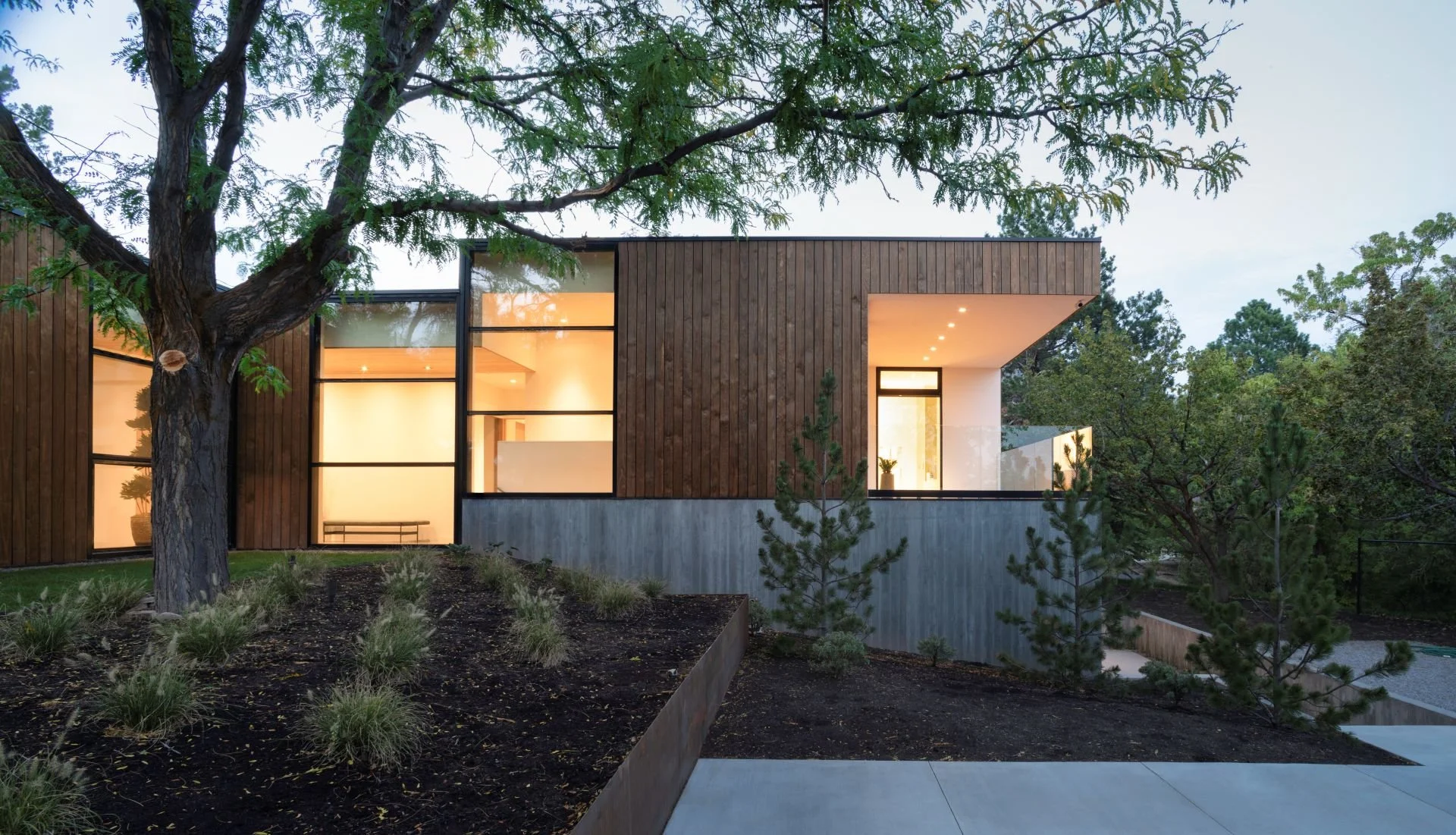
Located along the Wasatch Fault in a quiet suburban neighborhood in Salt Lake City, this home explores the relationship between the natural and the human-made. The home is sited on the east bench of the Wasatch mountain range near the University of Utah, and two prominent natural features immediately inspired the team as design opportunities.
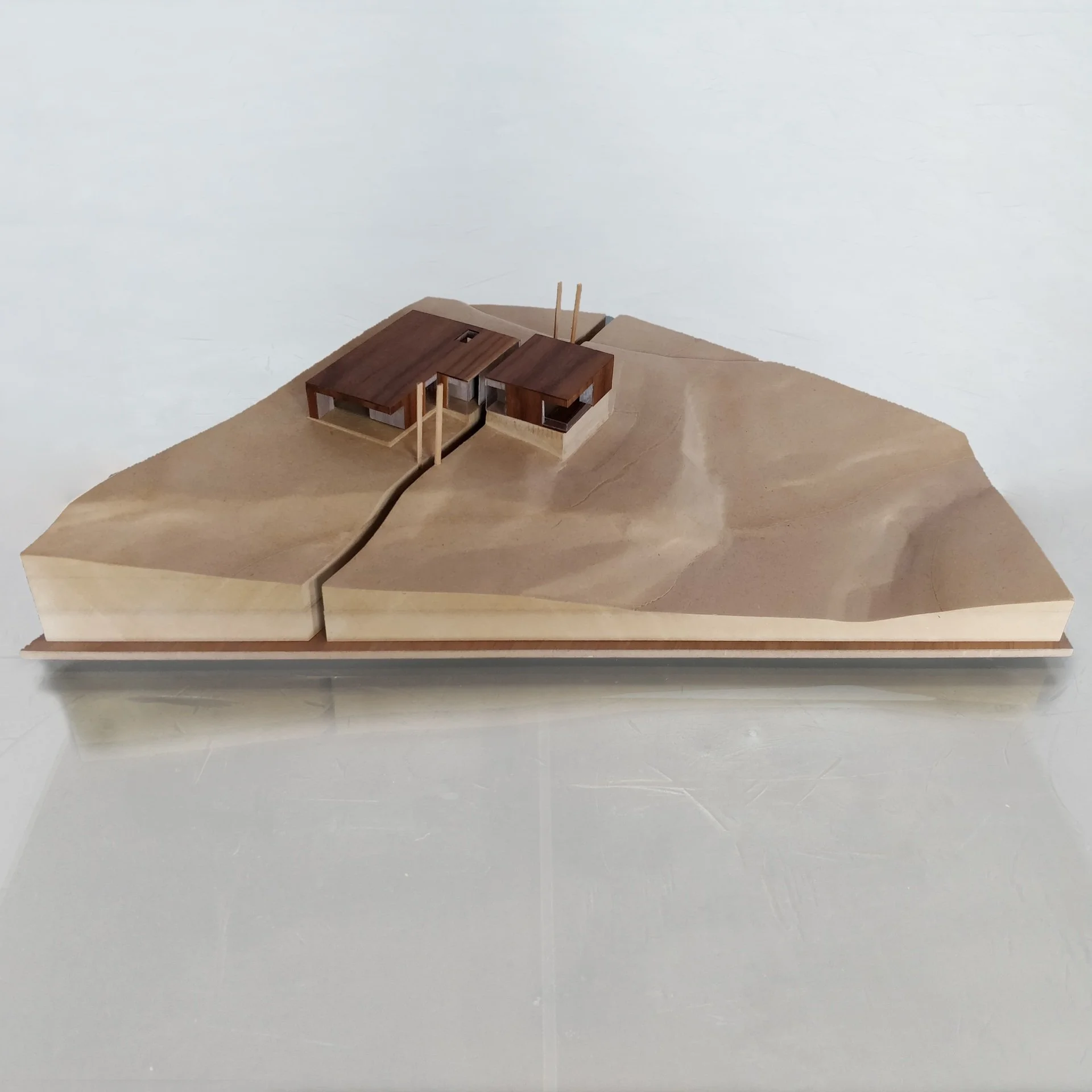
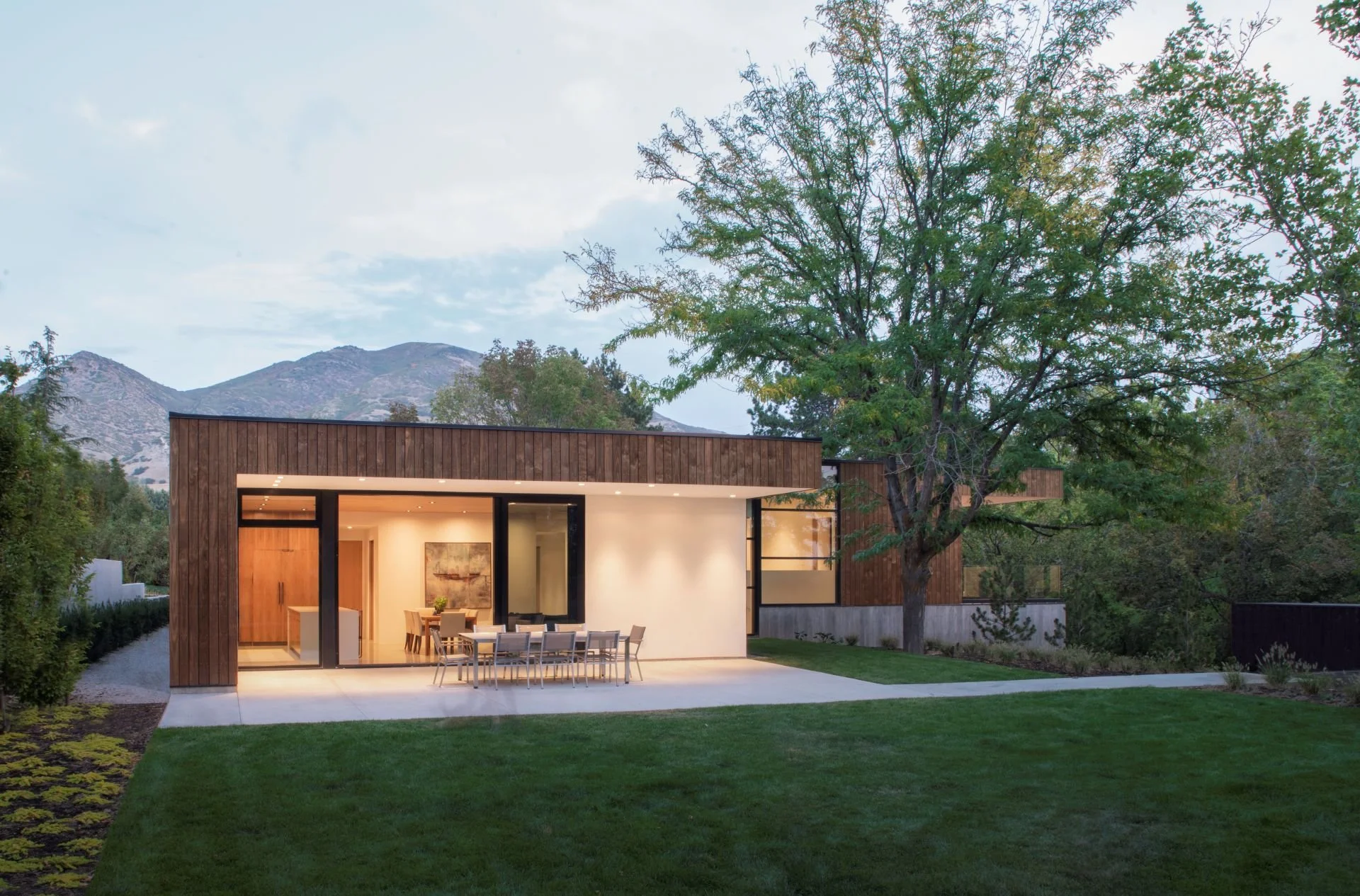
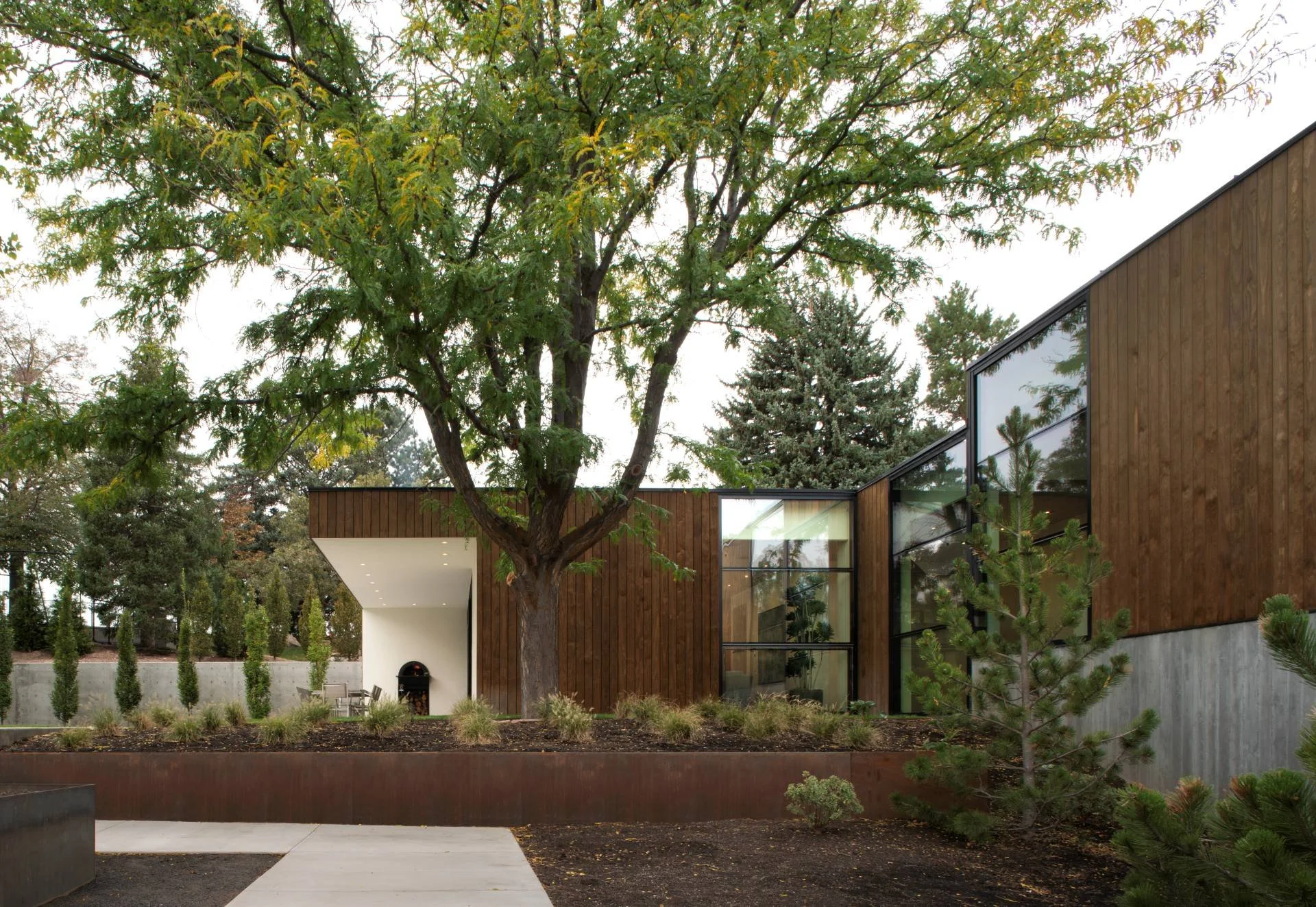
The first, Emigration Creek, is located directly to the east of the property ingratiating the site with the sound of running water throughout the year, and becoming stronger in the spring during run-off season. The organization of the home on the site was established to capture the sound and view of the creek through an “L” scheme configuration. The home opens up to the east to embrace an auditory connection with nature, and careful studies established the use of vertical and horizontal sun shading for maximum seasonal solar efficiency.
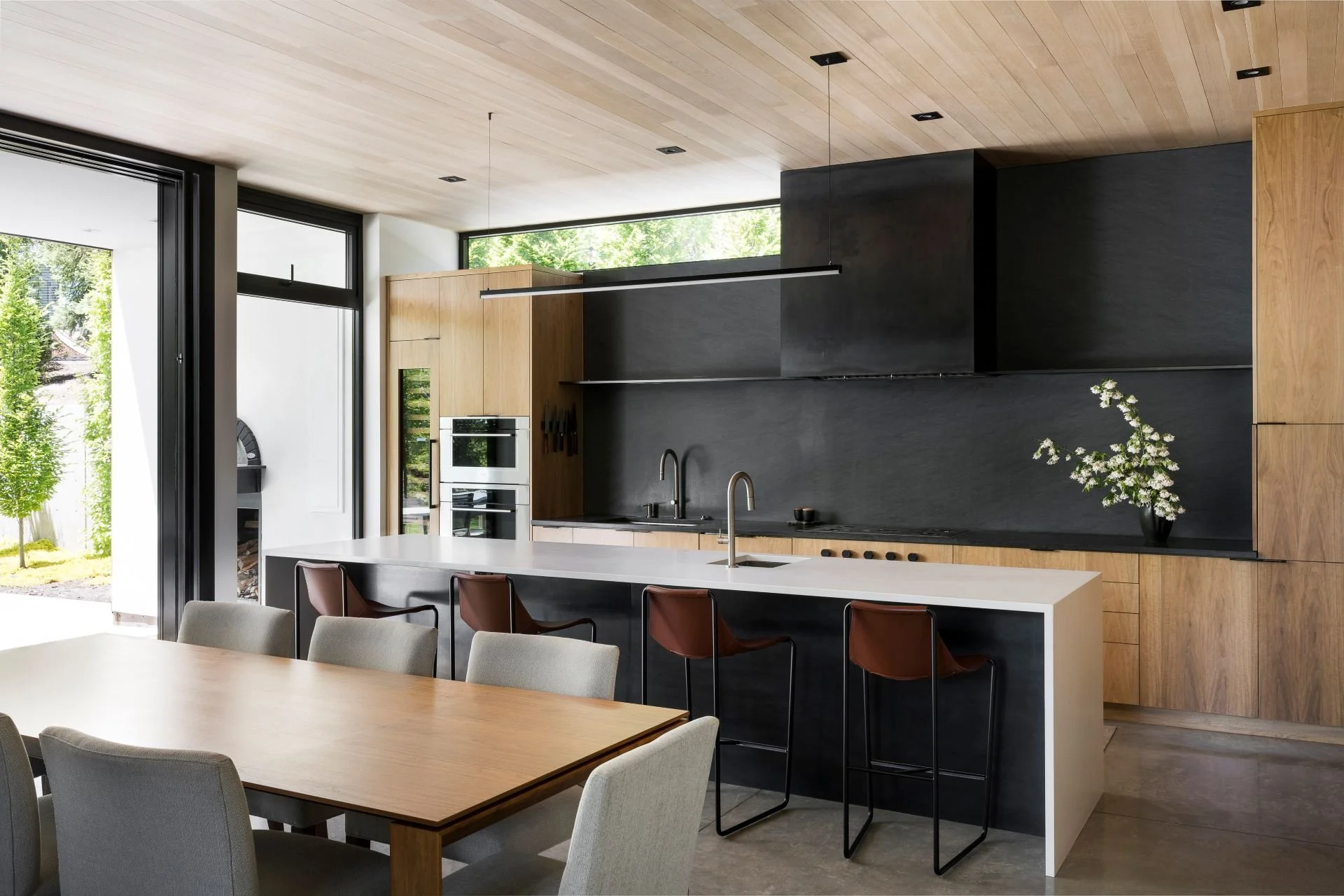
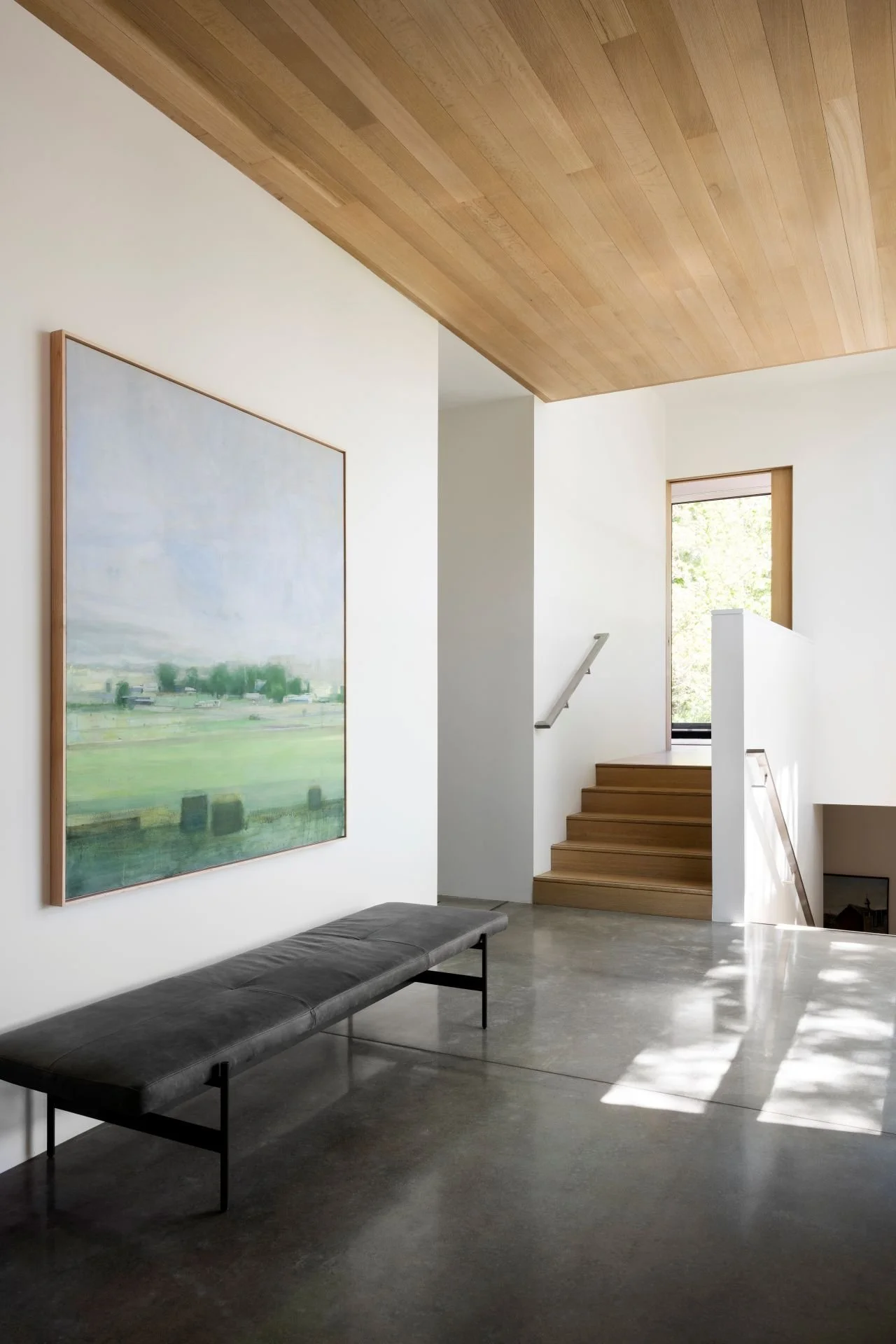
Additionally, the client had a keen interest in designing the home such that it would not only withstand, but also remain largely intact, should a seismic event ever take place. Careful analysis of the Wasatch Fault –the second natural feature to help shape the design of this home –revealed that the site is actually located very close to, or directly above, the fault line itself. A clear shift in the volume that delineates the public and private spaces along this axis was integrated into the home as an acknowledgment of this force of nature. The structural design of the home was elevated to the same category as a school or hospital so that it could function as a safe haven for this family. Further to being an embodiment of these forces of nature, the residence also serves as an evolving gallery for displaying a prominent art collection.
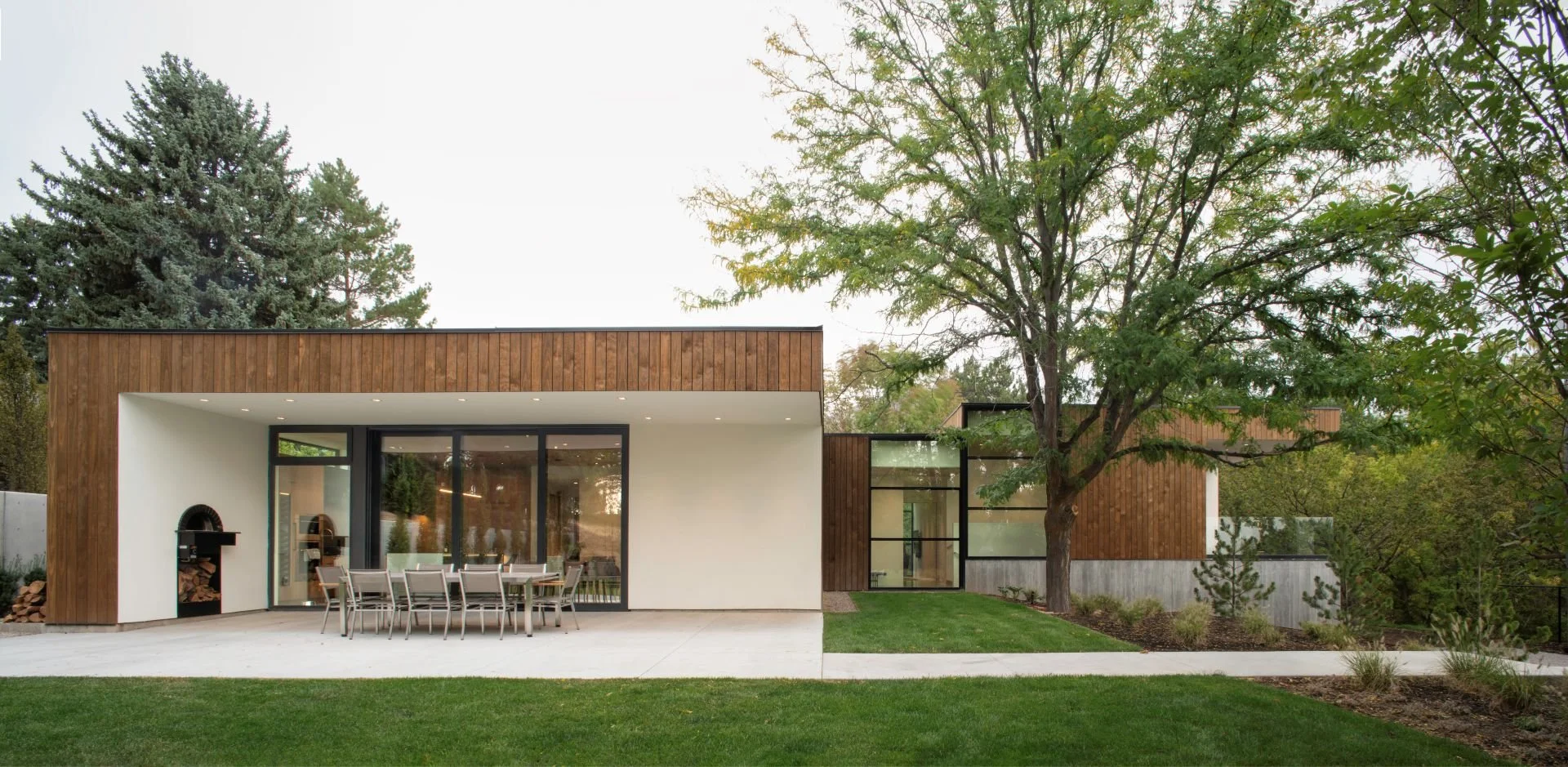
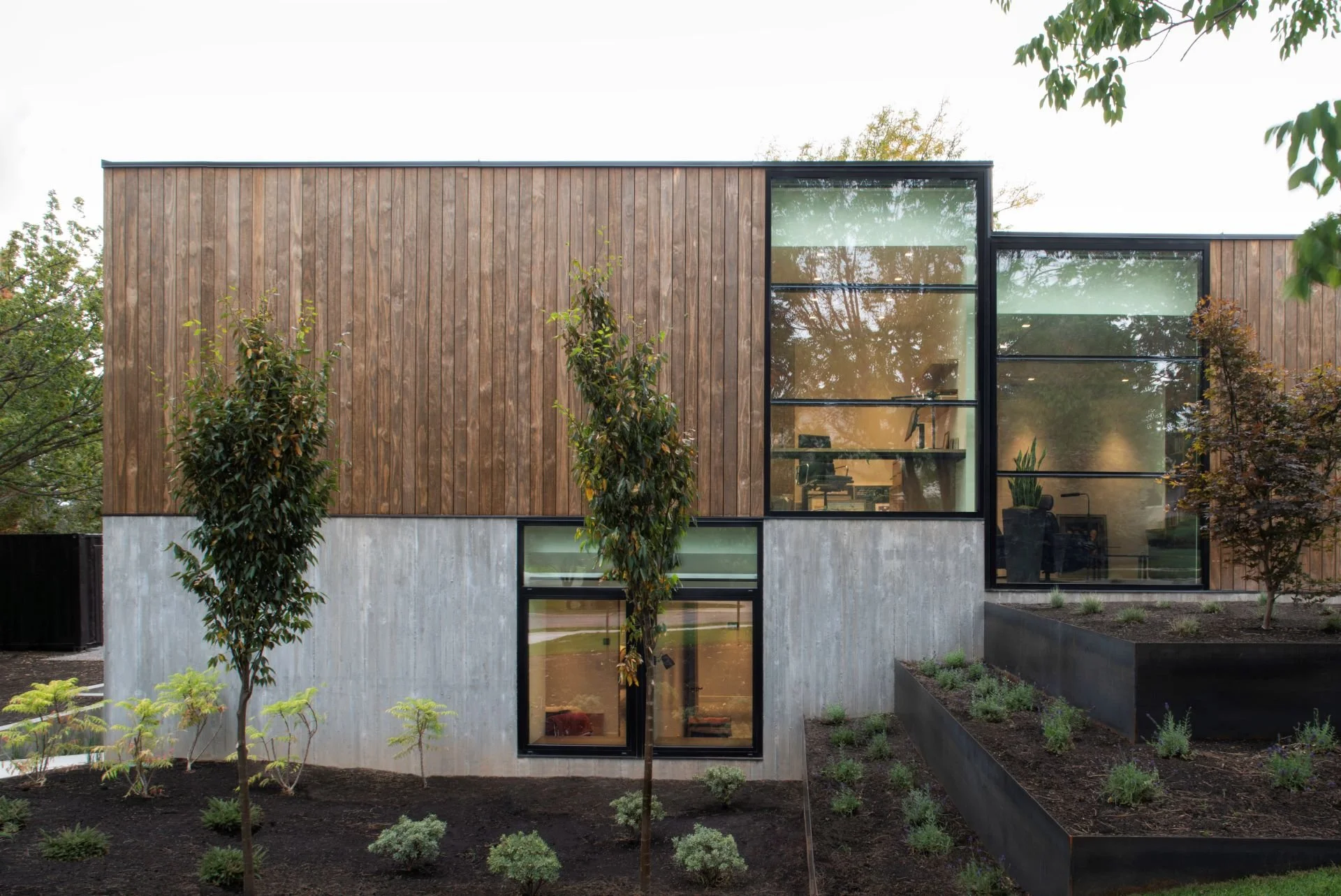
The exterior finishes incorporated on the Emigration Creek residence are comprised of two primary materials: open joint wood rainscreen siding and vertical board-form concrete. The wood rainscreen siding is an FSC-certified thermally-modified radiata pine. The vertical board-form concrete is utilized as the substantial base of the home and creates the connection to the ground plane of the site. The joints between the rough sawn cedar boards used for the concrete form work were carefully established to match the open joint dimension of the wood siding above.
Our team of Salt Lake City architects integrated principles of Design for Integration, Economy and Wellbeing into this home, which was designed with flexibility as a key project driver. The design is adaptable for the family with a lower level that can be separated from the main level to accommodate a future rental property and supplementary income, or to serve as a caregiver’s residence. The lower level incorporates a small kitchen as part of the indoor-outdoor family room to assist with this flexibility and adaptability in the future. This unit is also ADA-accessible to accommodate a wider range of inhabitants in the future, and to consider how the current owners’ abilities might shift with age.
Sustainable design goals were part of the planning, site development, program placement, material selection and evaluation and selection of building systems. Climate-specific passive strategies were implemented at the conceptual design, schematic design and site-planning, design development, construction documents and construction phases of the project.
The project involved an innovative process of deconstructive demolition of an existing structure. This process was a way to reuse and recycle the materials on the site to divert these items from the landfill. An existing house on the site had stone cladding that was reused in the landscape, and 100% of the high-quality framing from that home was used in the framing of this new home. The remaining materials that were not used in construction, and which were part of the deconstructive demolition process, were sorted and recycled for future use in other construction projects.