DESIGN APPROACH
For SPARANO + MOONEY ARCHITECTURE, design excellence is at the heart of our architectural practice. The office is focused on delivering thoughtful, innovative and contemporary design solutions to accommodate a client’s visionary, functional and budgetary requirements. Our state-of-the-art design practice balances leading-edge technologies with timeless, sustainable design practices inspired by nature.
With each project, a set of core values and design objectives is developed, against which the project team judges the success of the work. The architectural design process is divided into four distinct phases: research and discovery; problem definition; solution development; and project delivery.
-
The start of a project begins with an in-depth discovery phase in which user needs are identified and research is conducted. We encourage the project team to brainstorm and be open to a broad range of ideas and influences, from a variety of sources. This process leads to an initial idea or inspiration for the project, typically distilled from the client’s mission, program or site.
-
The initial phase is followed by the definition stage, in which interpretation and alignment of a client’s needs are defined by an architectural scope of services. Key activities during this stage are program development, site planning and conceptual building design strategies.
-
The next phase marks a period of architectural development where design solutions are iterated and tested. Typically, this multi-disciplinary effort engages the participation of the engineering and construction team.
-
The final steps in the design process are in the project delivery phase, during which the architecture is constructed and occupied. The architects follow a rigorous construction administration process to ensure key activities and objectives are met during this critical phase, including a post-occupancy evaluation. The firm has developed and tested internally this sophisticated process for seeking and delivering architecture, and the process is managed for consistently-successful results for its clients. The focus on user-experience influences both the architecture and the delivery process, and ensures that our clients have a positive experience in developing and occupying their projects.

CONCEPTUAL CONSTRUCTS
The work of SPARANO + MOONEY ARCHITECTURE emerges from an attentive reading of the varied and interrelated forces shaping a project. We begin with a rigorous exploration of the cultural, spatial, environmental and contextual conditions unique to each commission, drawn from the client, the program and the specificities of site. This research is distilled into a conceptual framework that guides the architecture, establishing an internal order rooted in meaning rather than convention or pre-conception. Our process offers a way of forging deeper and more resonant relationships between contemporary architecture and an elevated human experience.
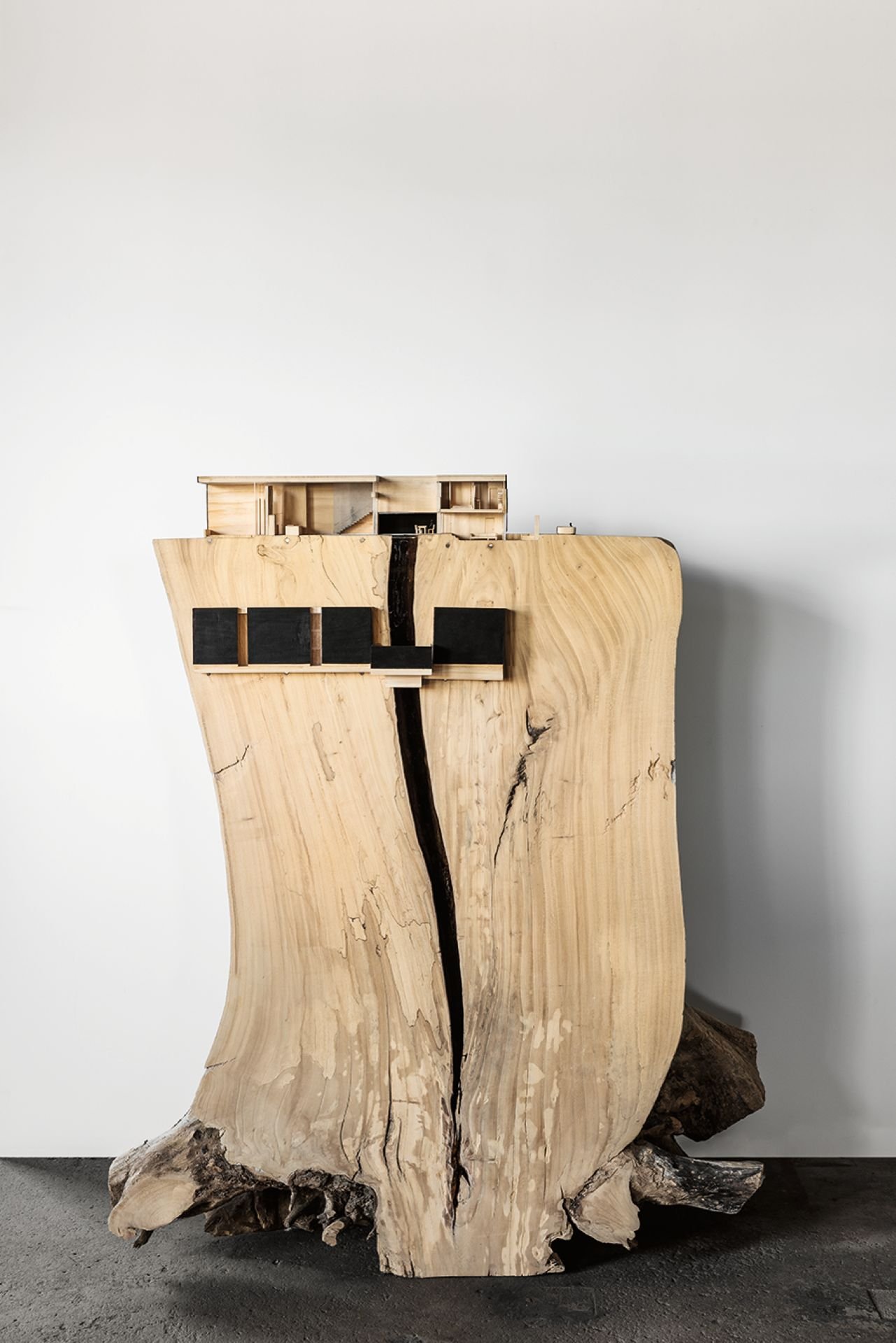
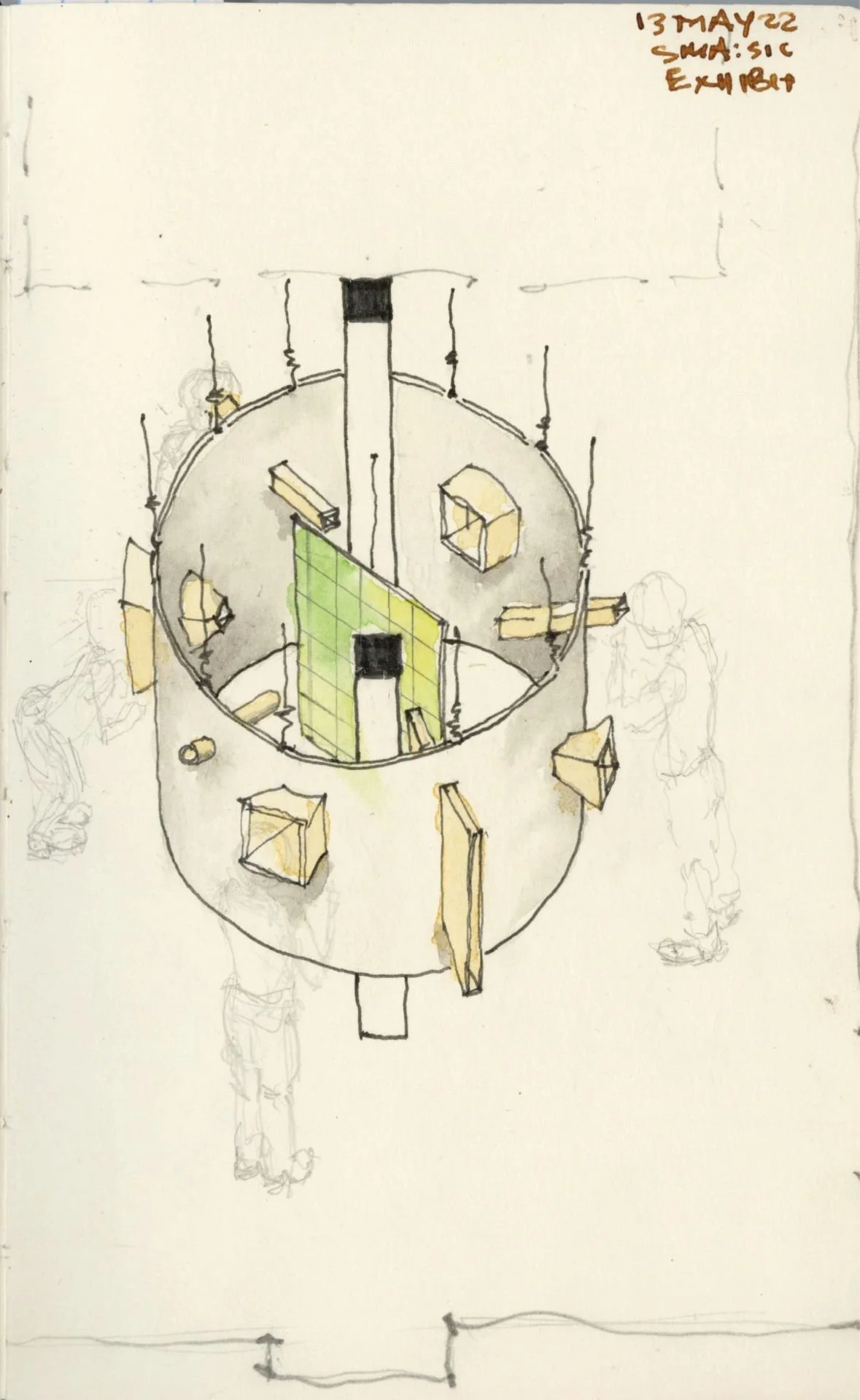
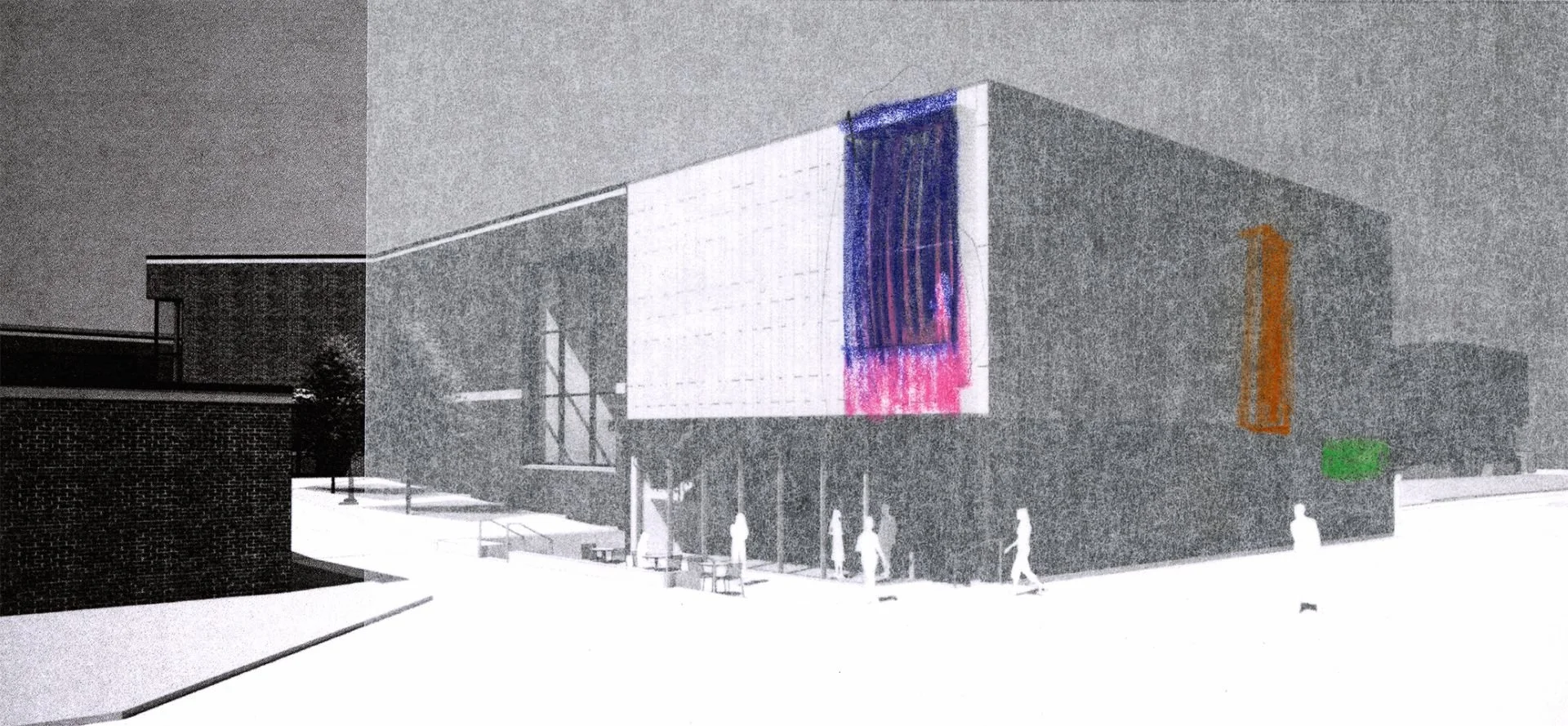
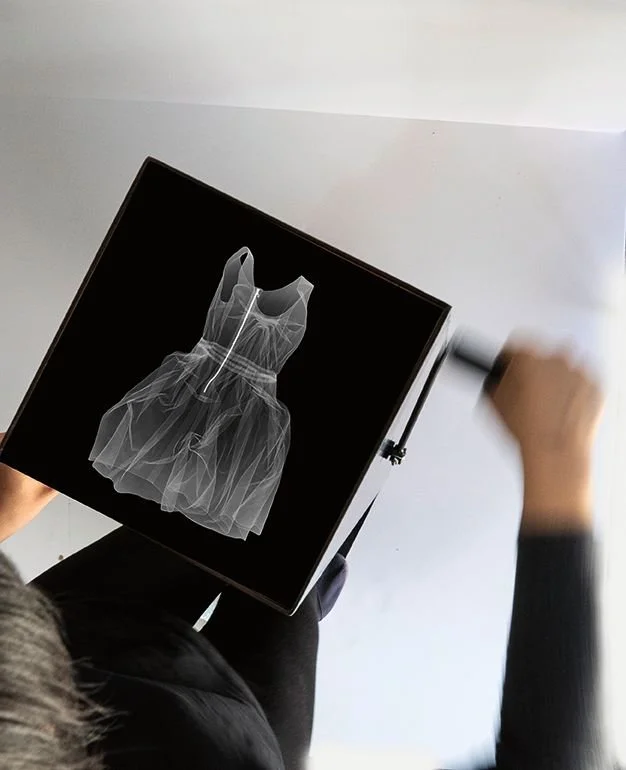
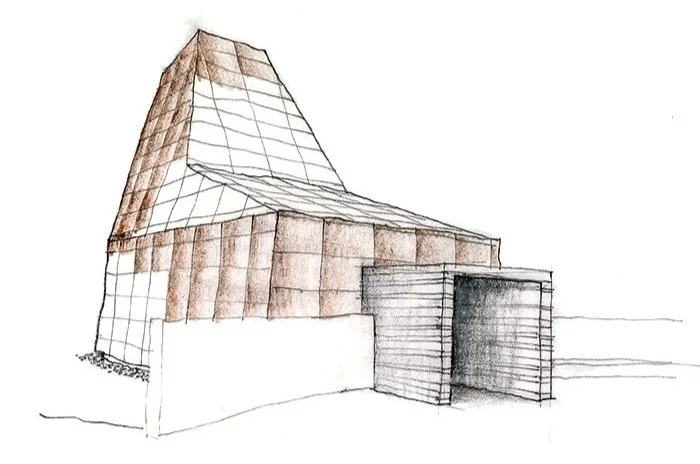
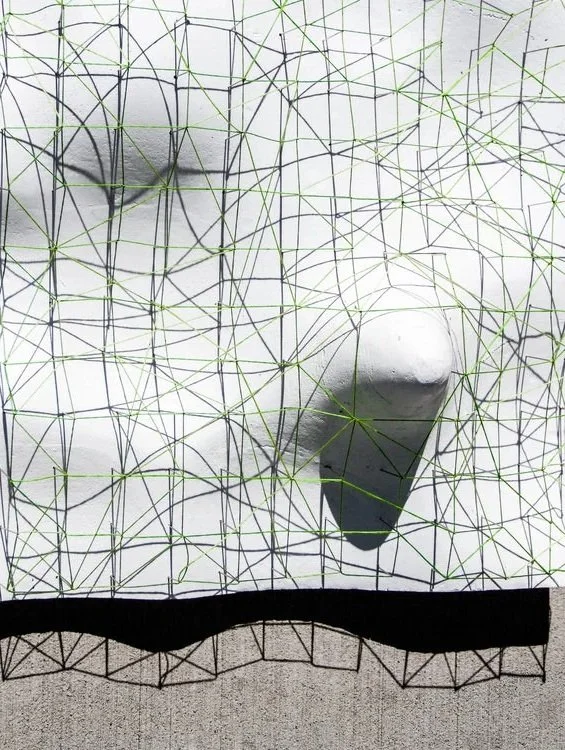
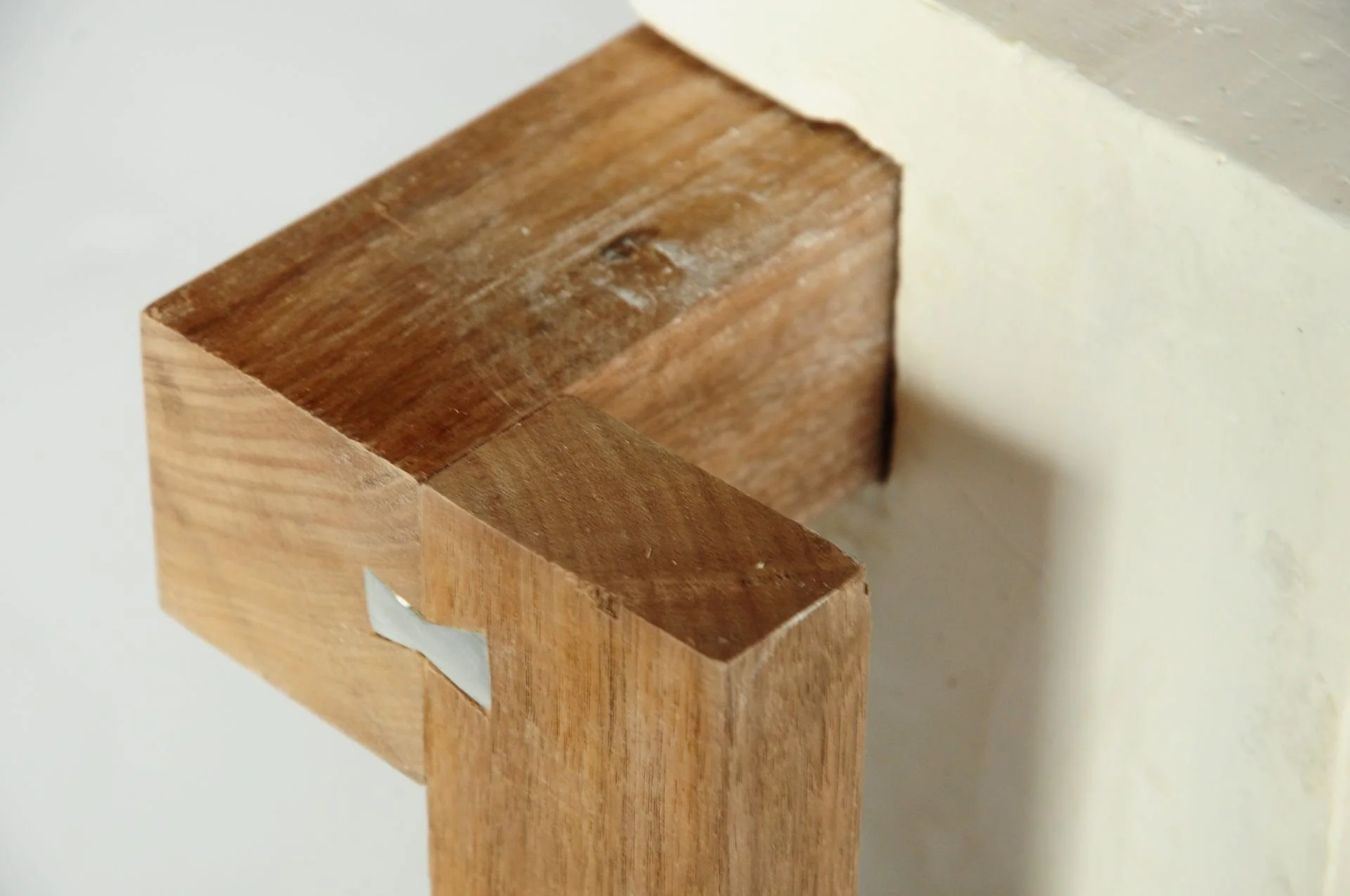
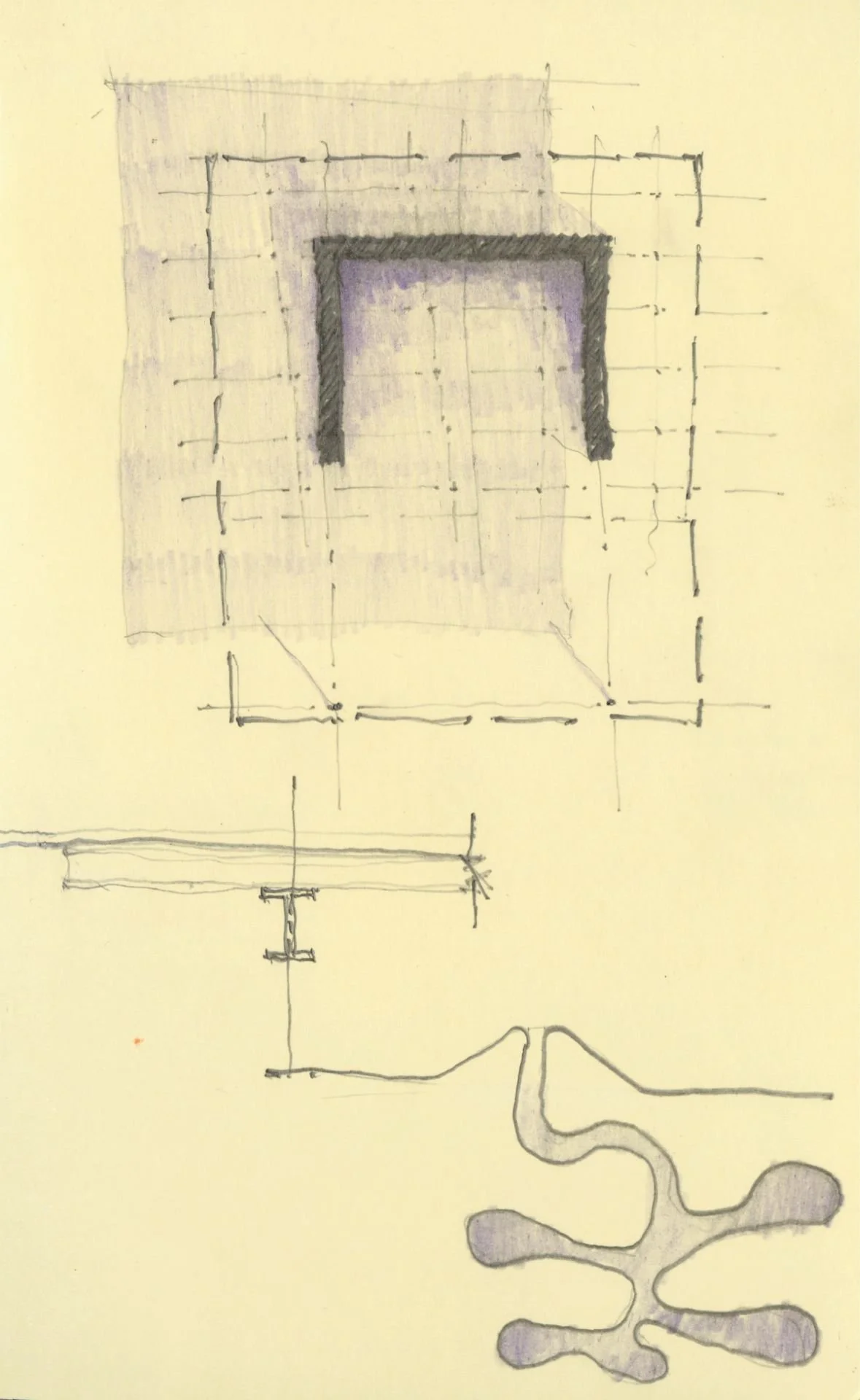
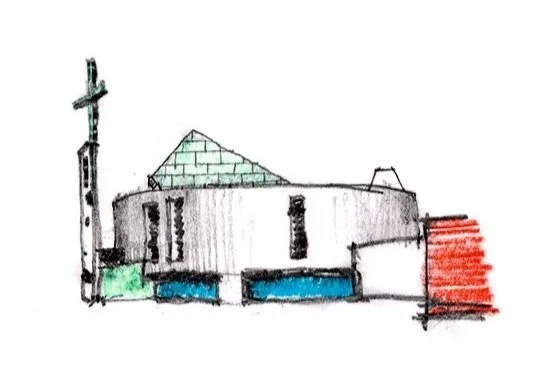
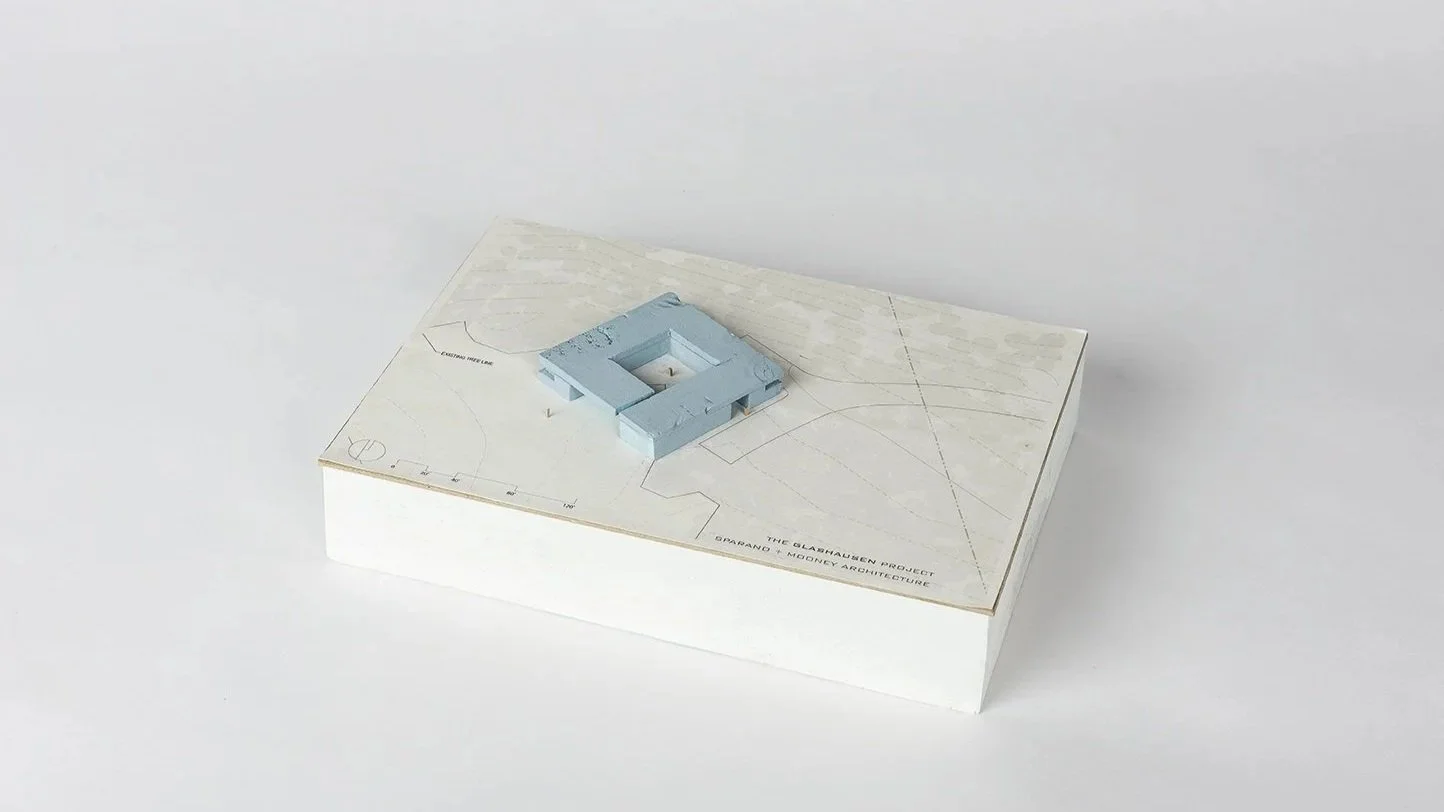
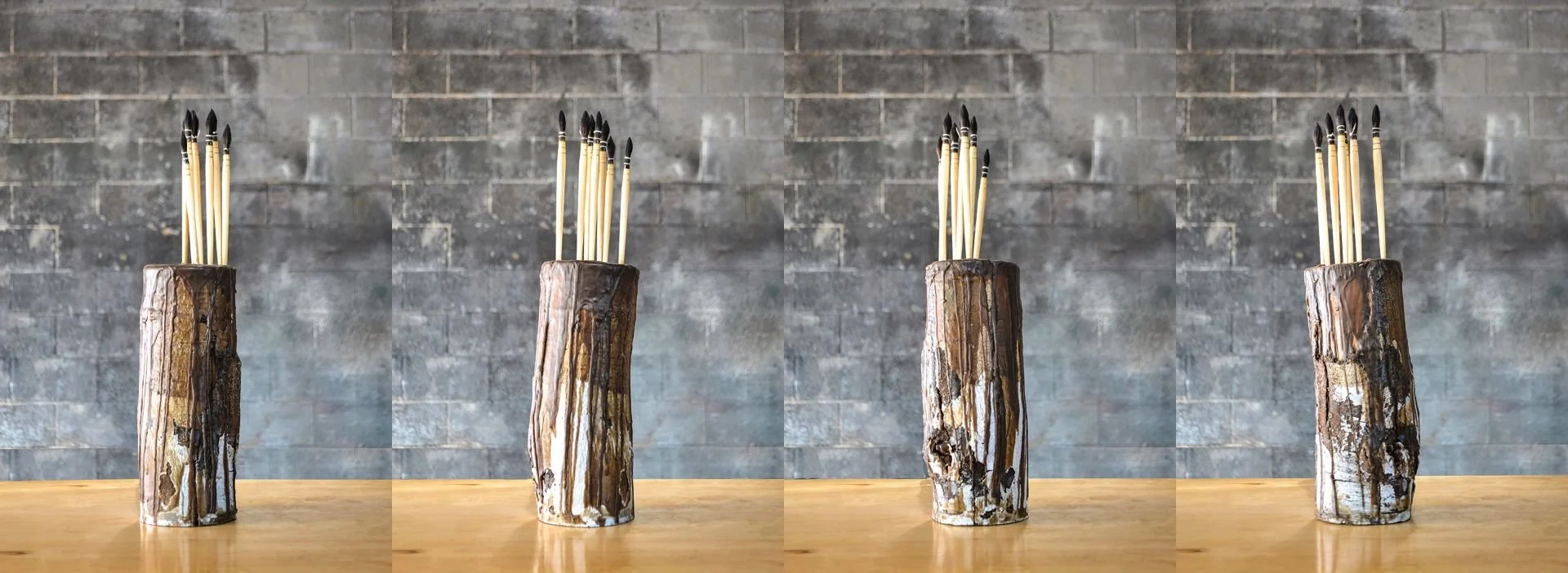
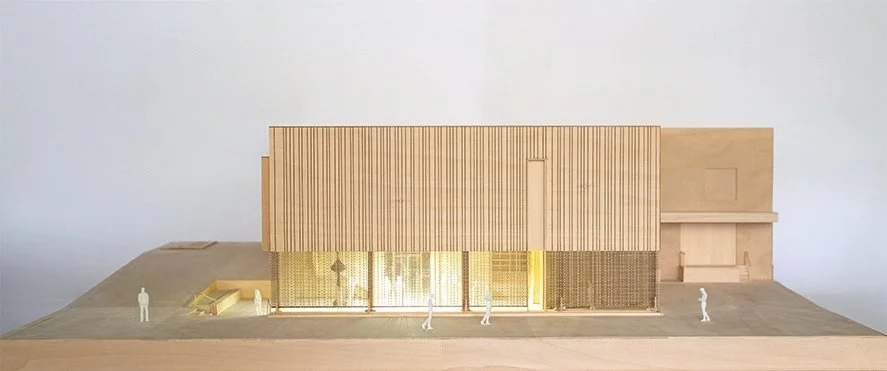
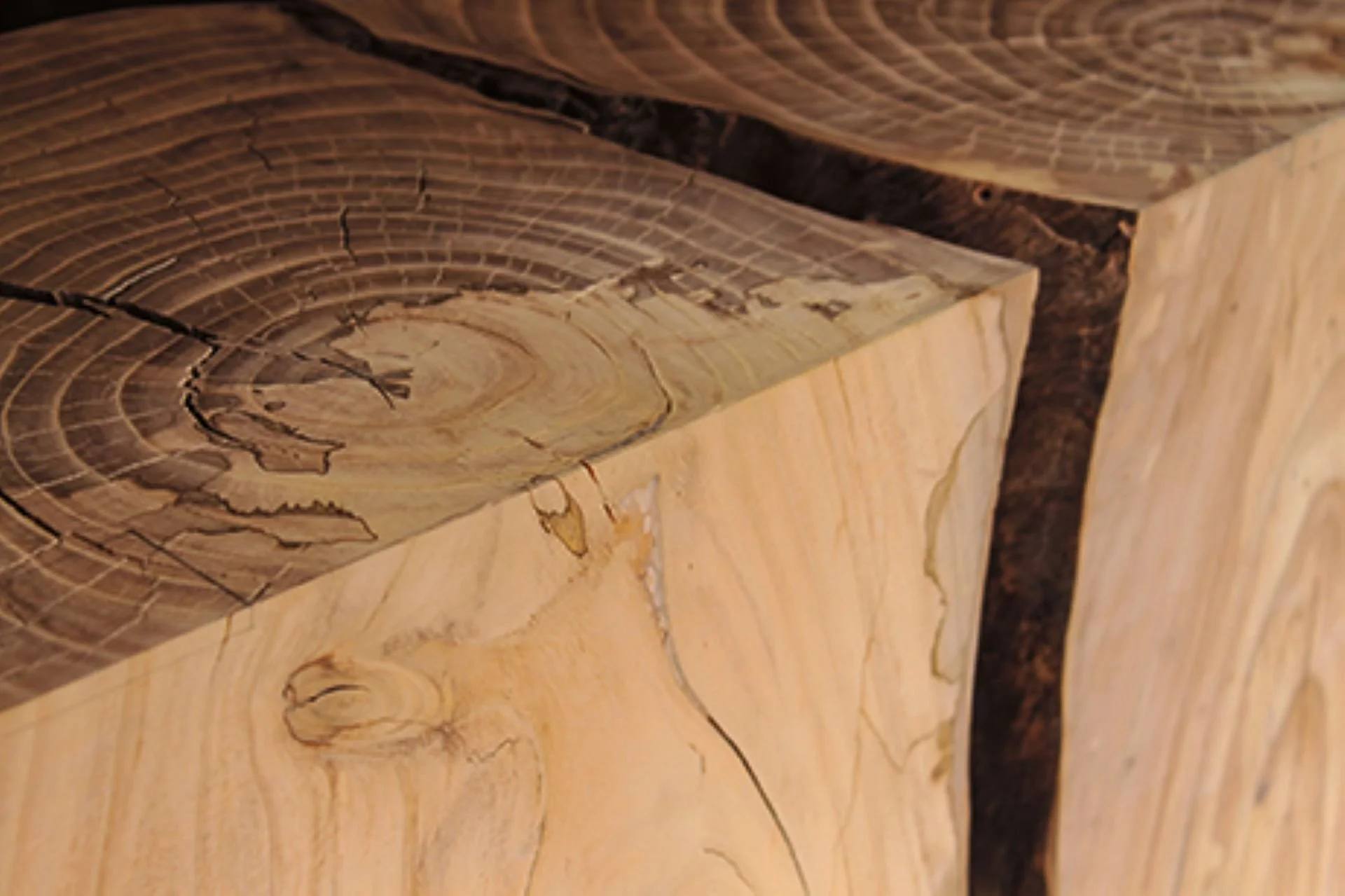
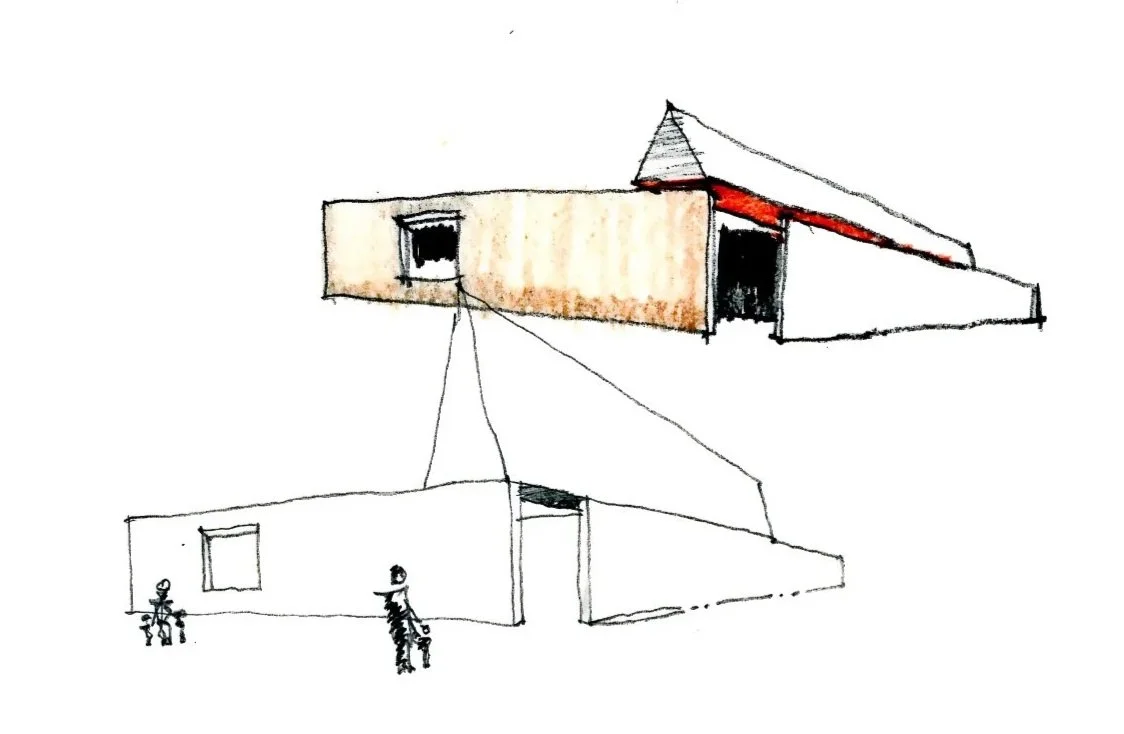
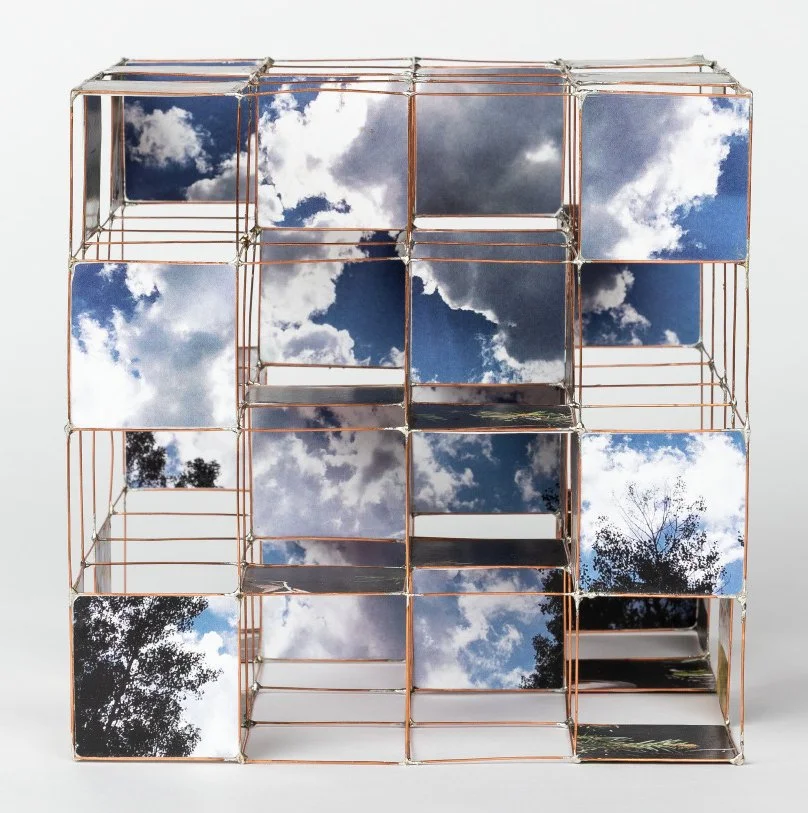
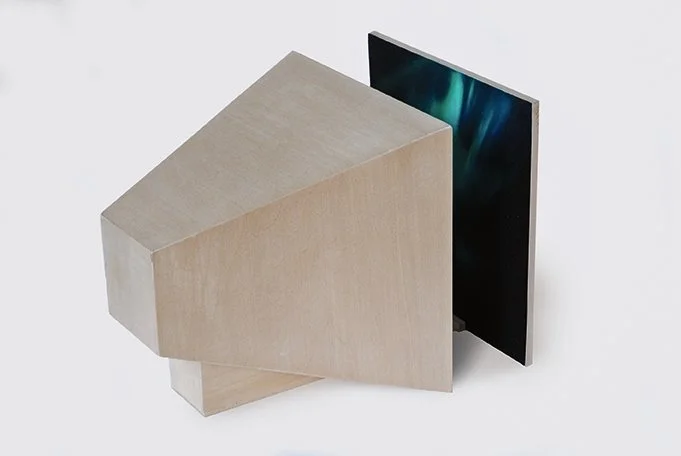
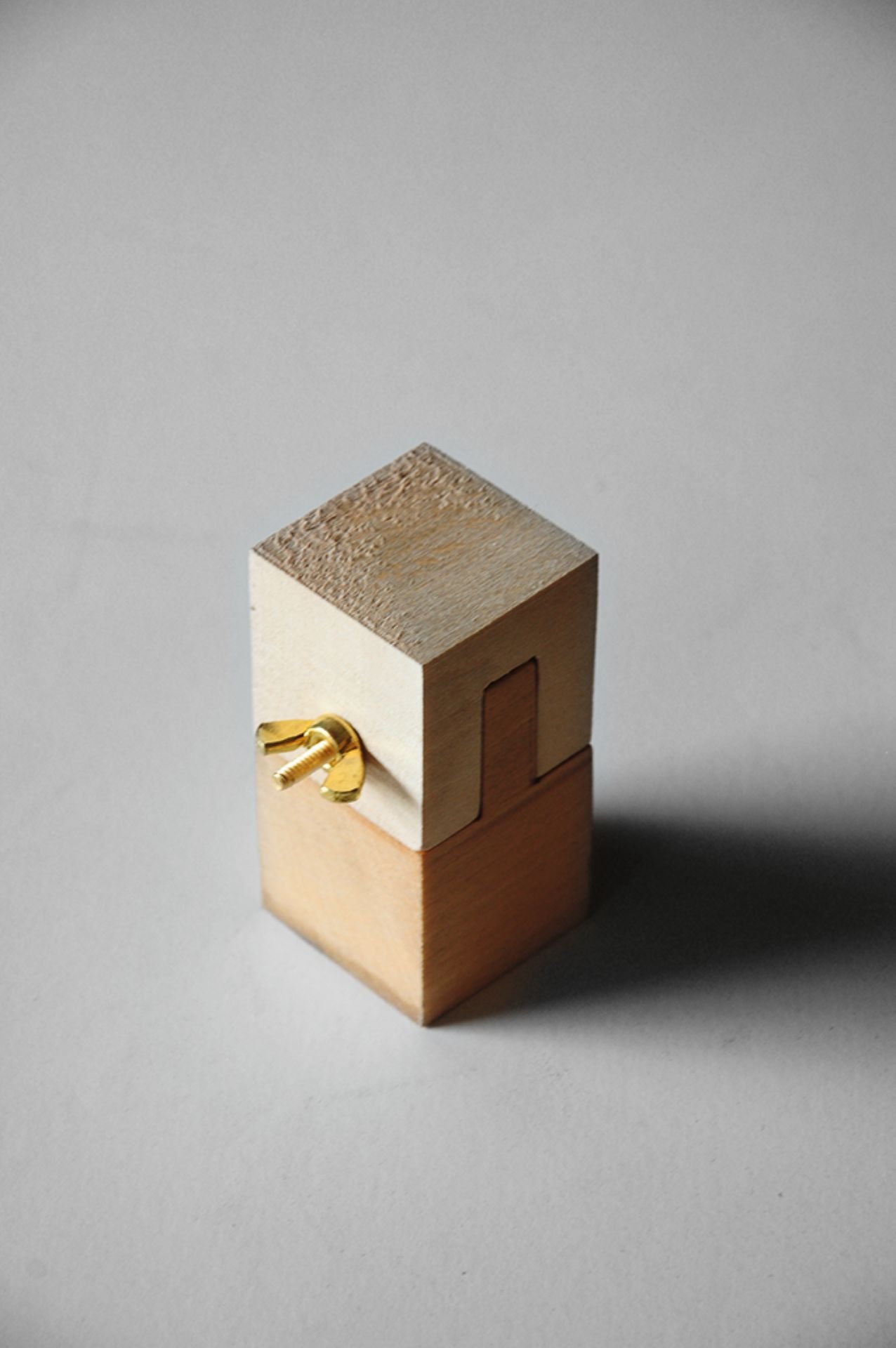
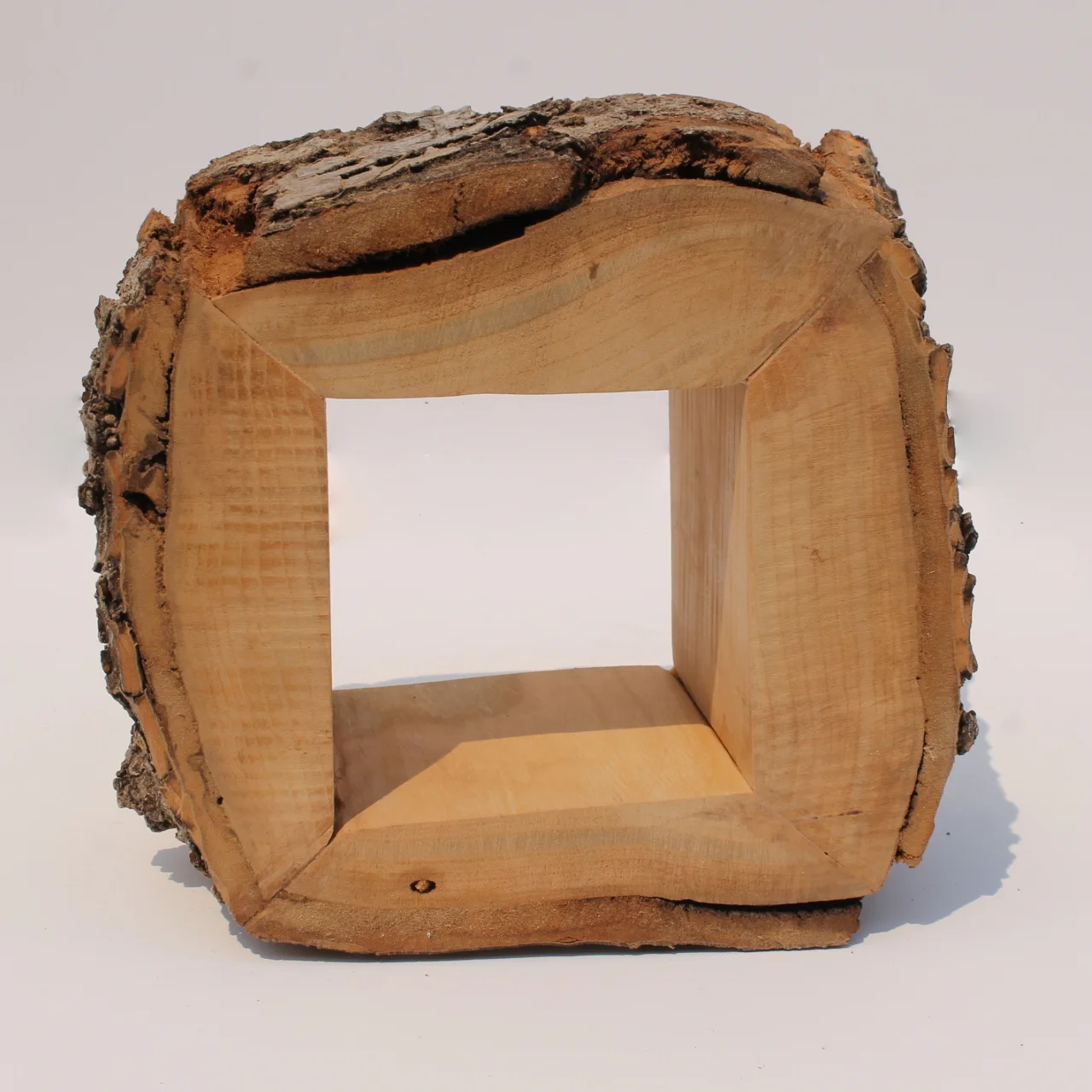
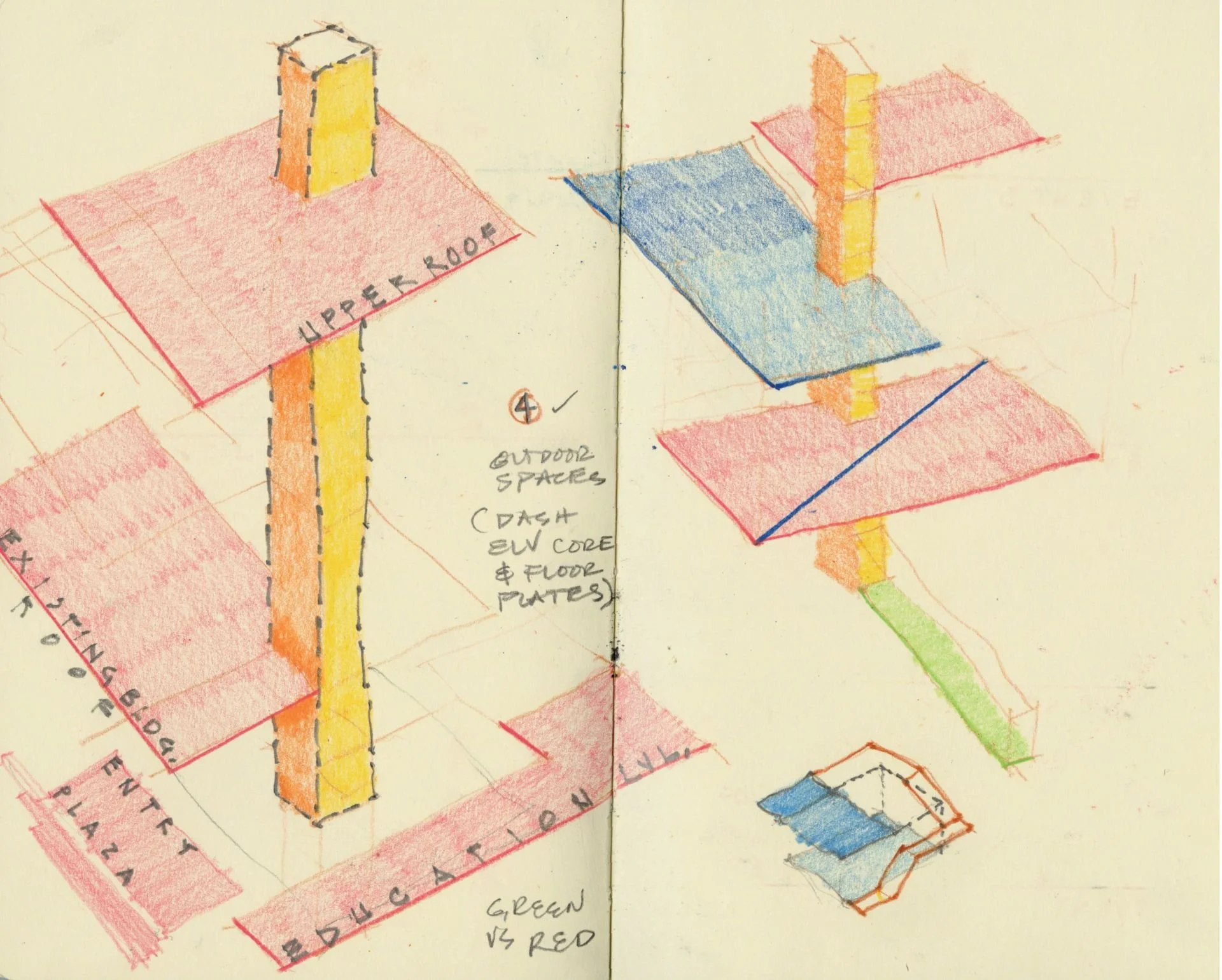
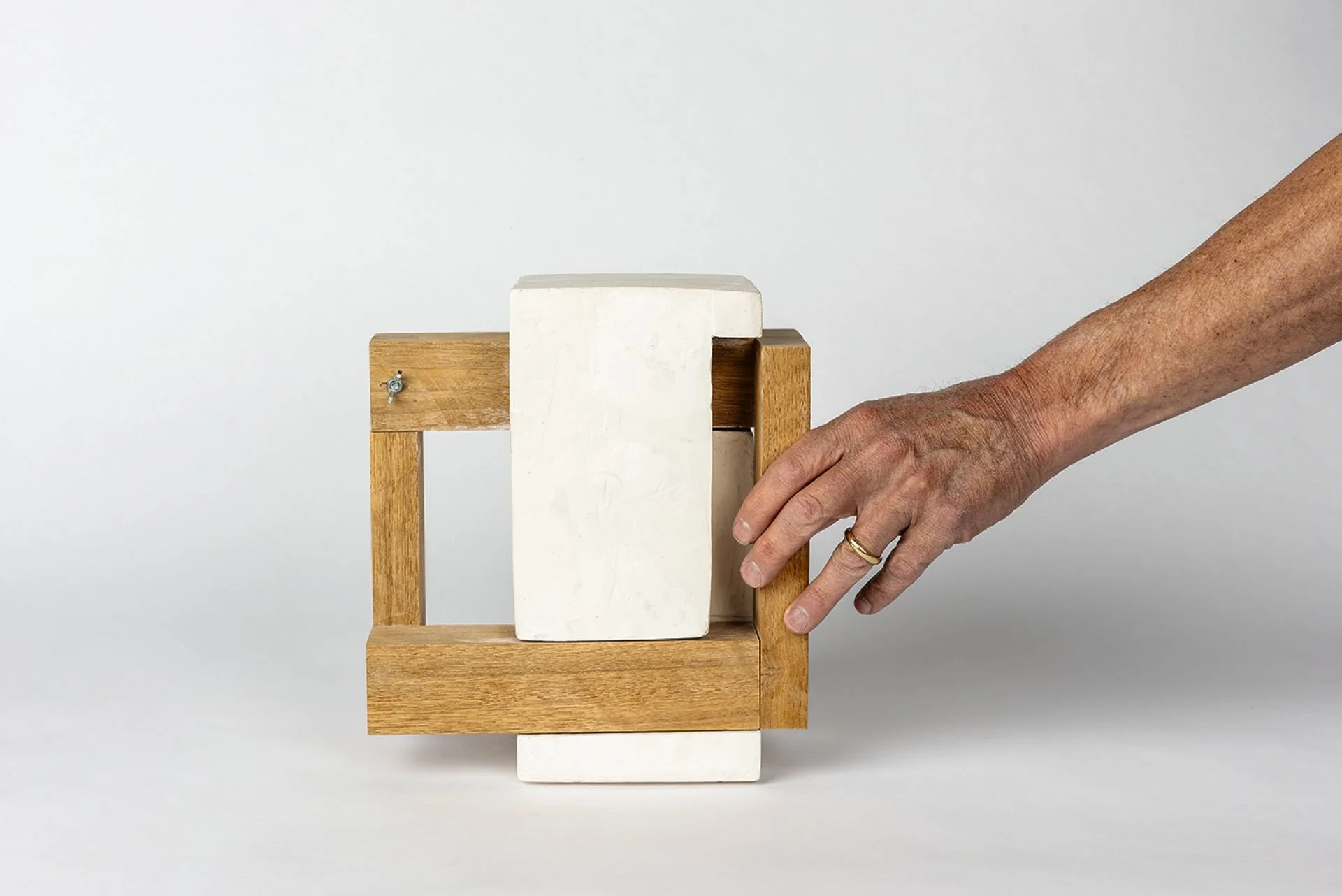
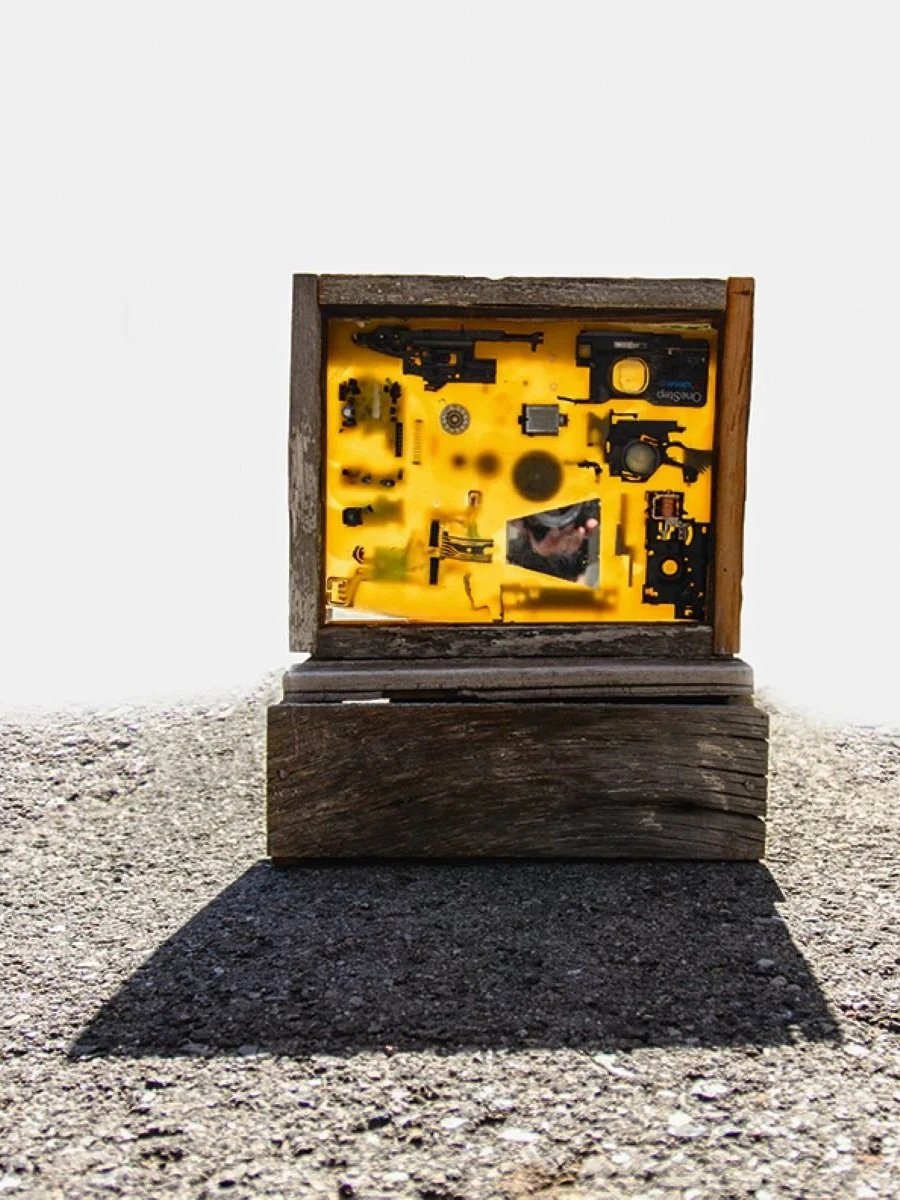
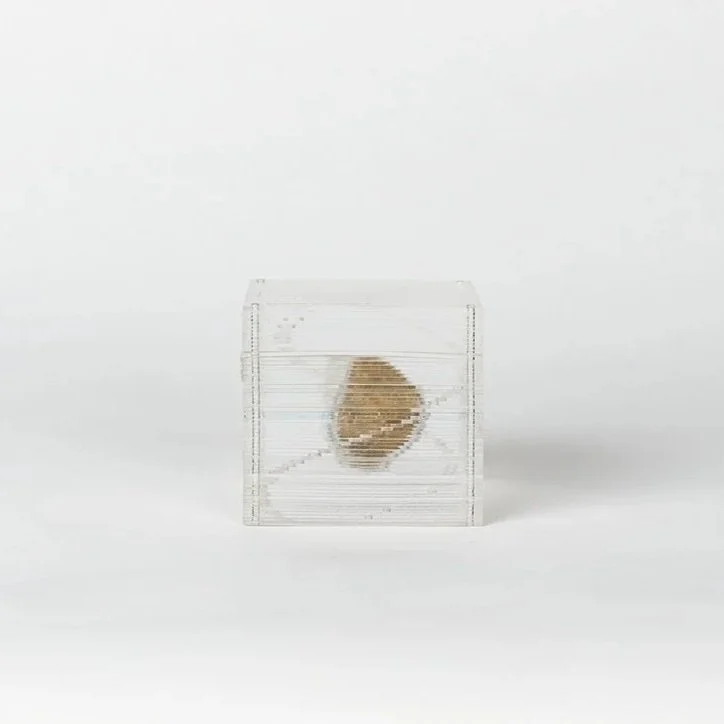
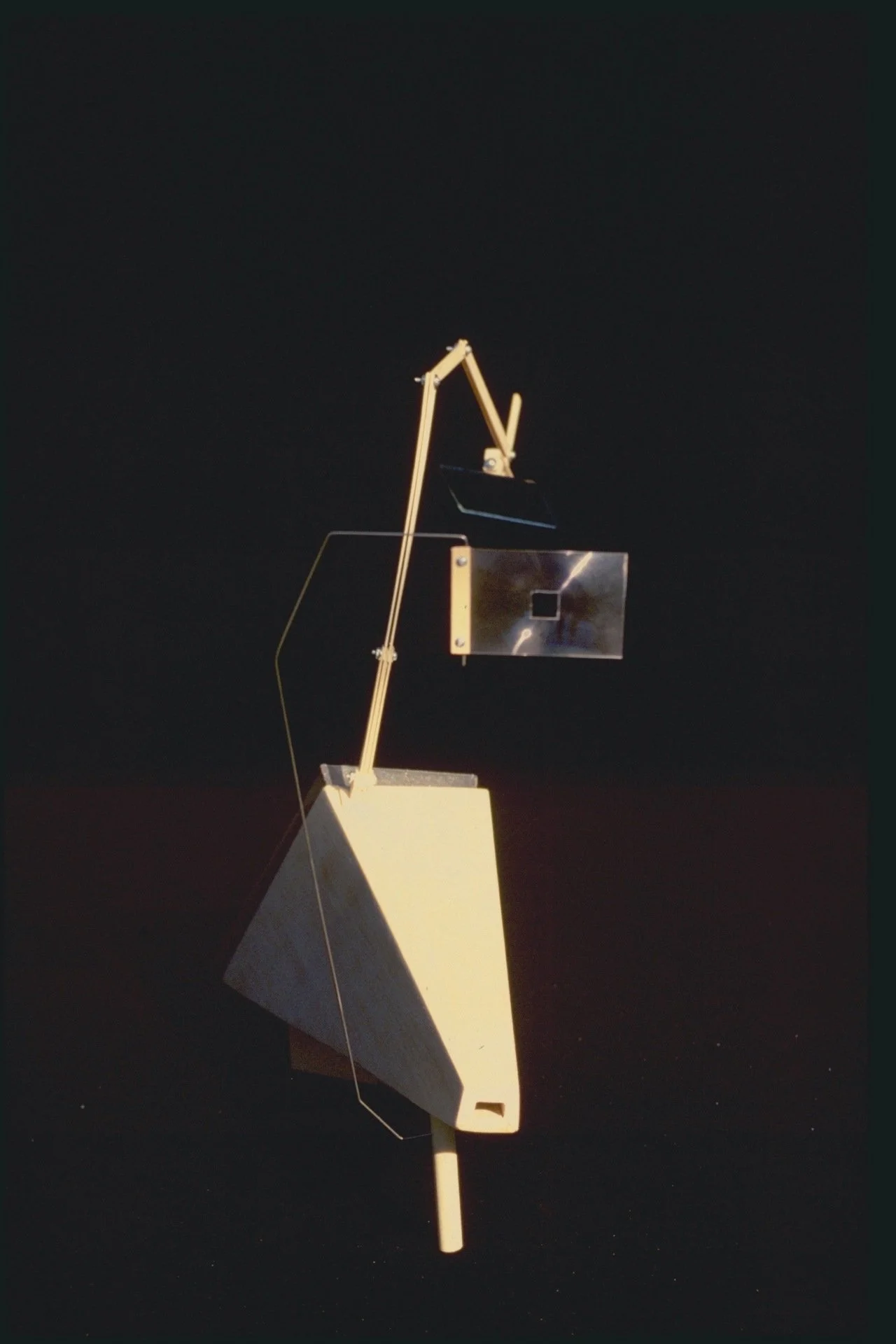
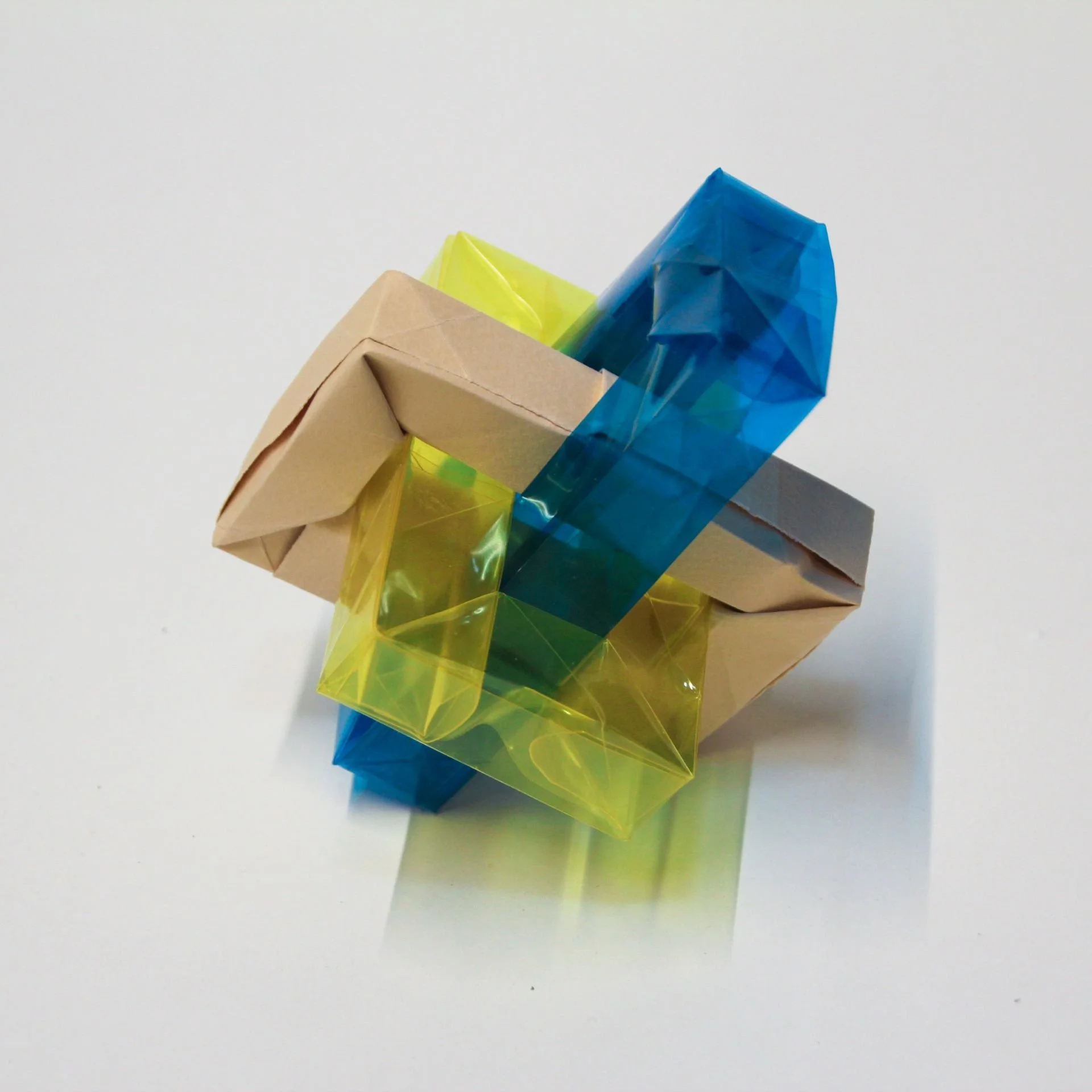
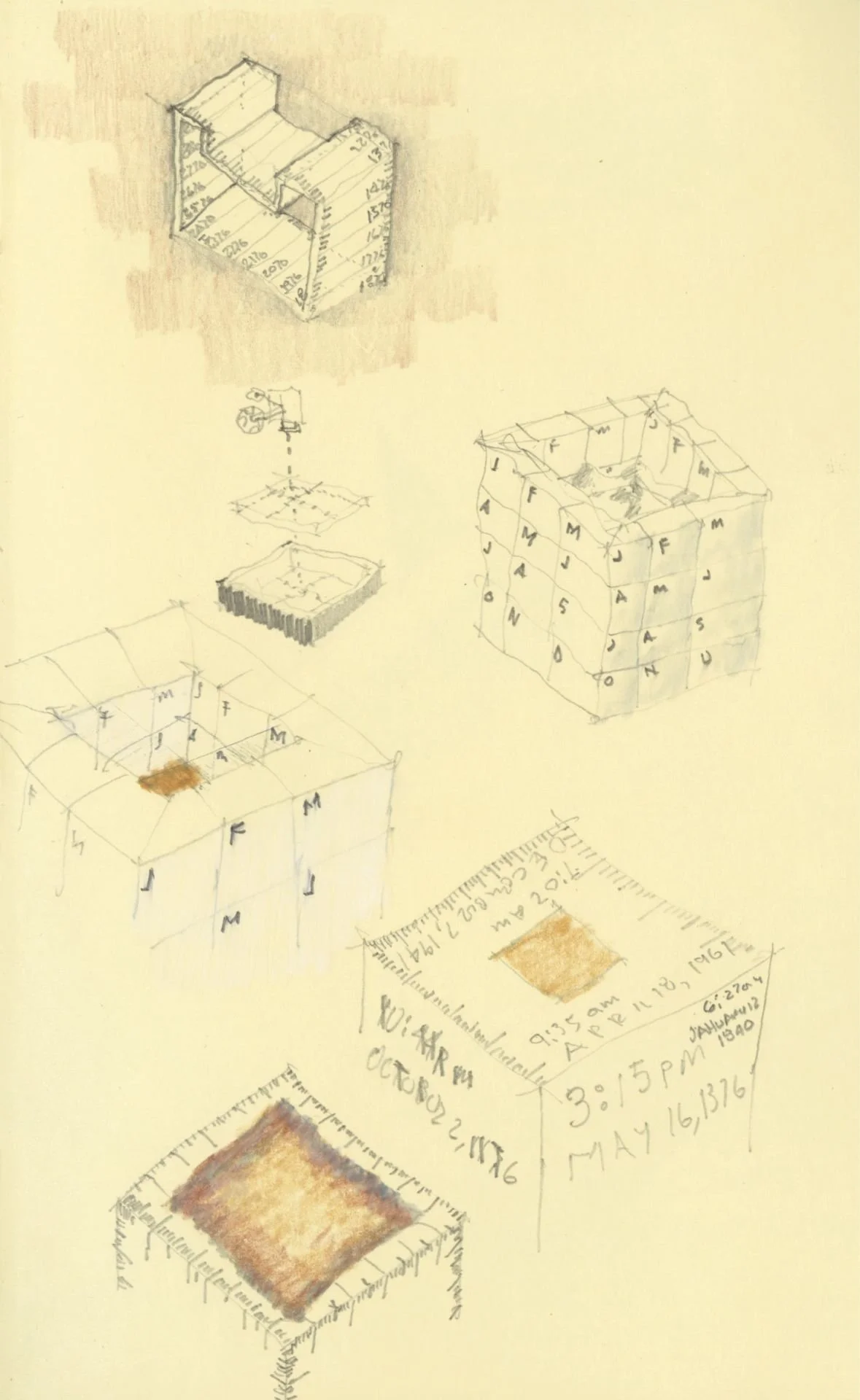
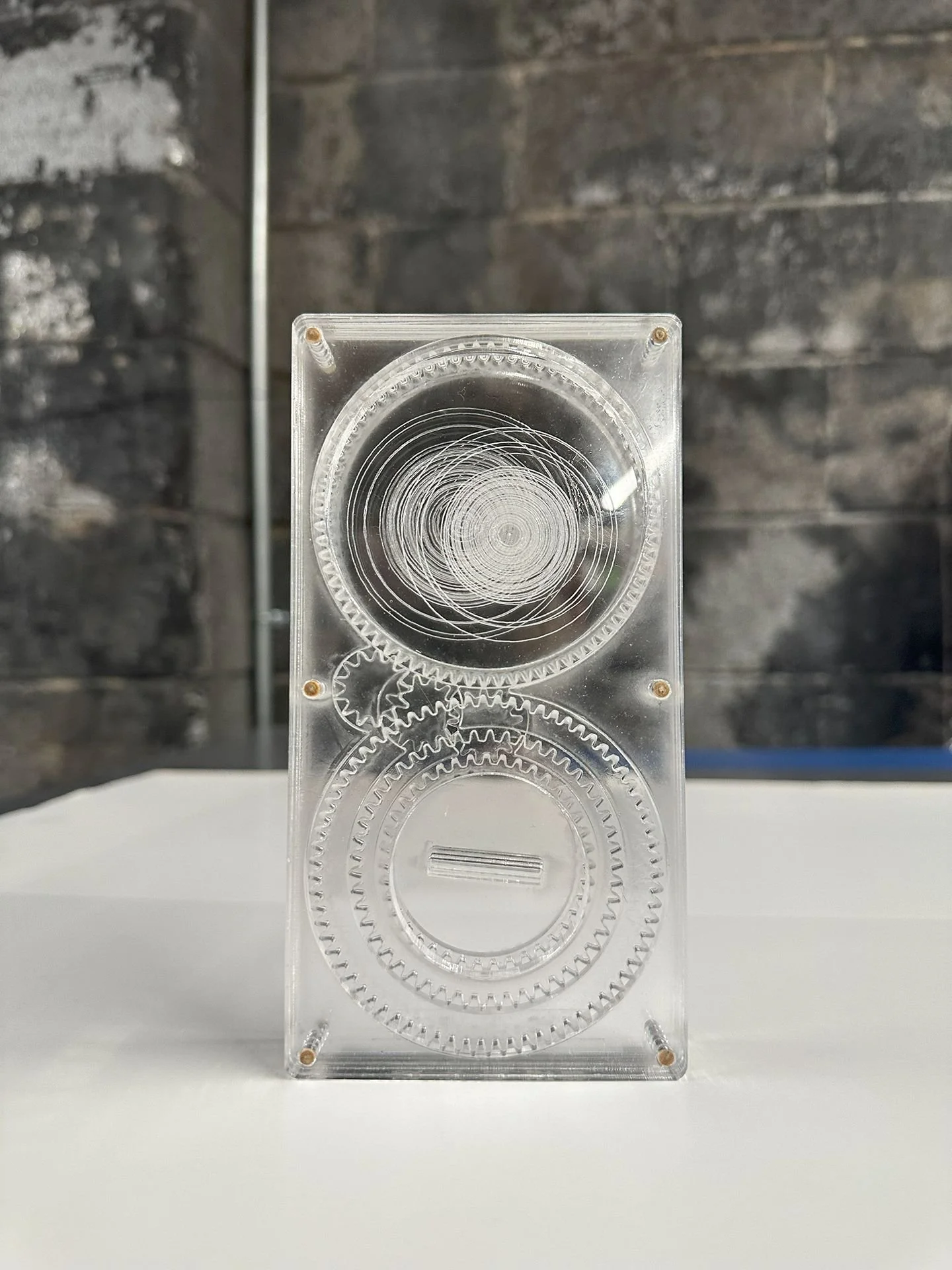
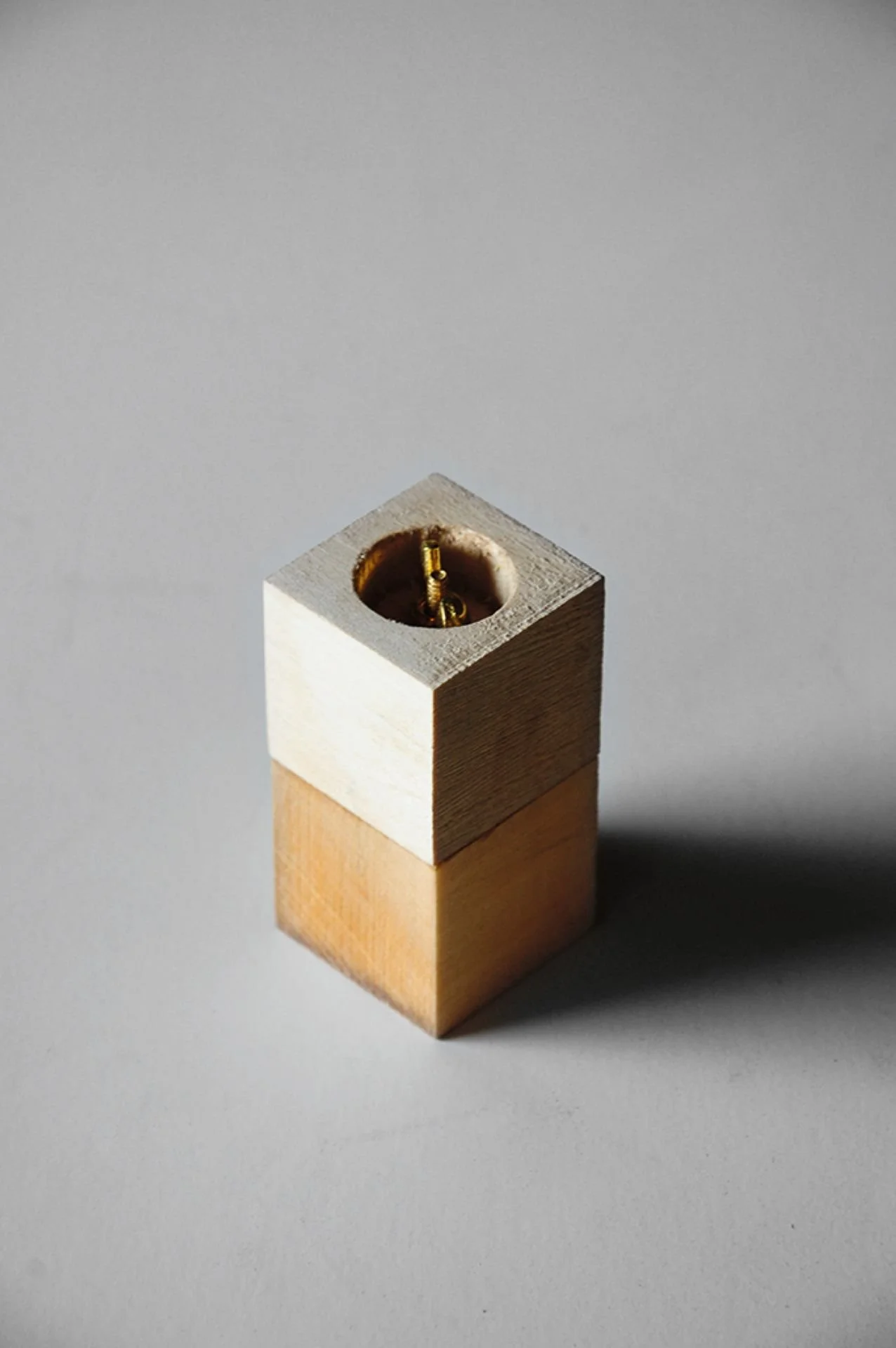
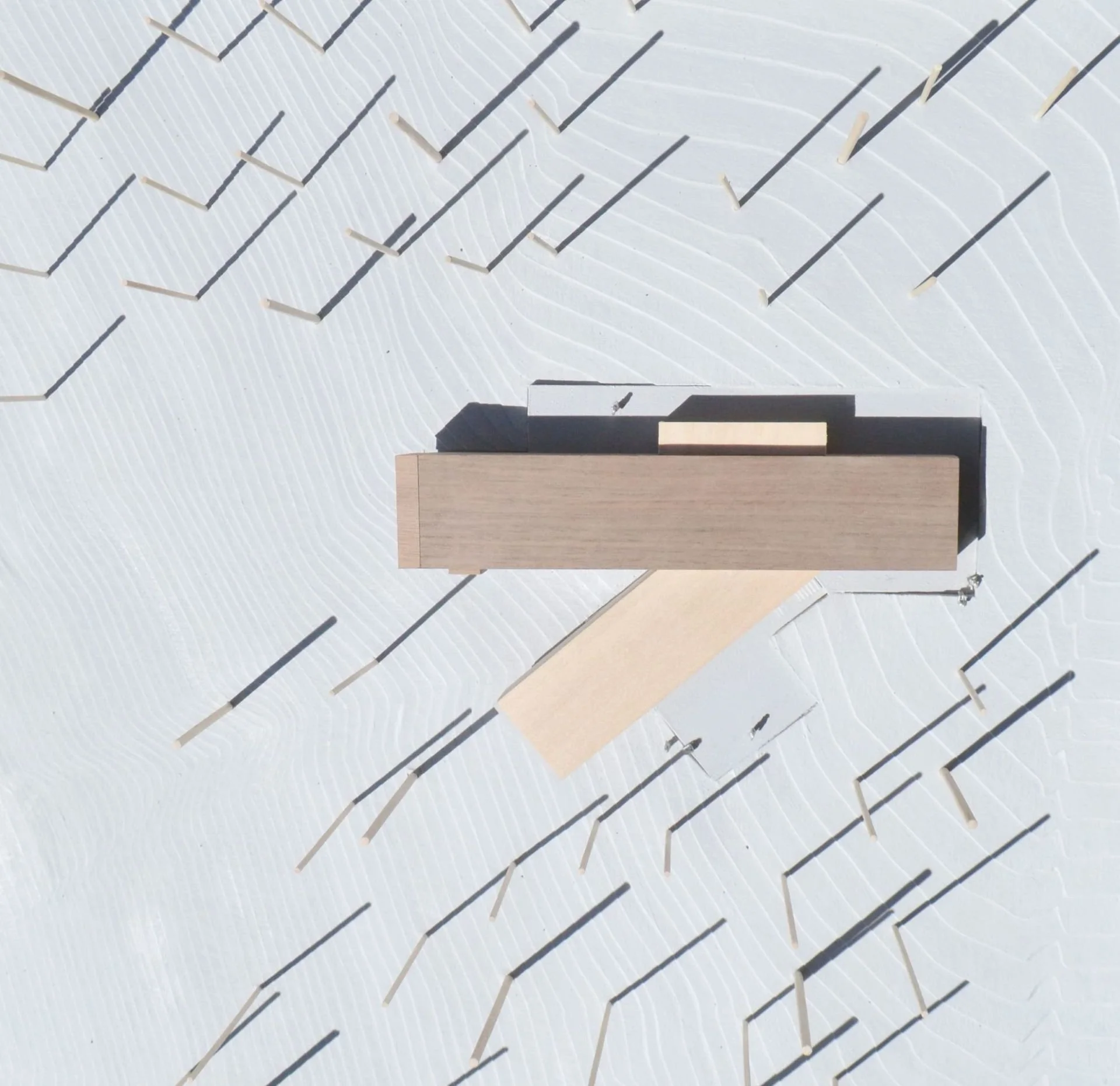
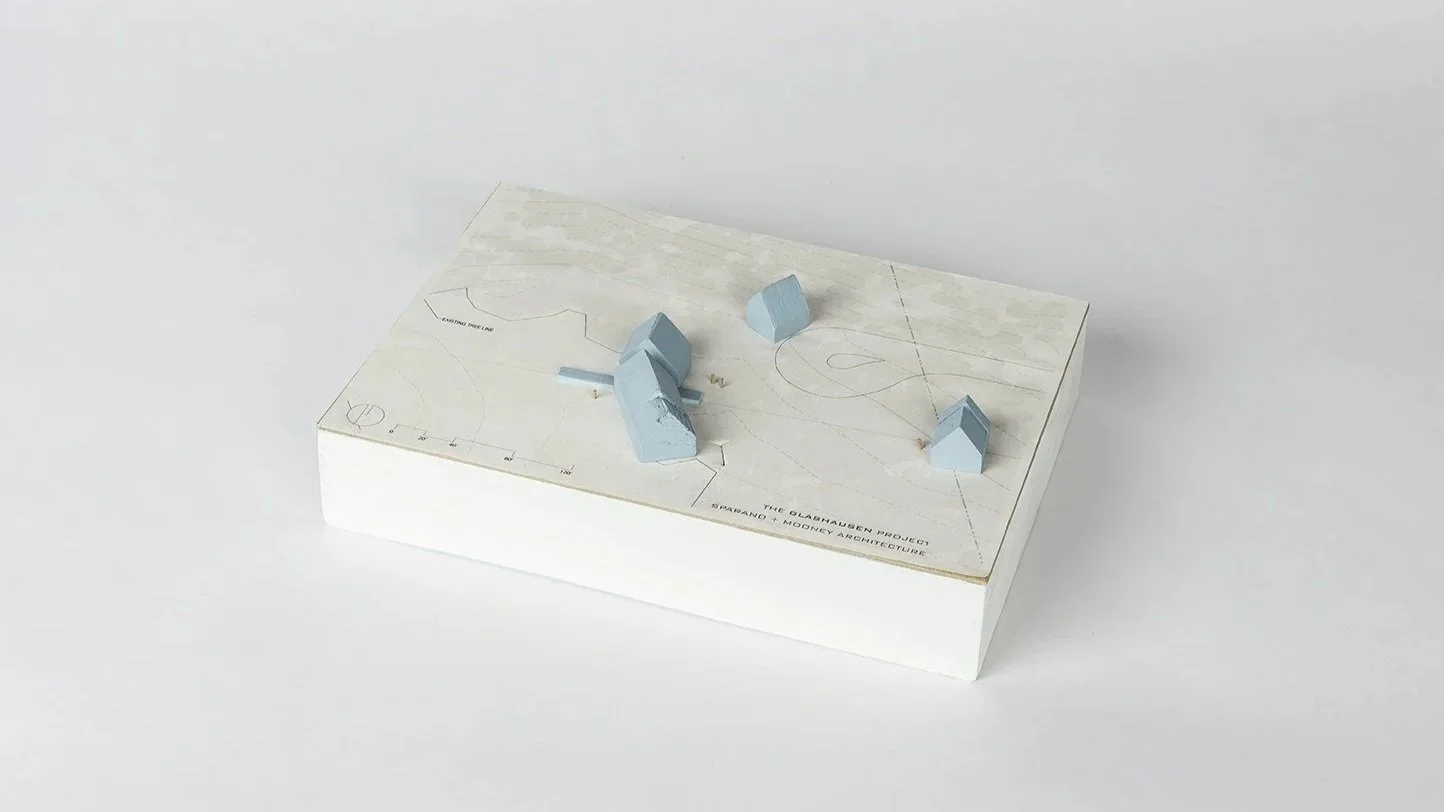
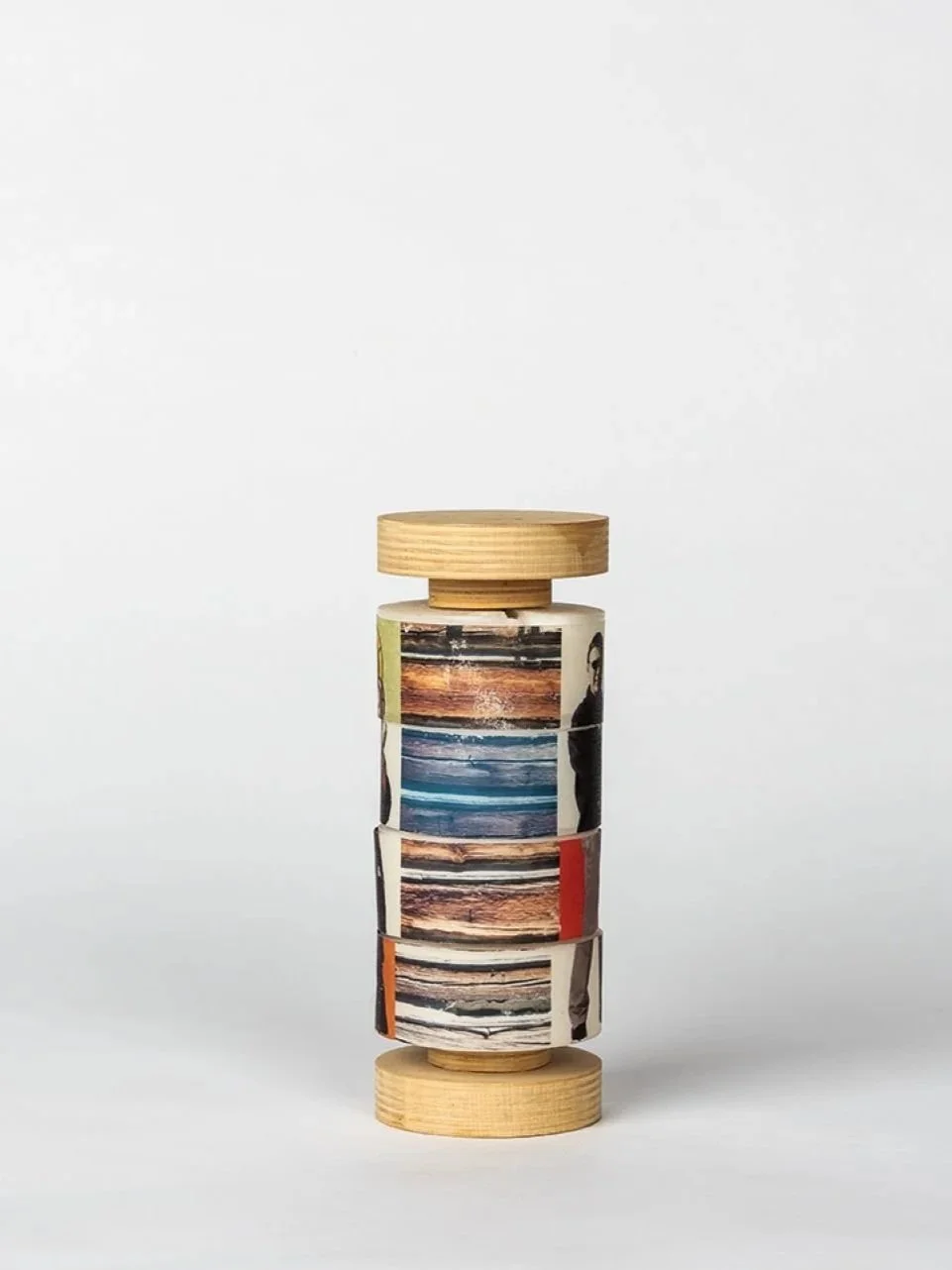
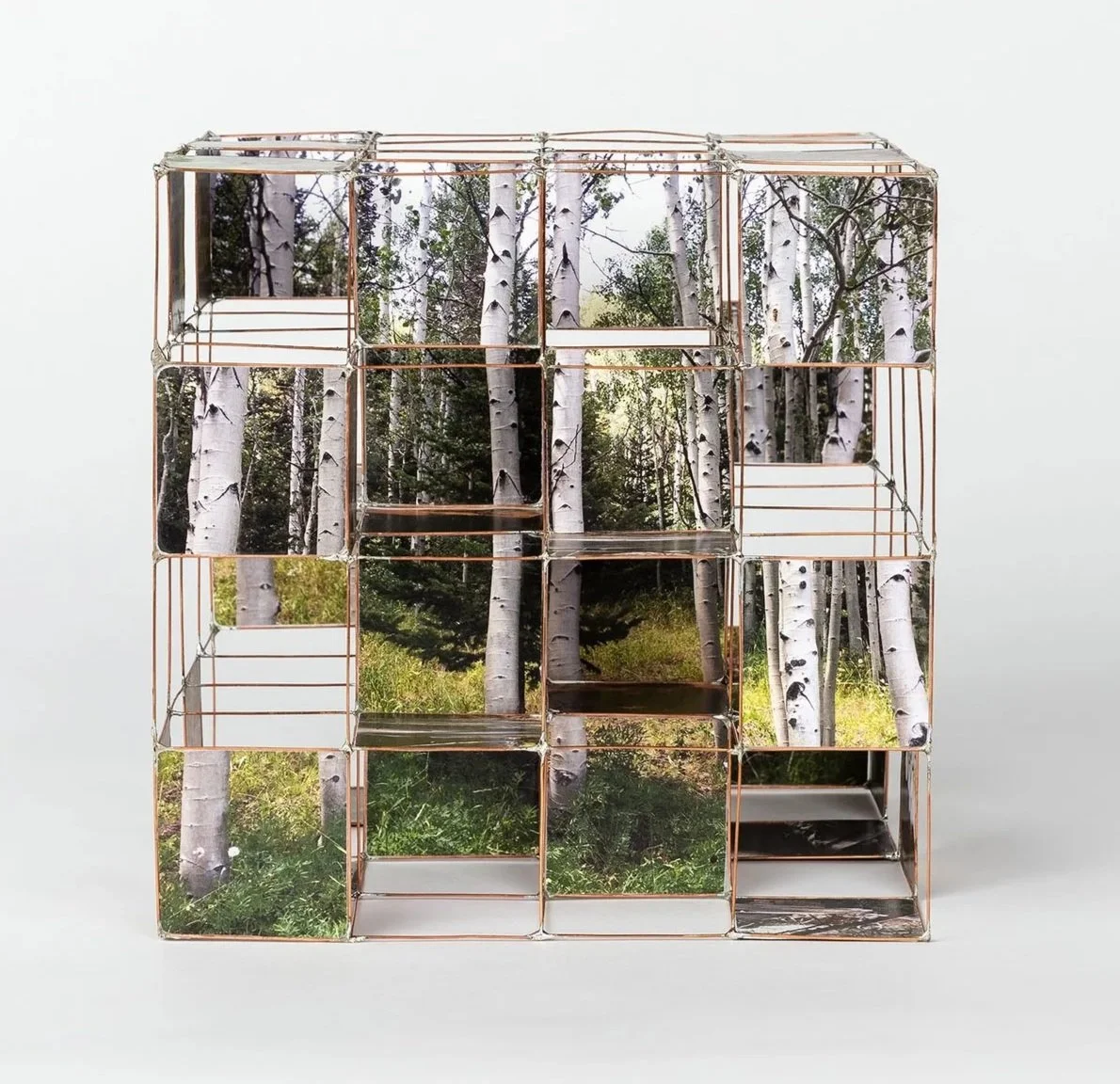
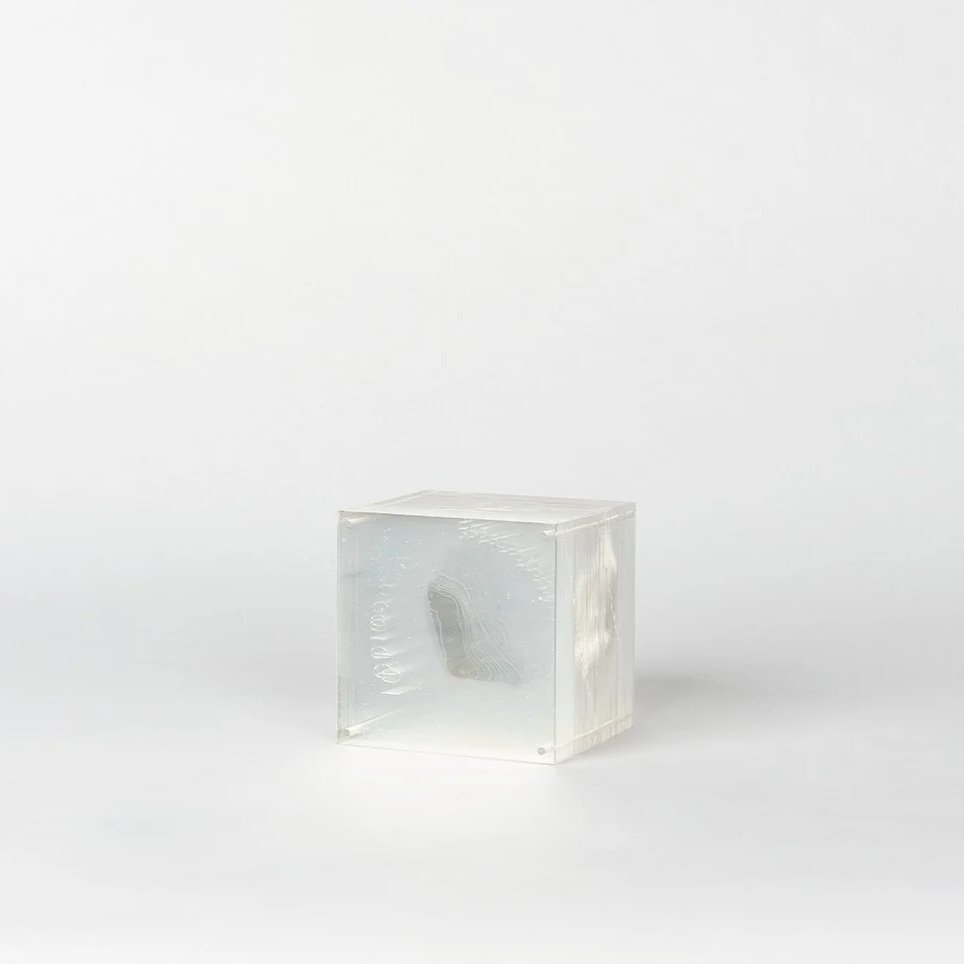
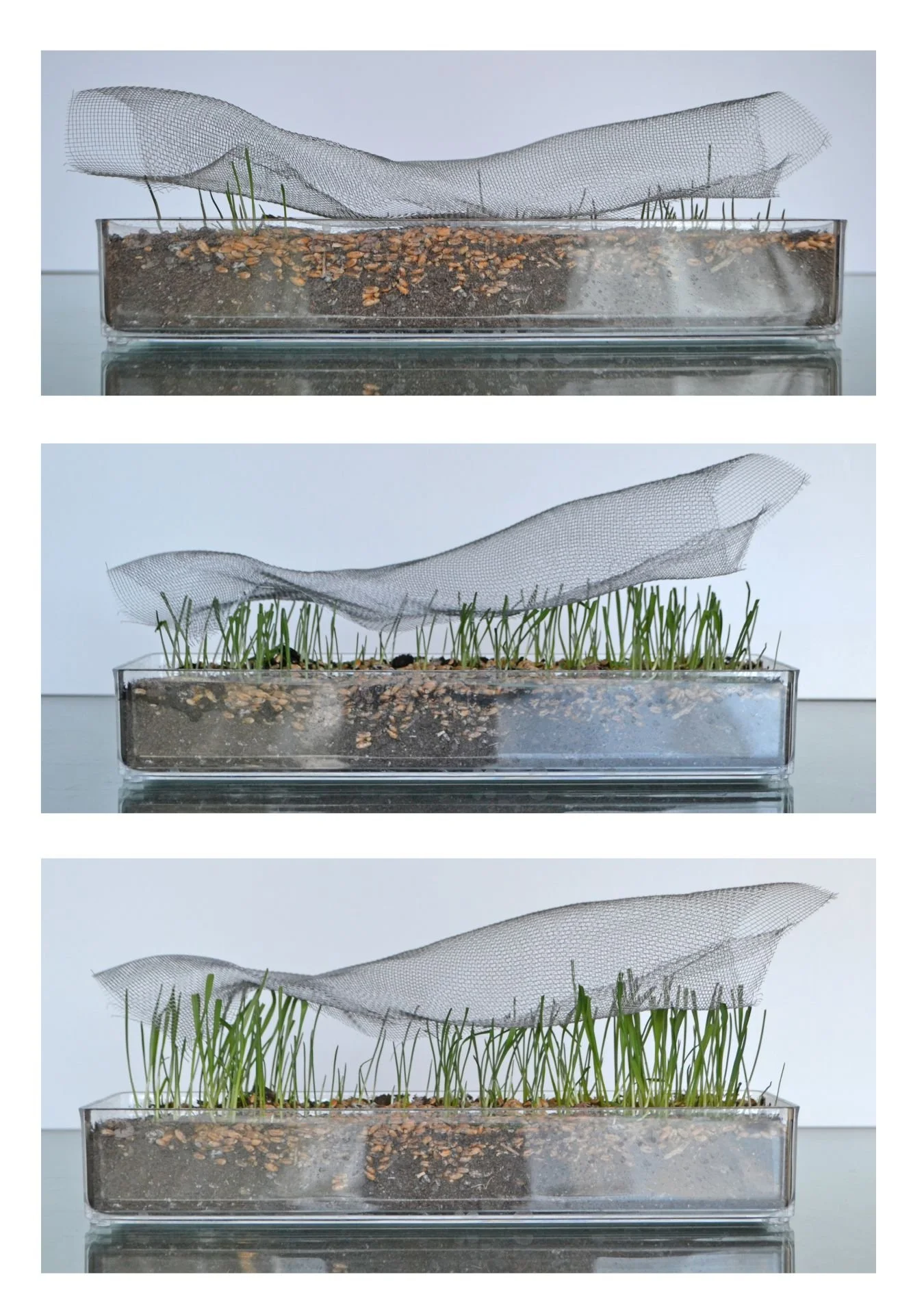
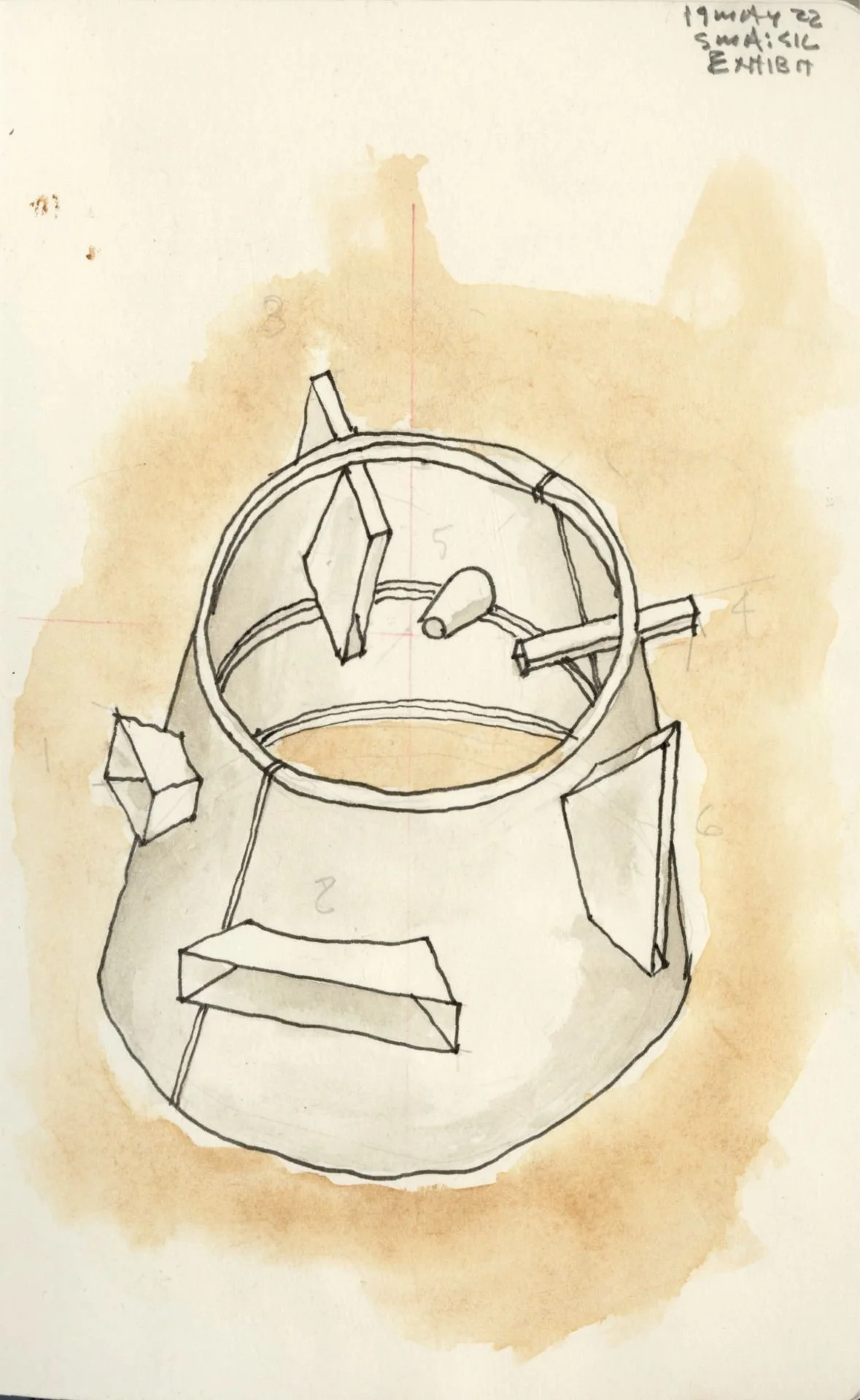
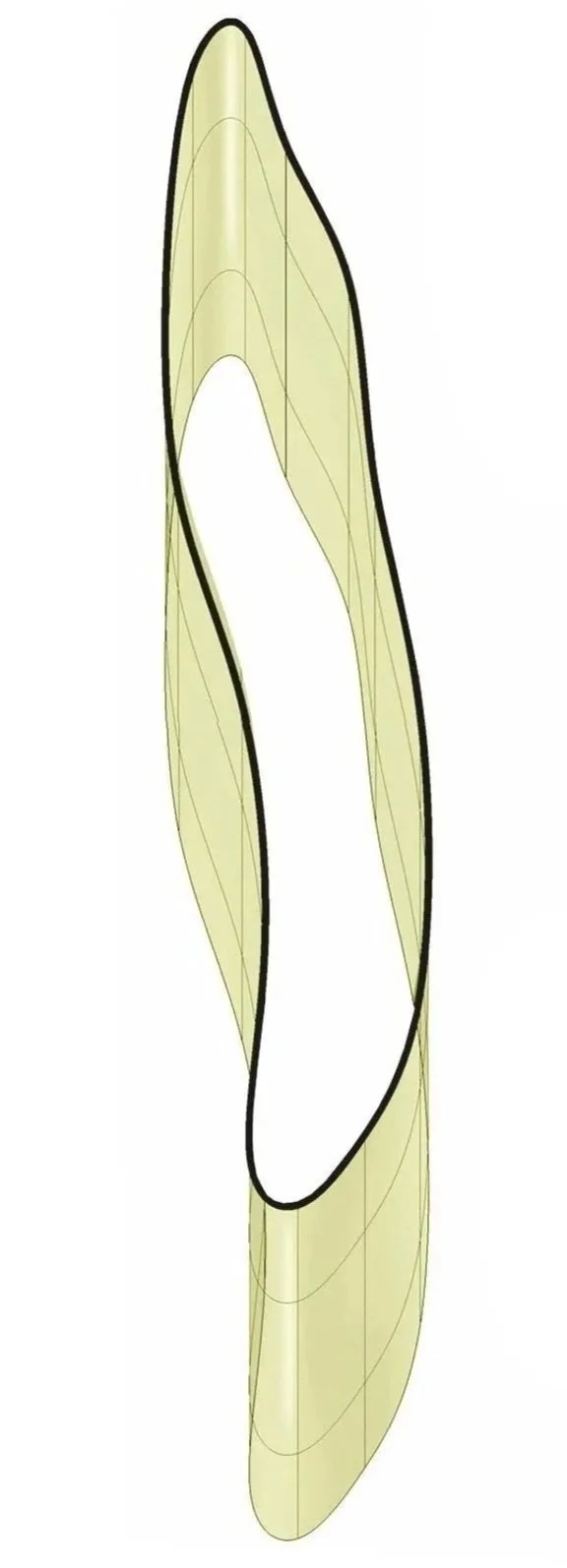
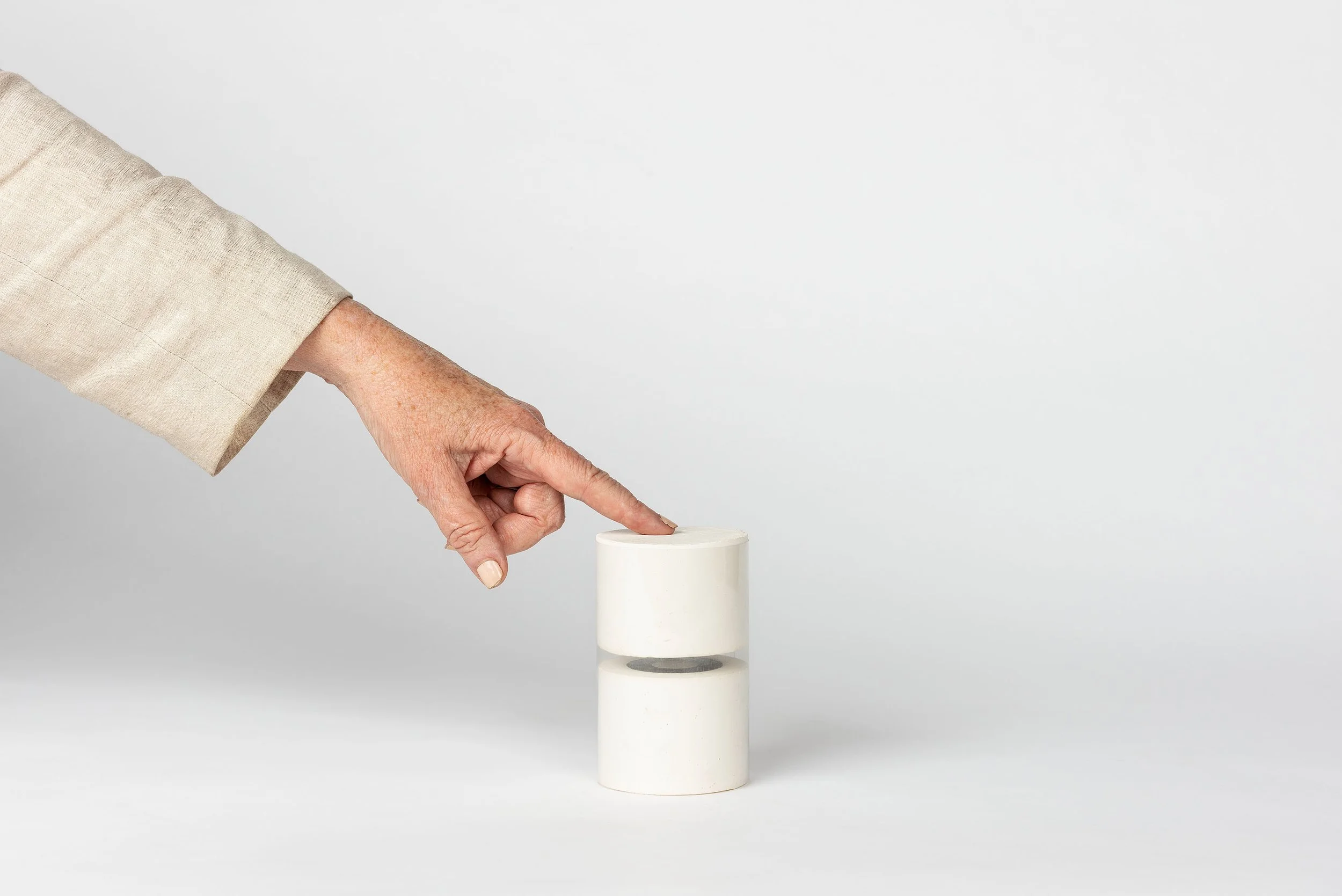
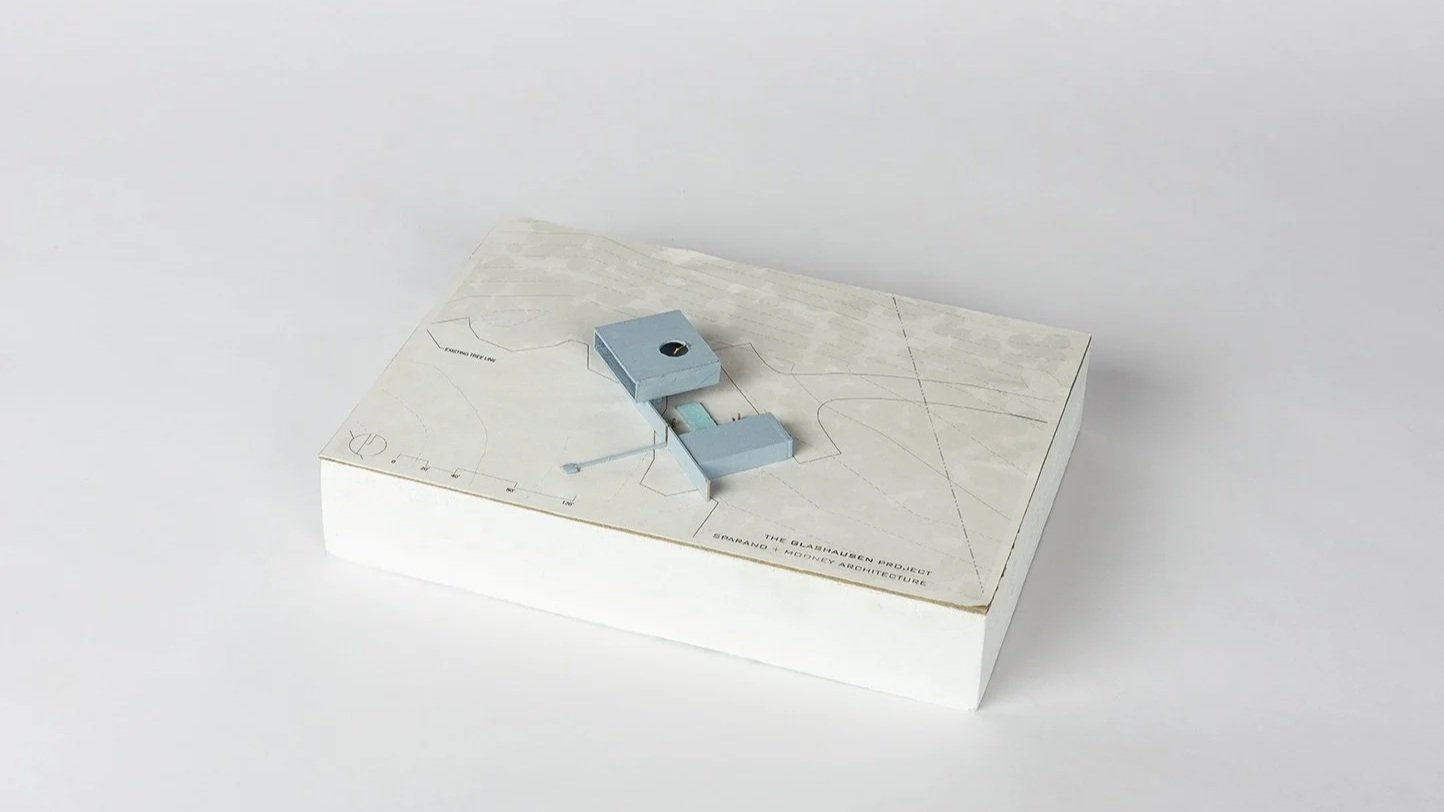
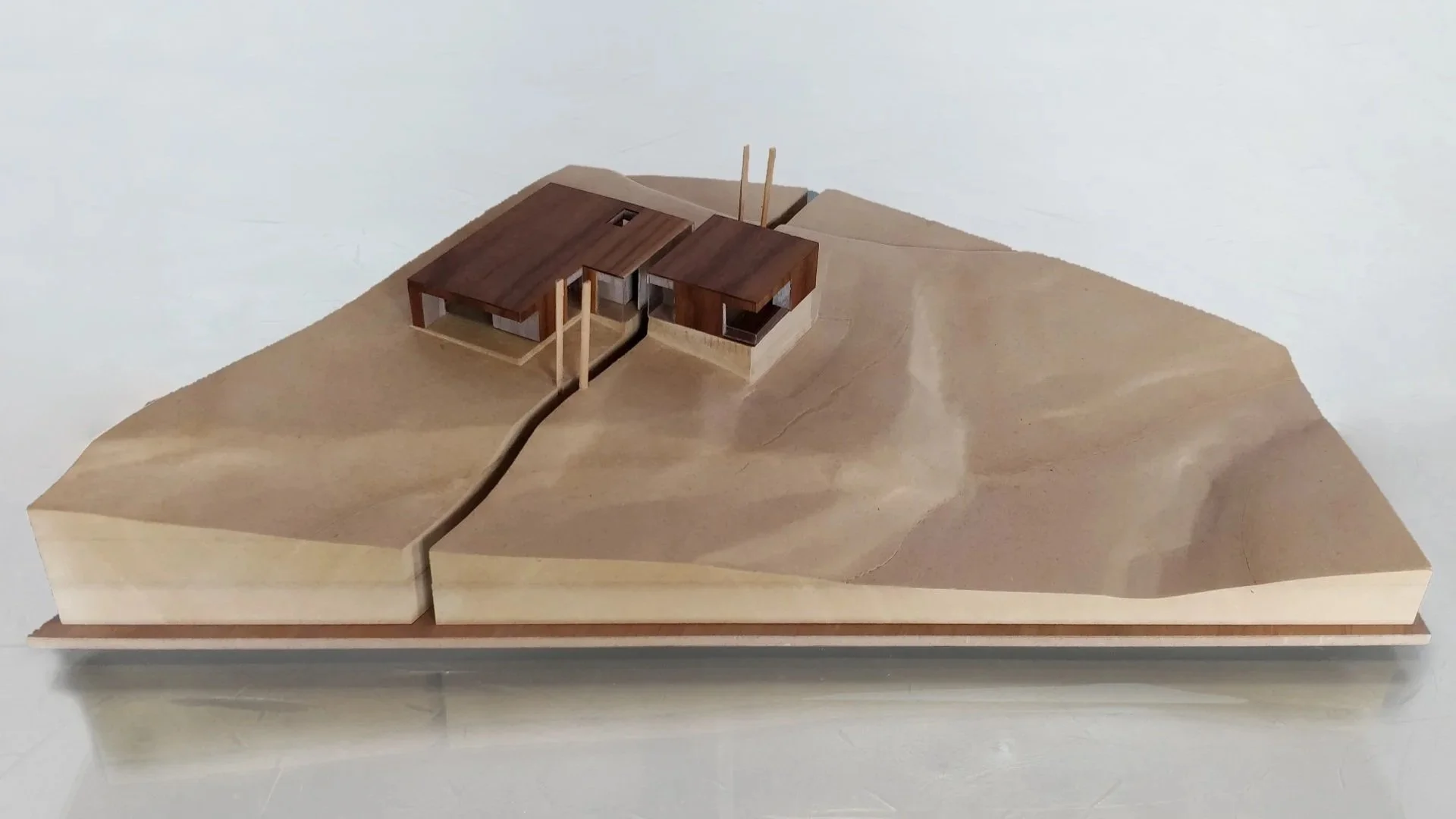
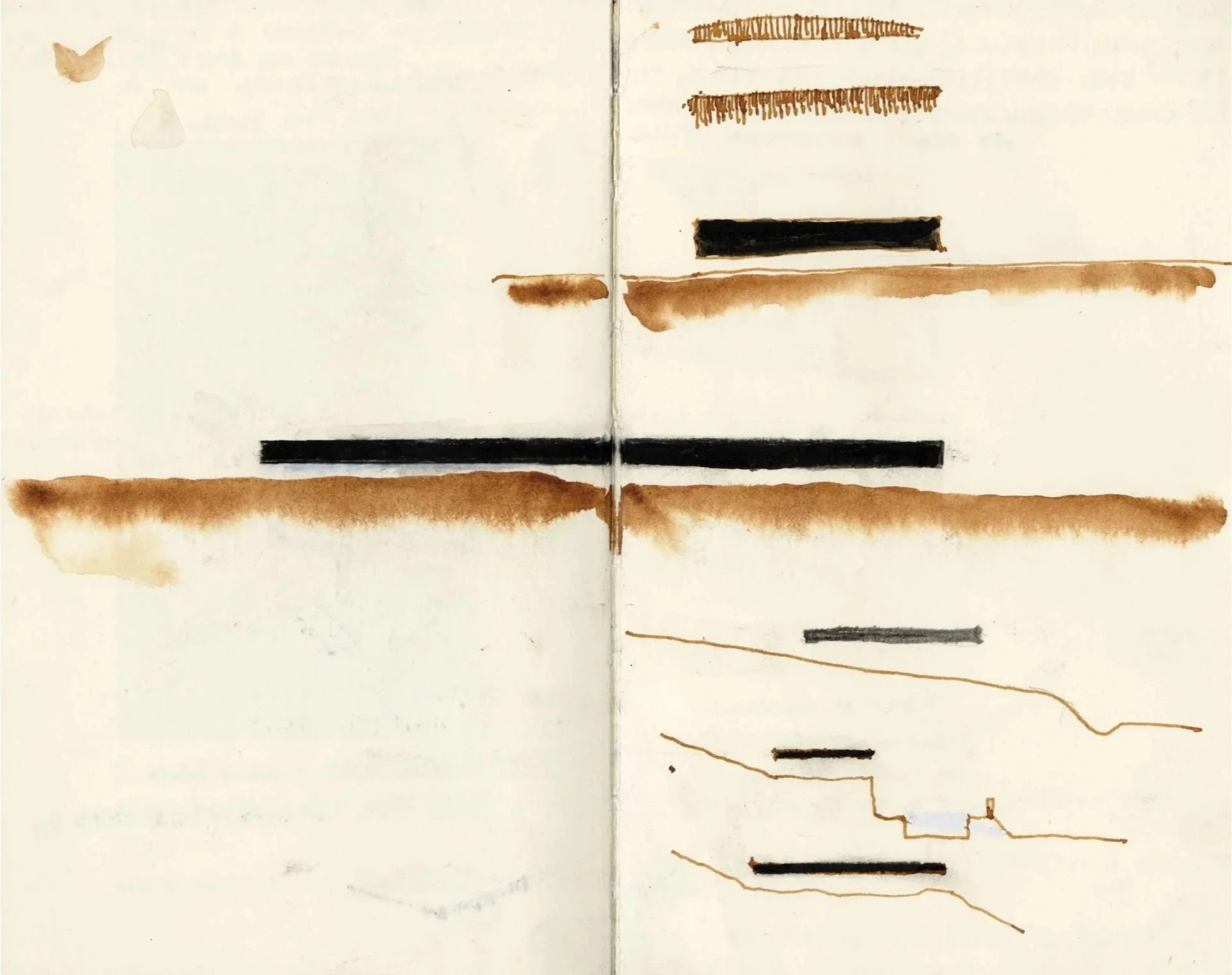
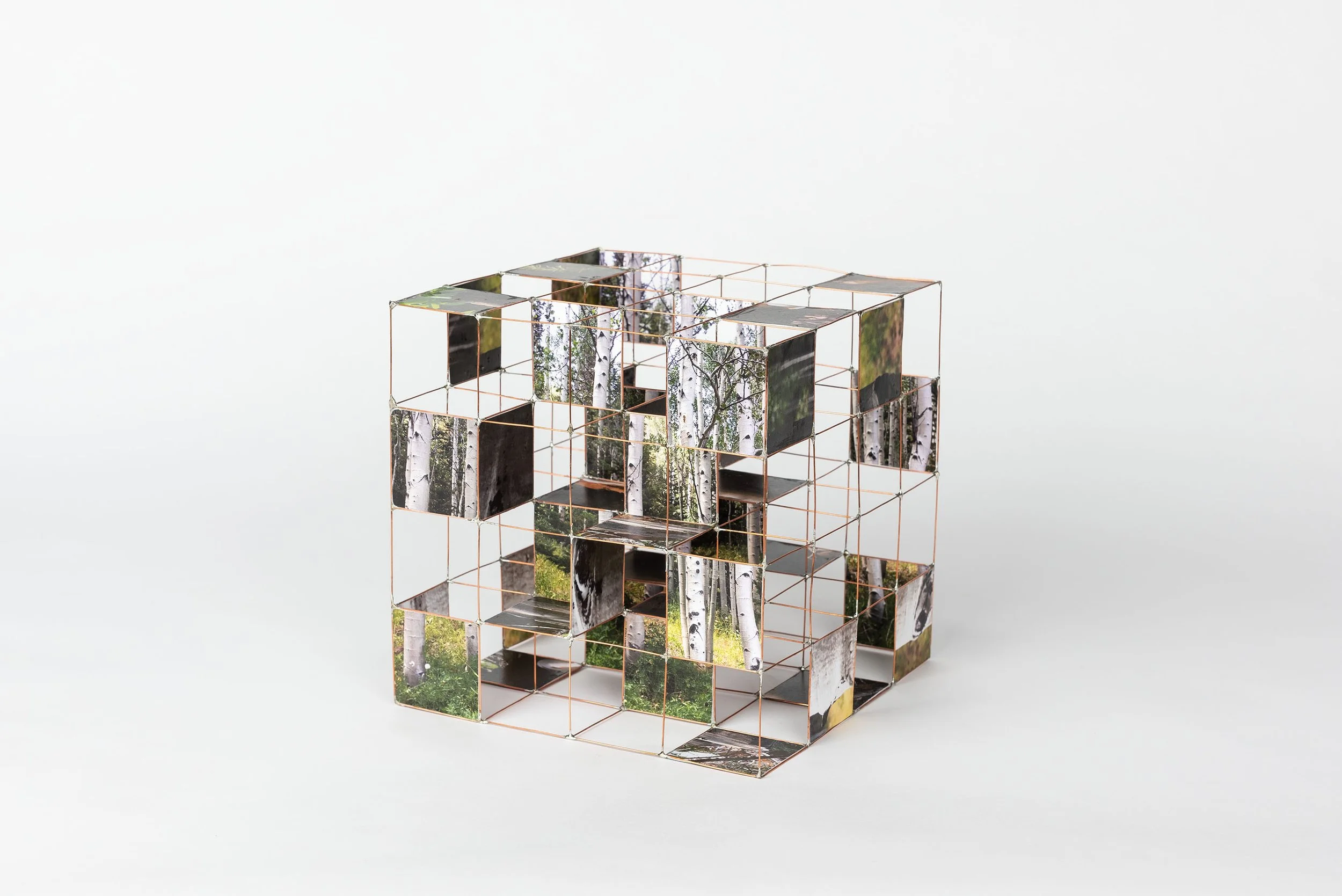
The process is heuristic in nature, testing a broad range of ideas before settling on the ideal framework for the developing design approach. This early way of working is not yet architectural, not yet representational. This step helps us focus on the specifics of the project and our alignment with the client and community we are collaborating with. As the ideas develop, a conceptual construct is designed and then built, serving as a repository of the ideas for the project. The connection between idea and architecture creates a critical filter through which a concept moves toward architecture.
Also central to the firm’s philosophy is a questioning of architectural order as something imposed on a work through geometry, separate from human experience. Instead, we see architecture emerging as a spatial narrative, one that unfolds through time, movement and sensory awareness. Architecture is conceived as dynamic, with occupants engaged as active participants within the center of an evolving spatial field, around which form, light and space are carefully crafted and articulated through architectural design elements.
Through this approach, our work seeks not only to shape an architectural response to a brief, but to choreograph one-of-a-kind meaningful connections among architecture, context and spatial sequence. This process allows our team of Utah and Los Angeles architects to create buildings and spaces not passively observed, but actively encountered within an environment shaped by a curated unfolding of experience.
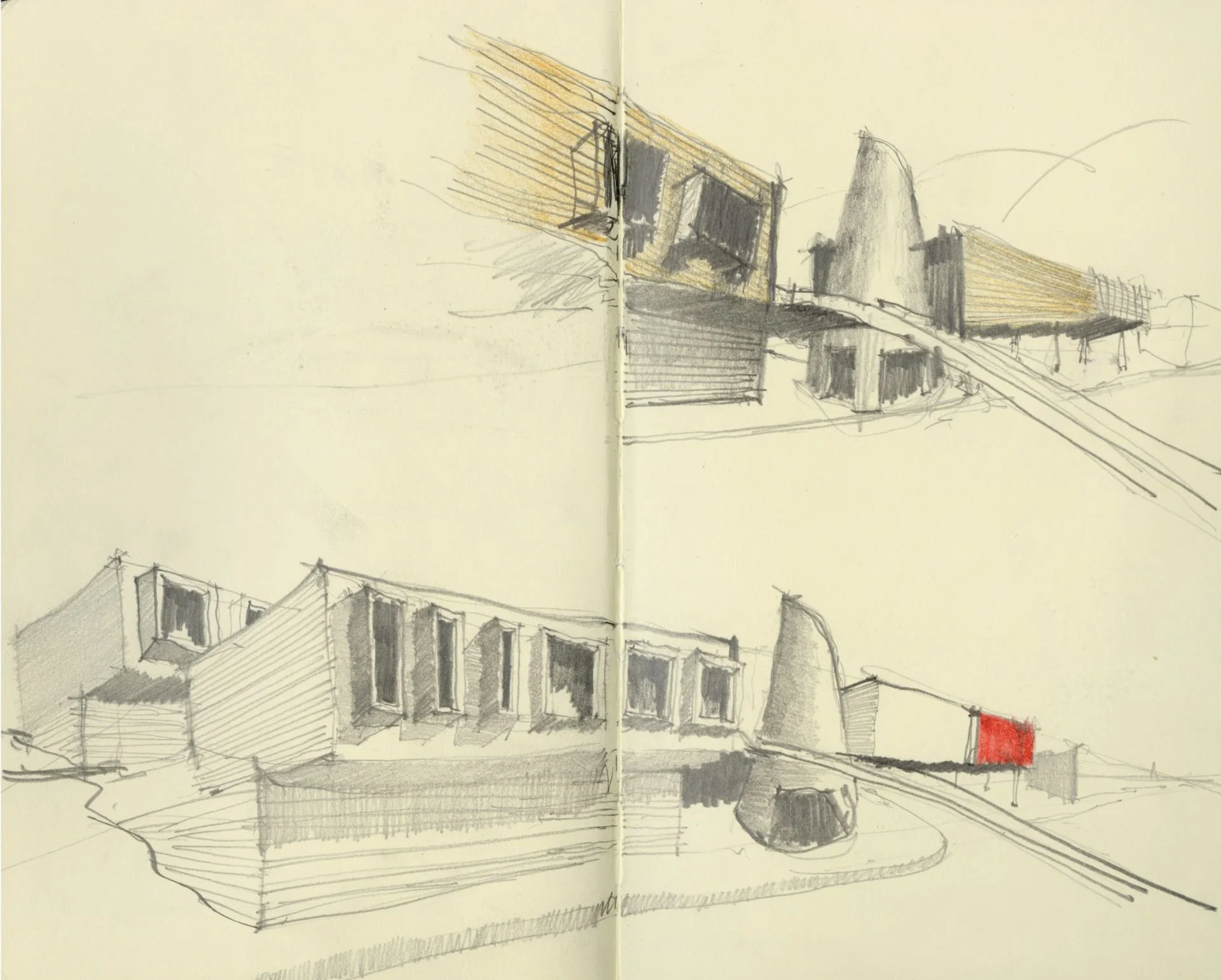
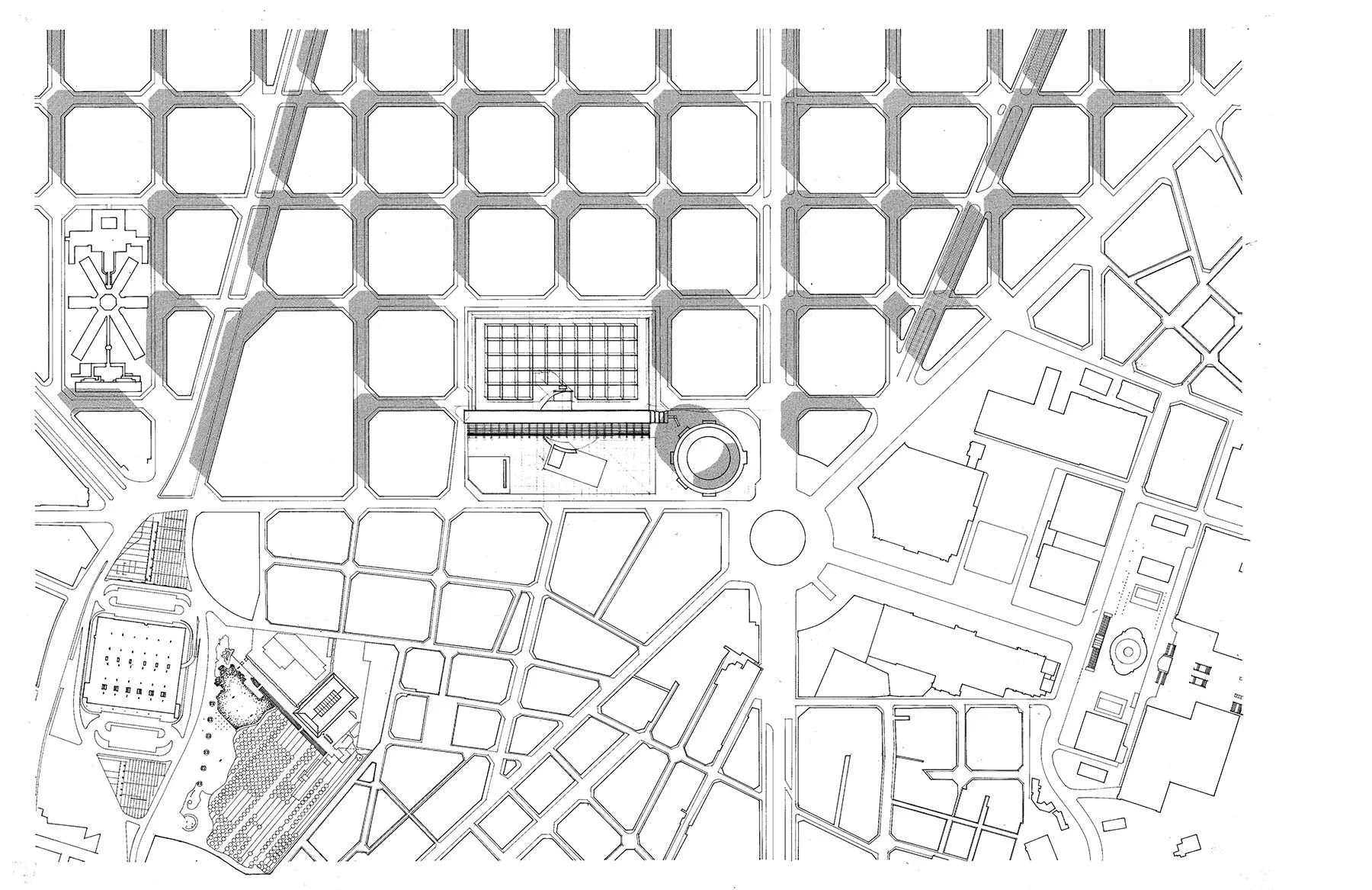
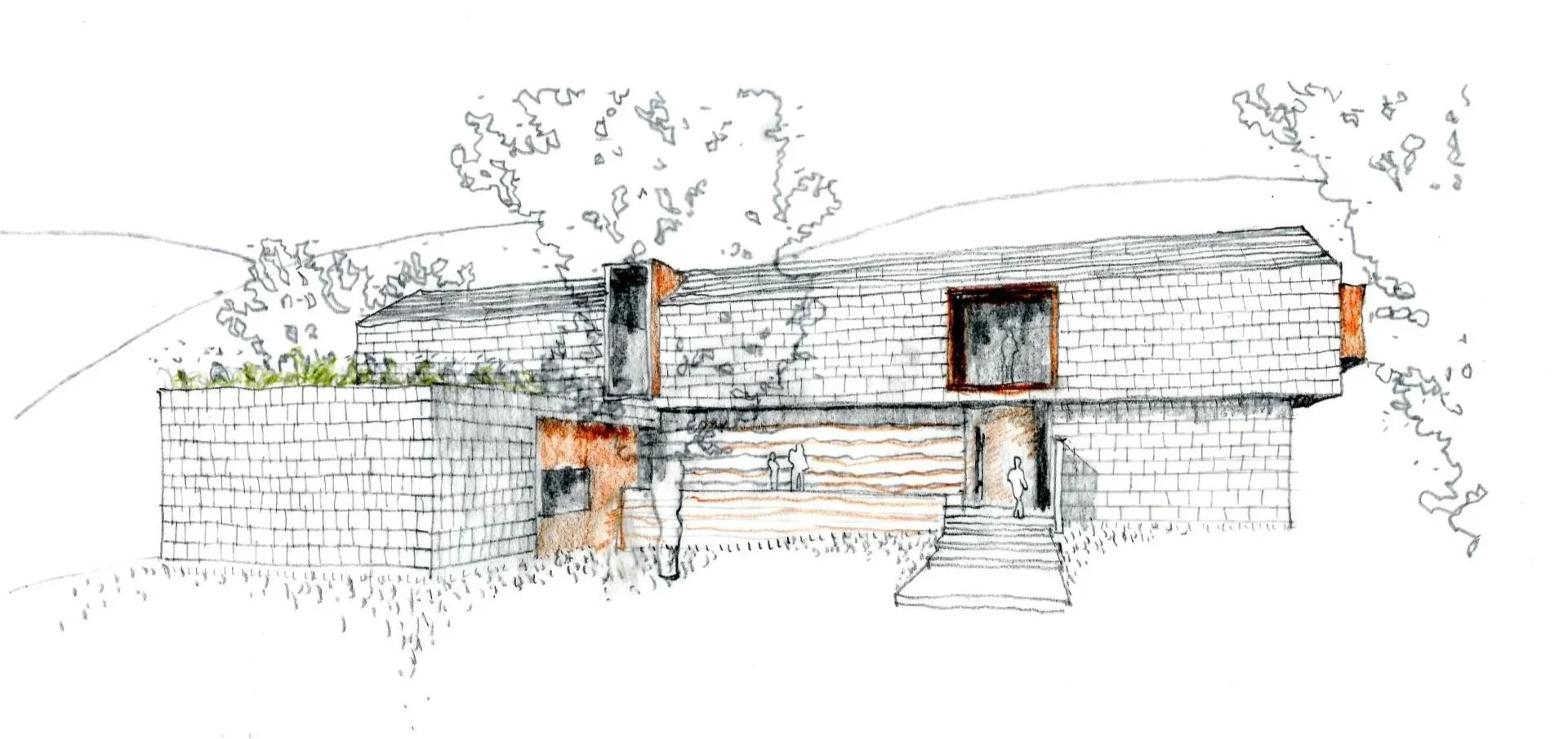
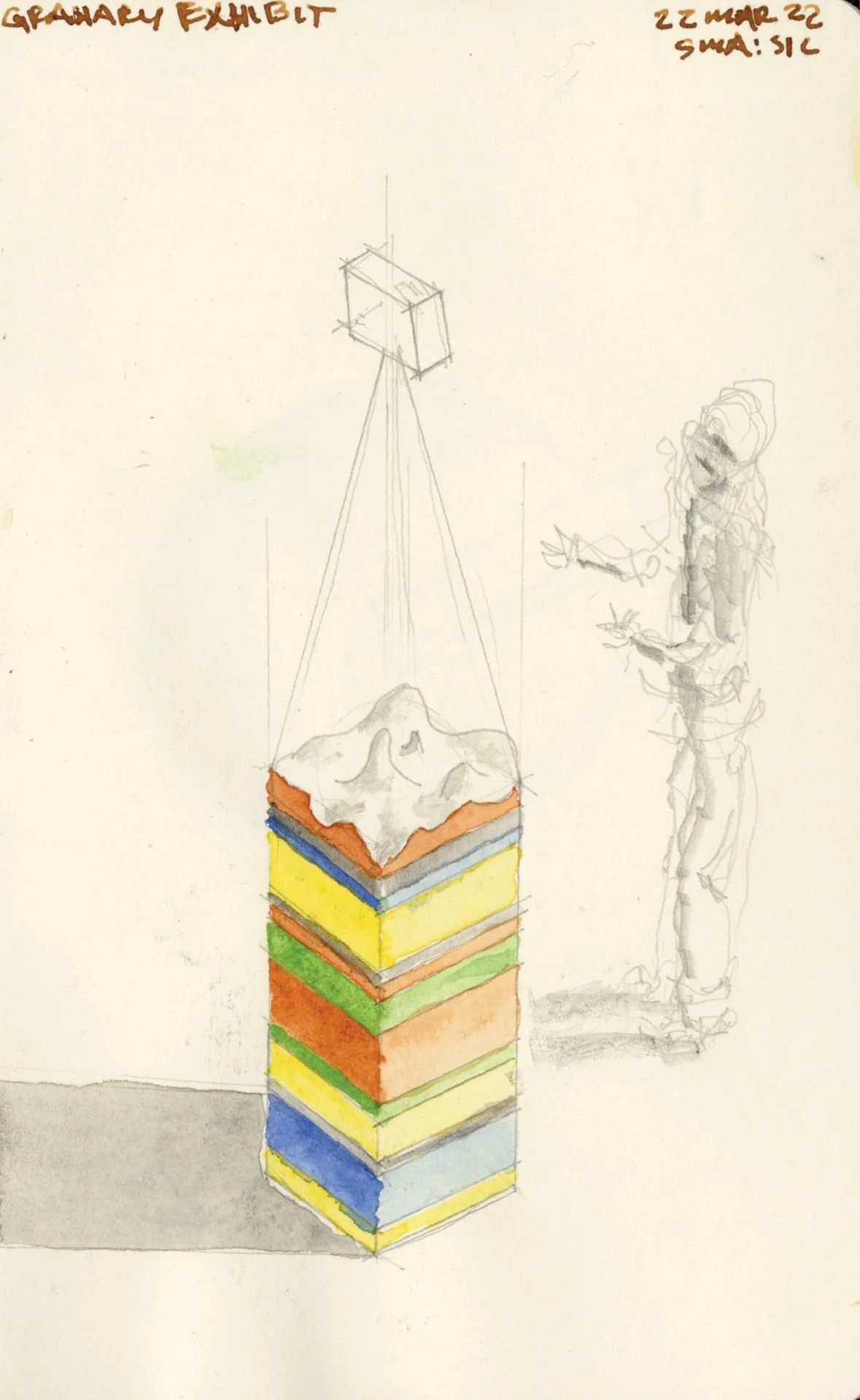
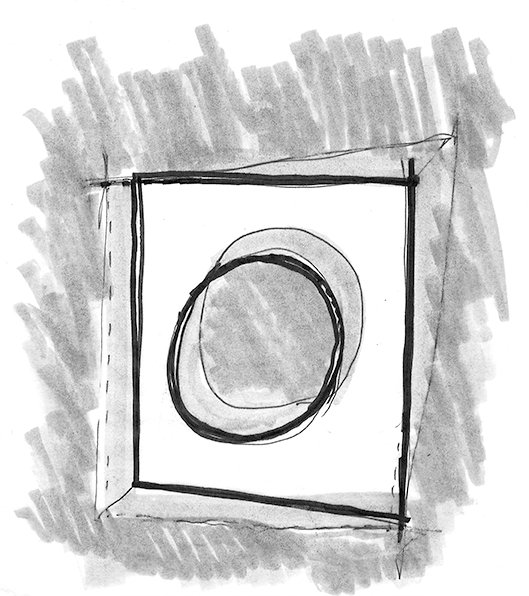
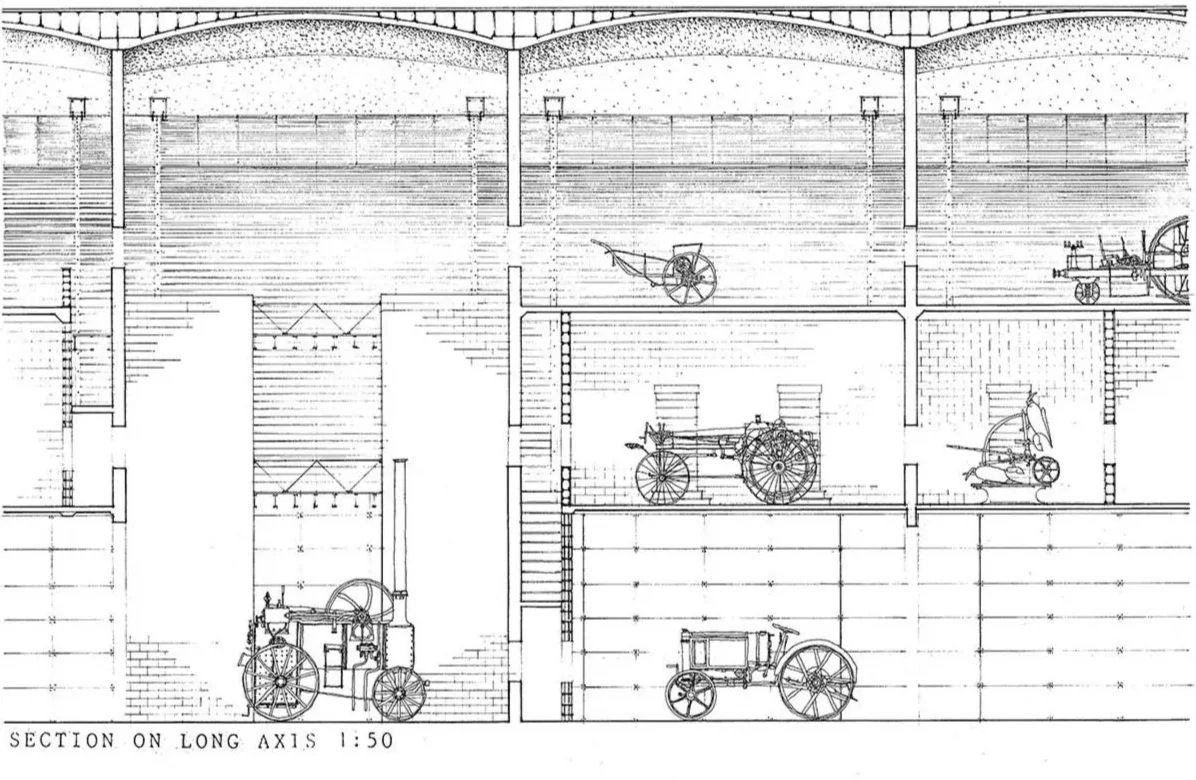
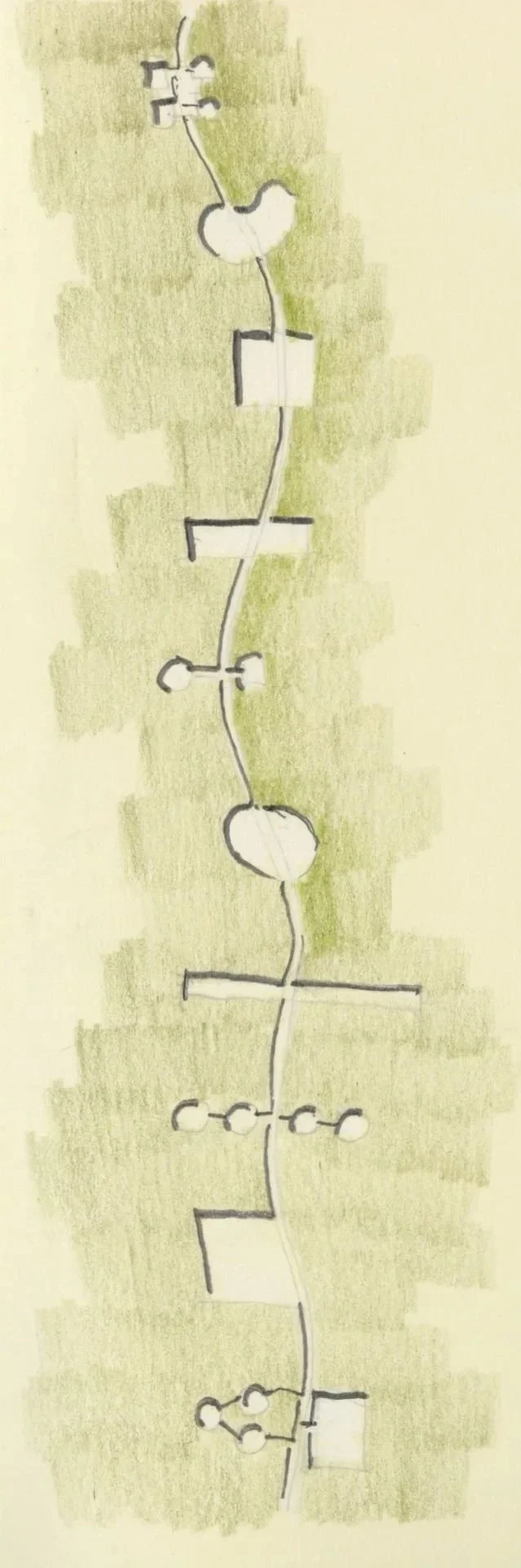
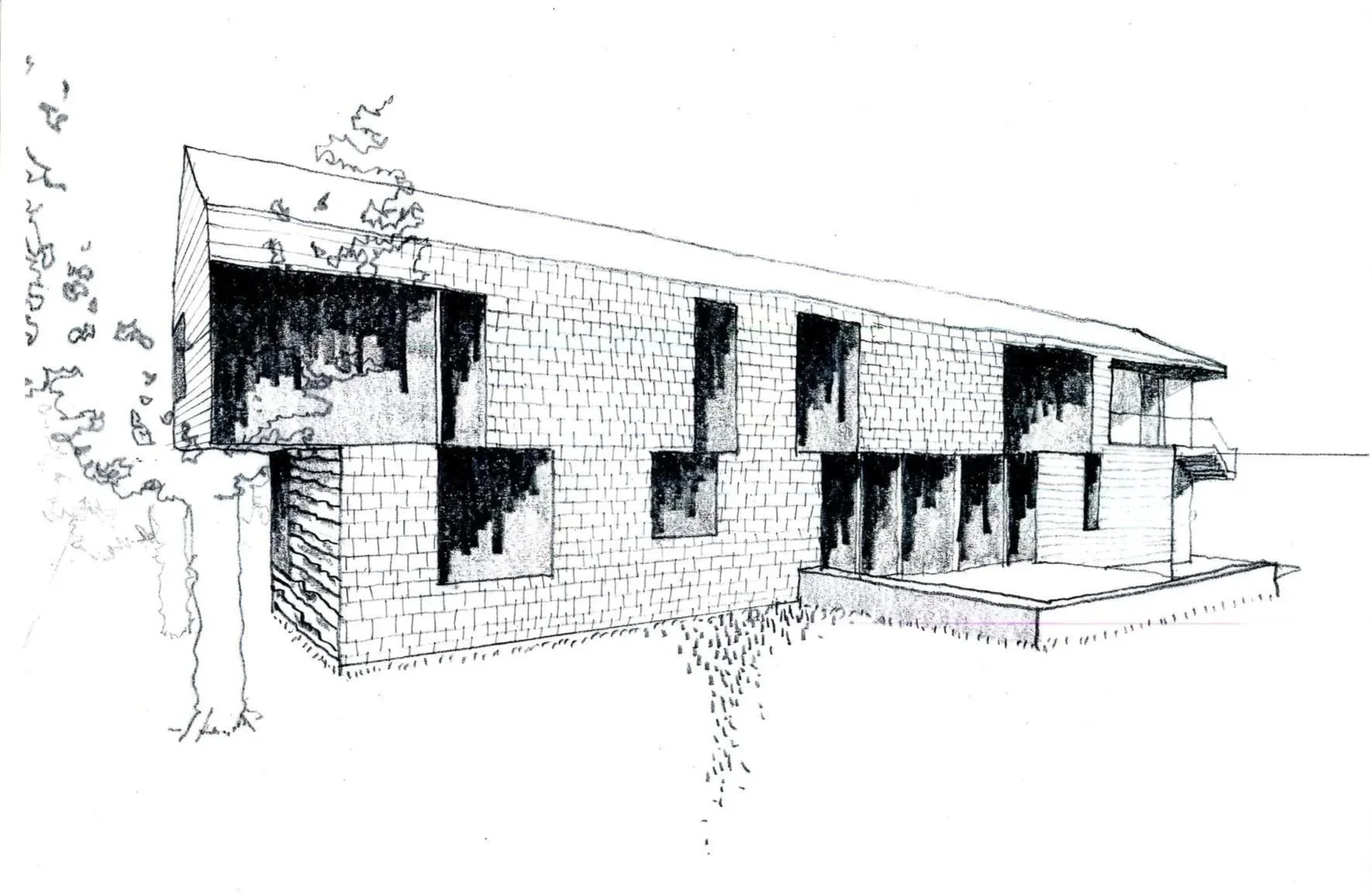
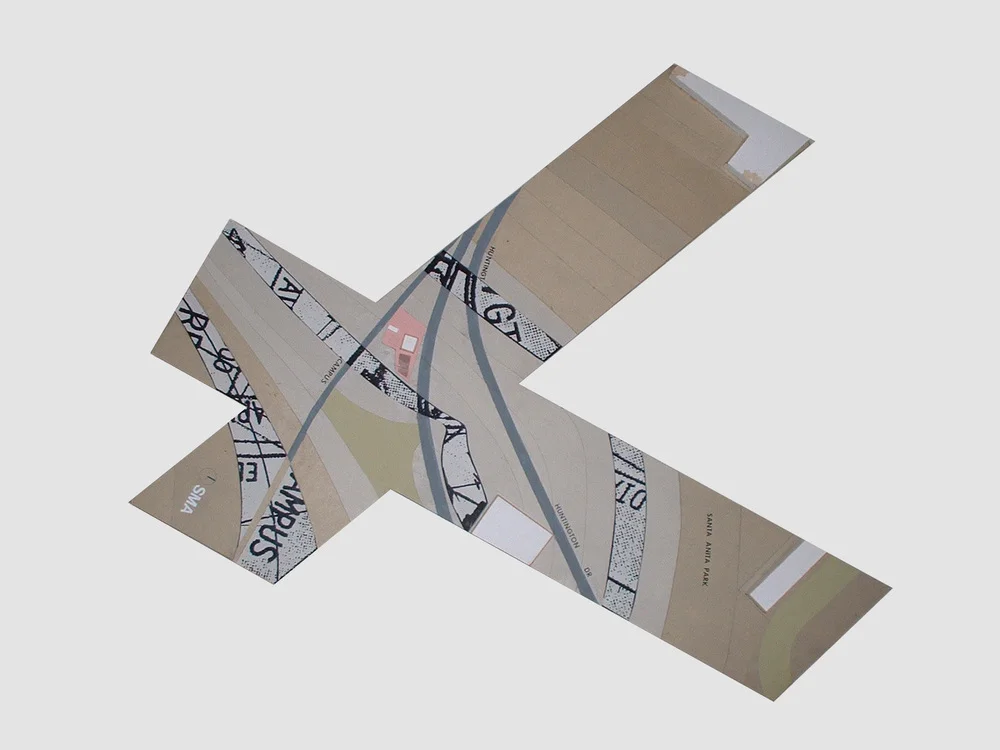
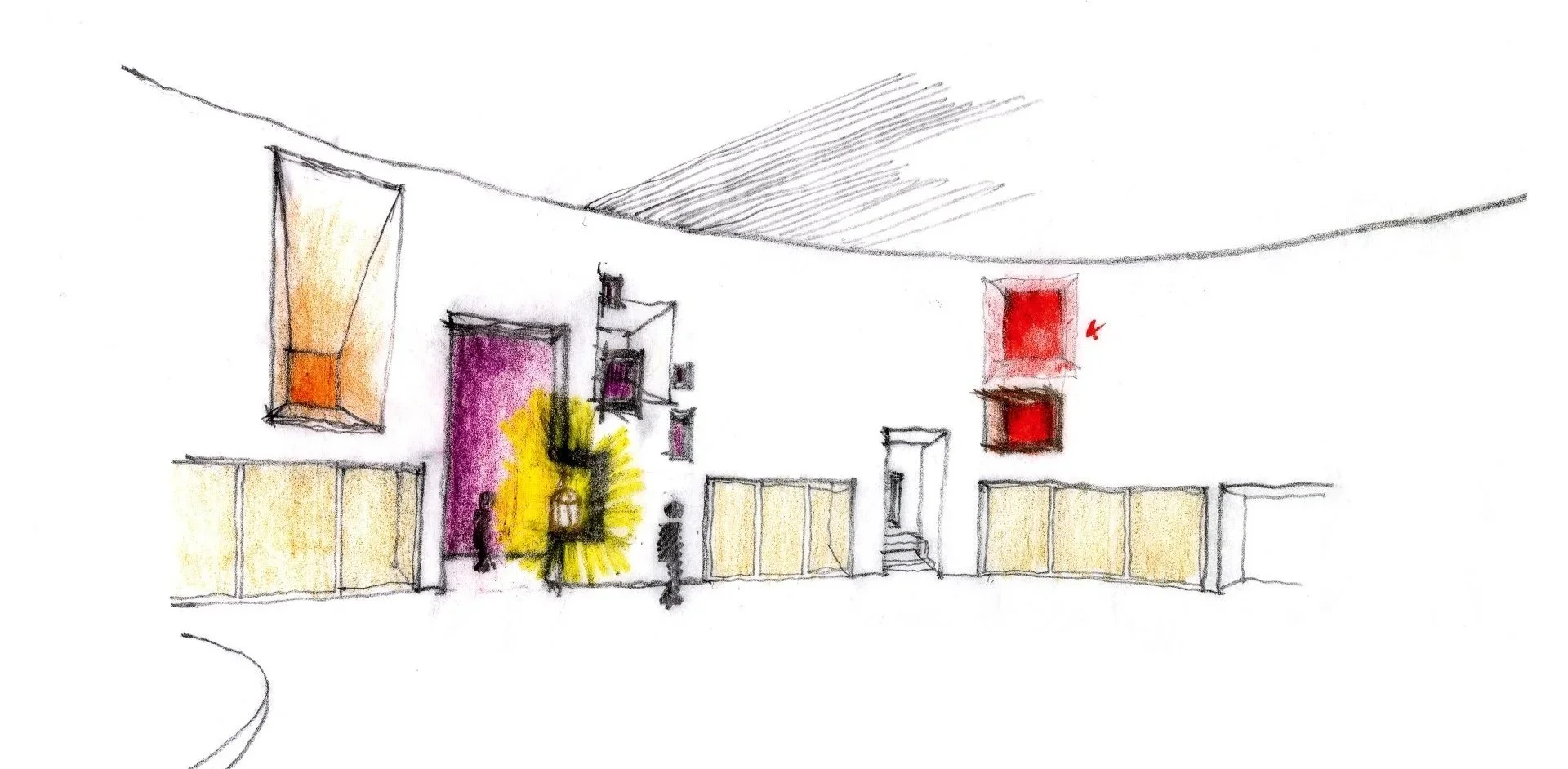
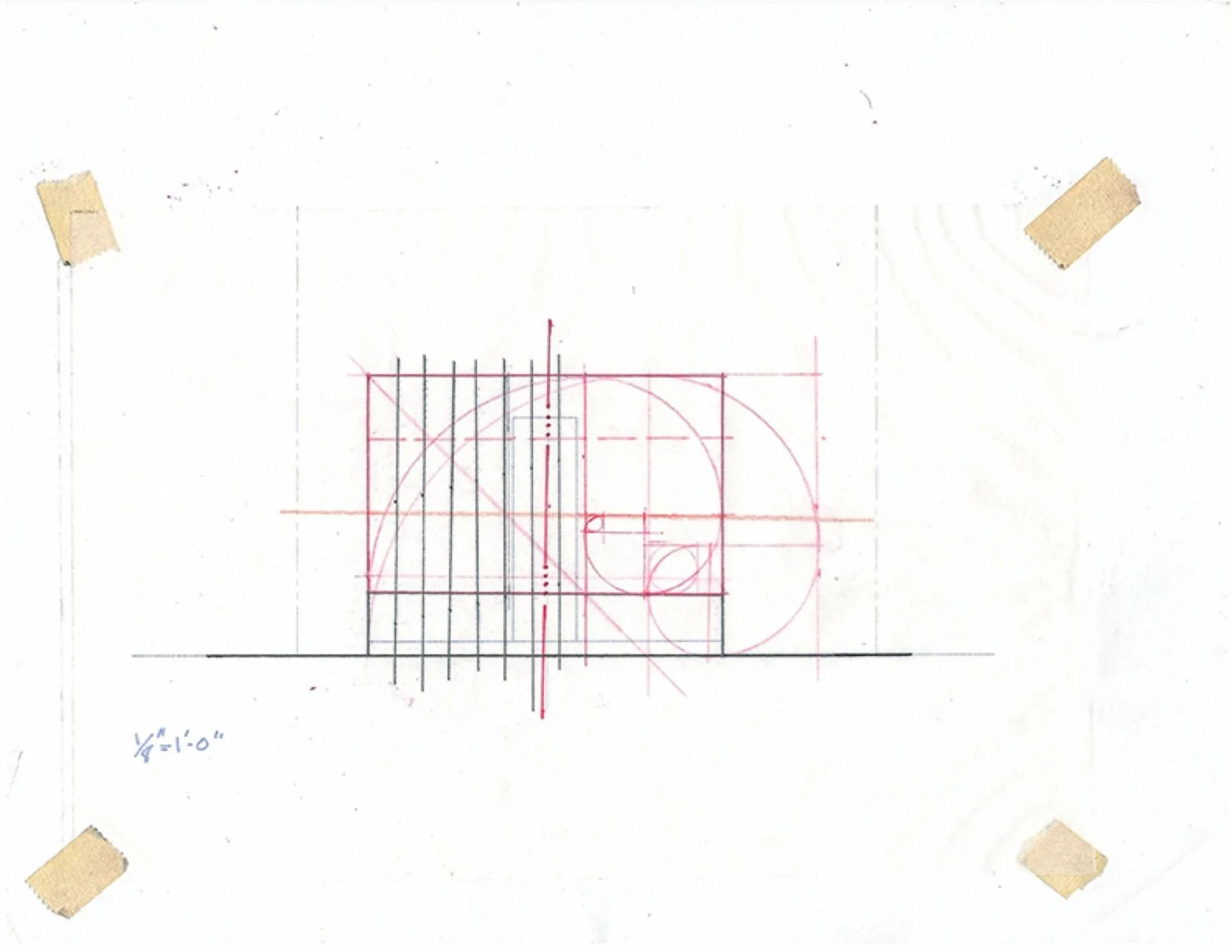
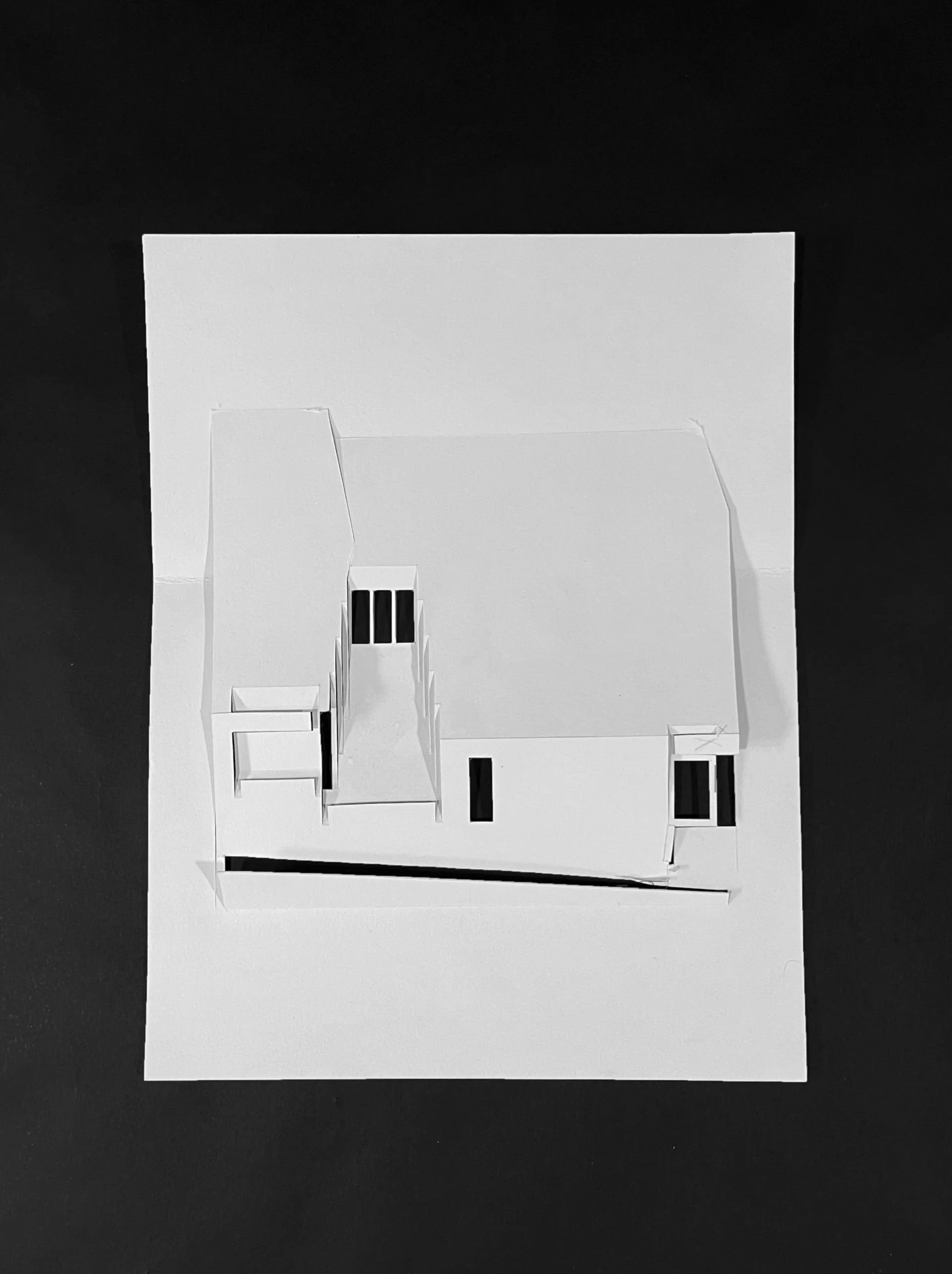
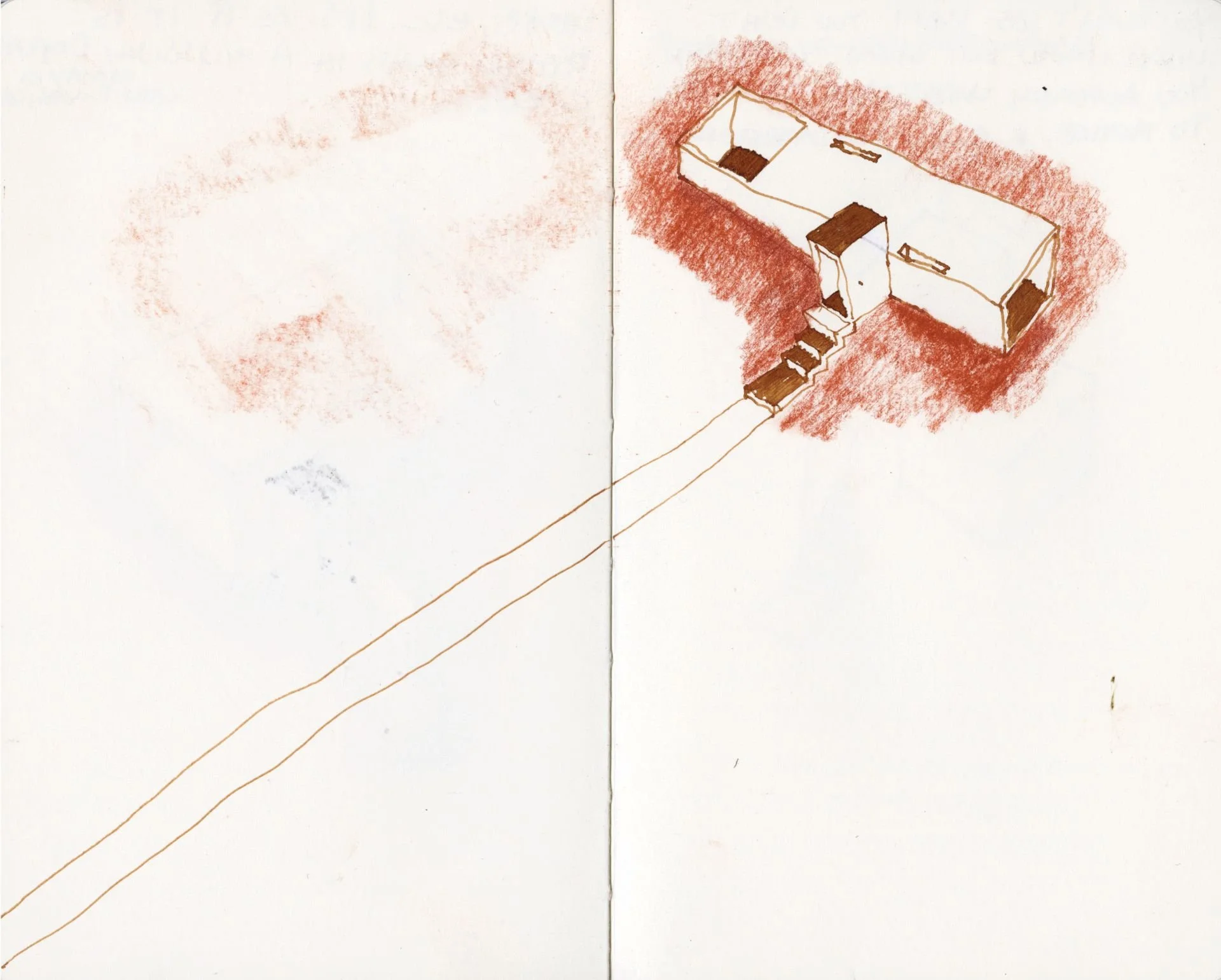
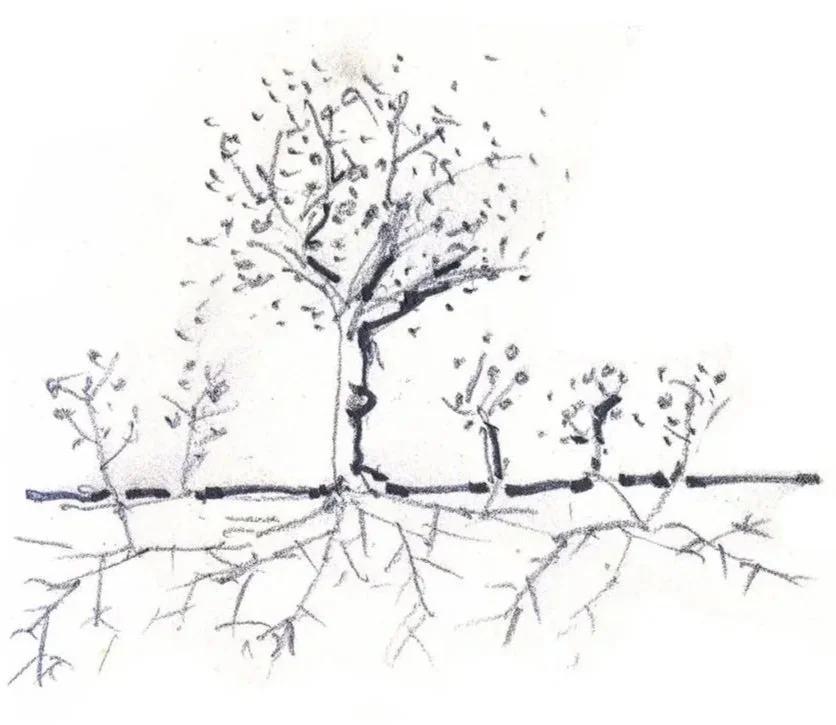
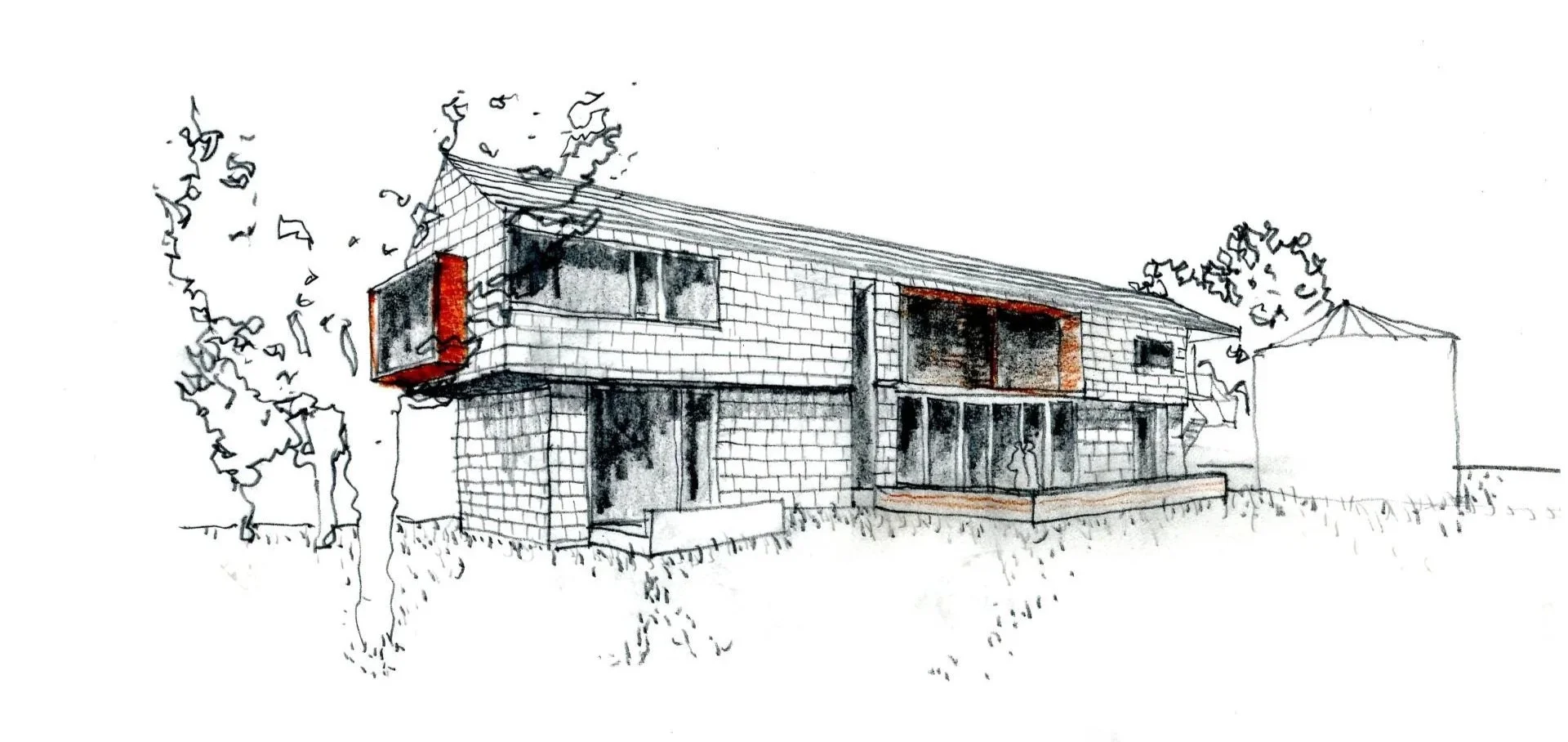
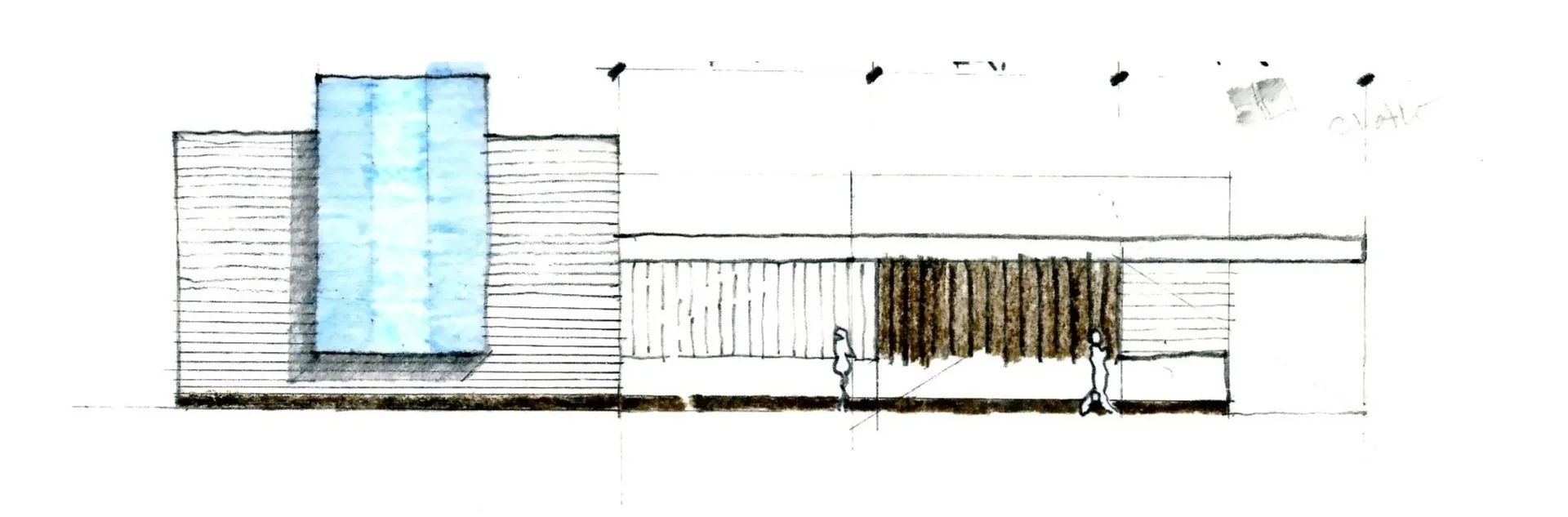
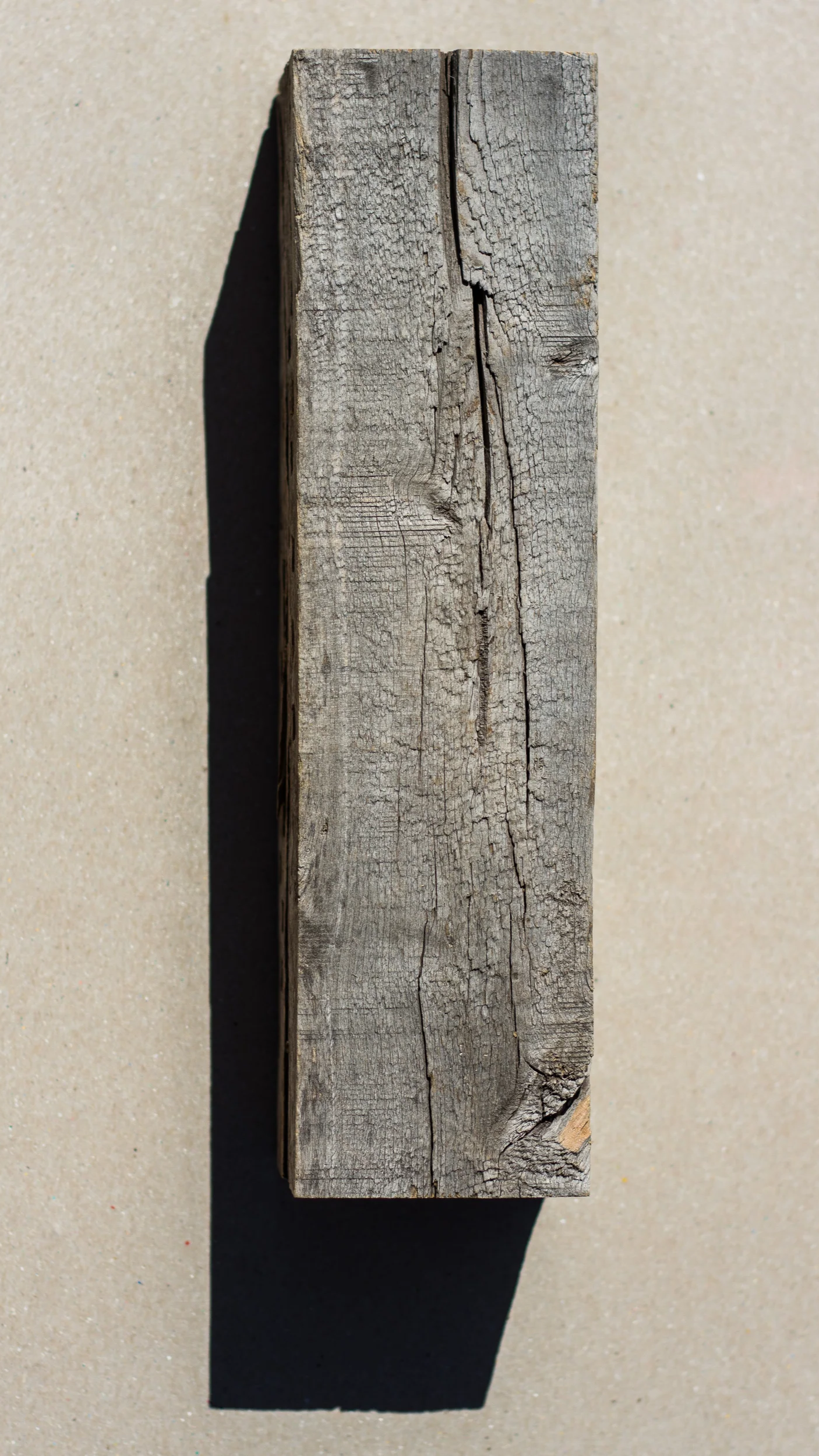
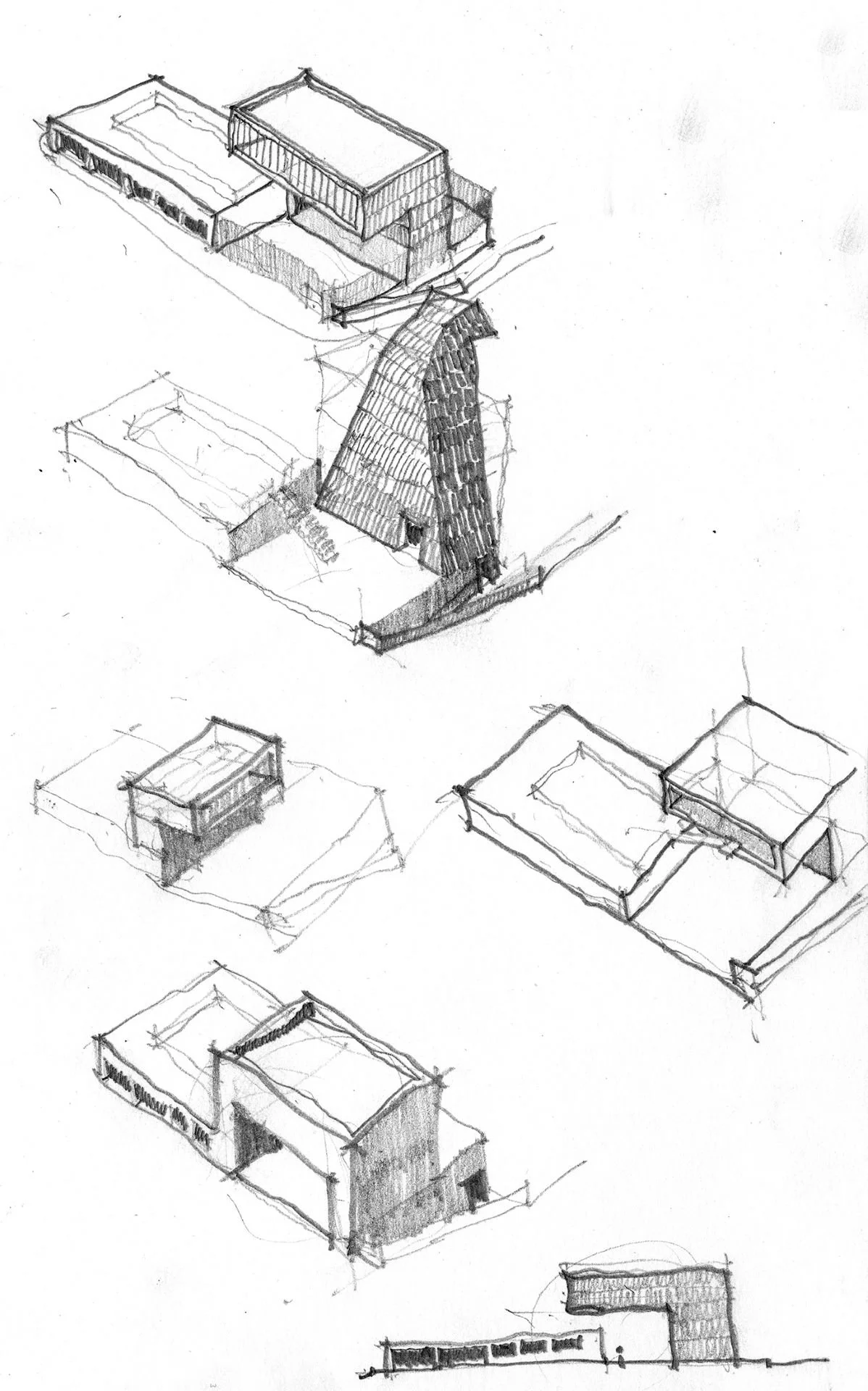
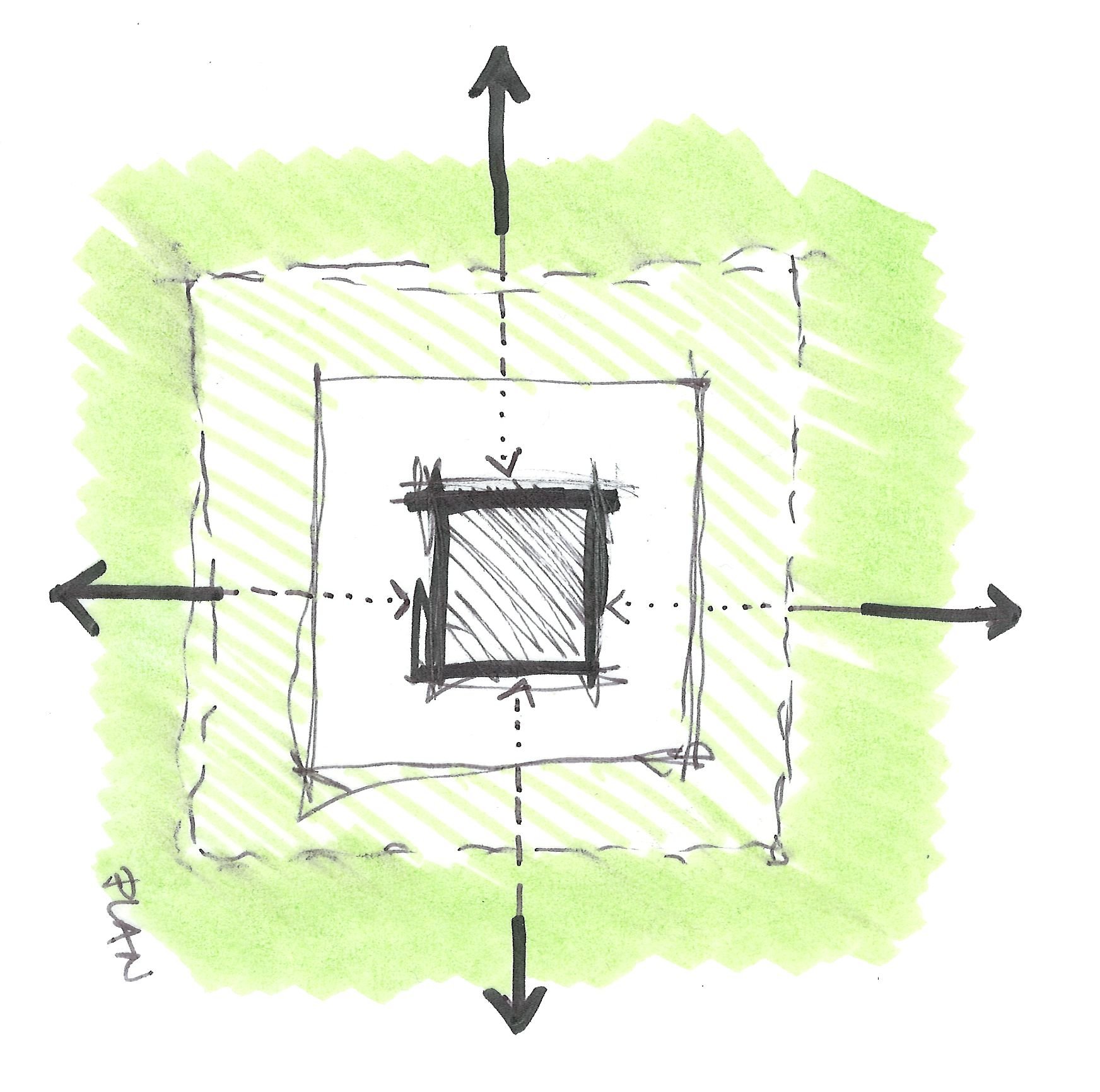
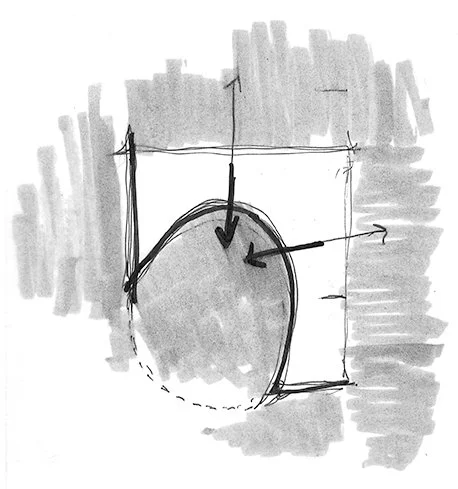
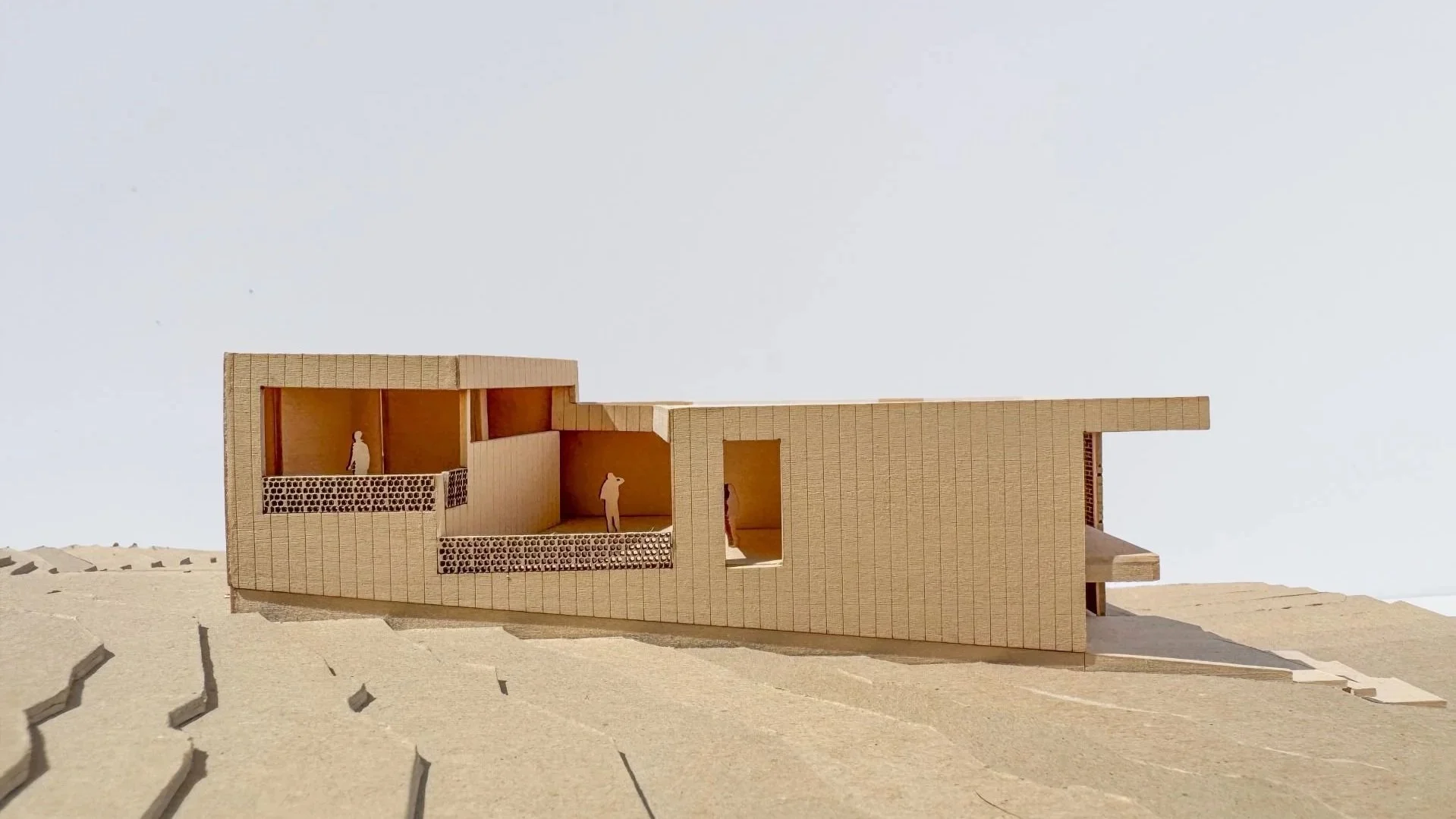
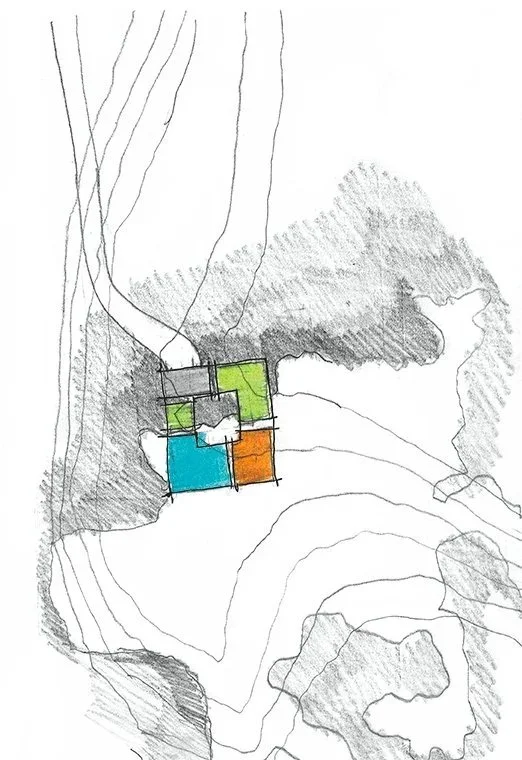
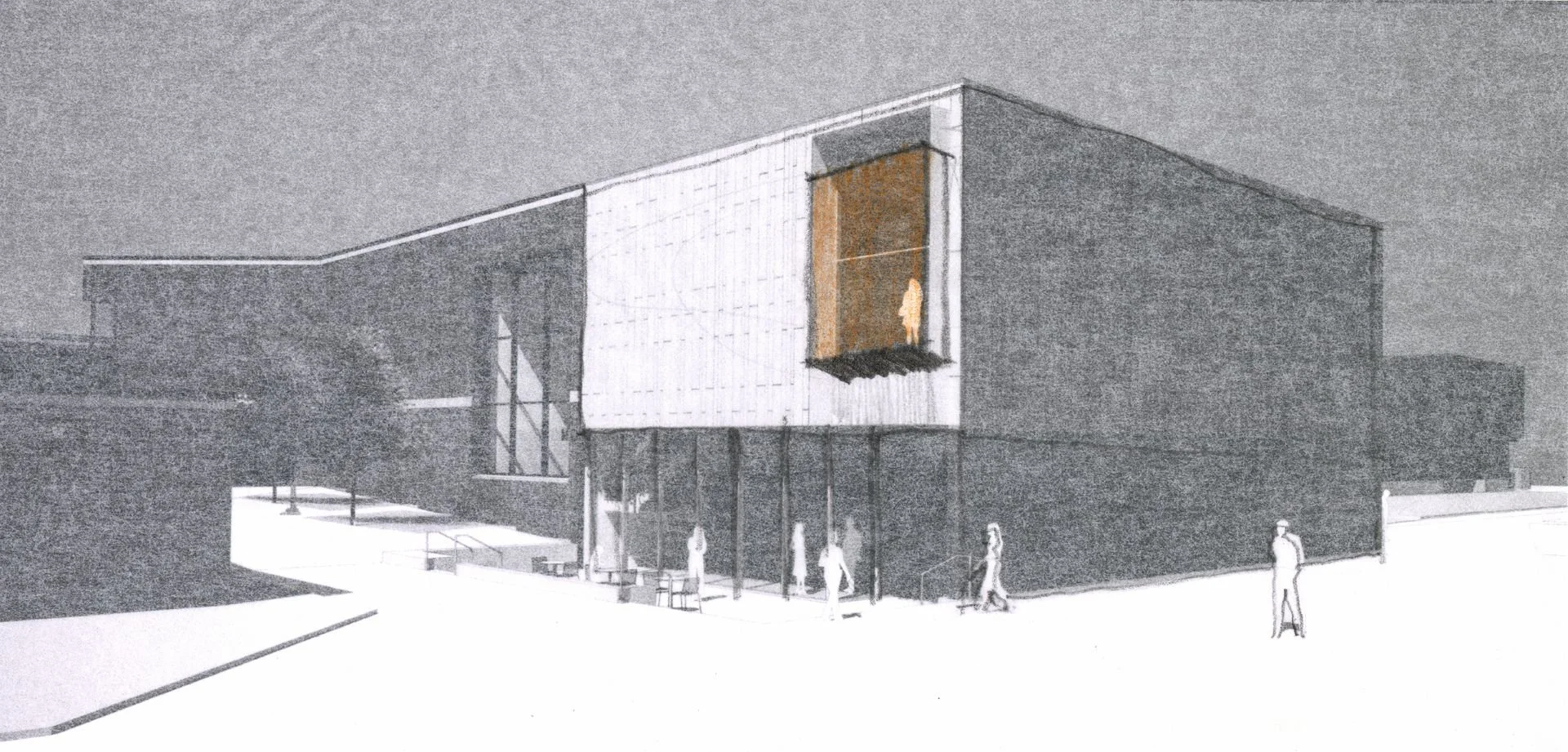
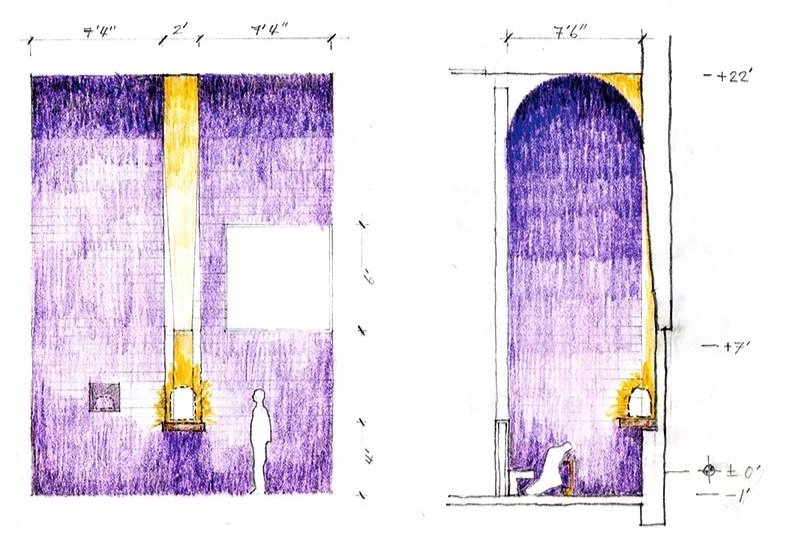
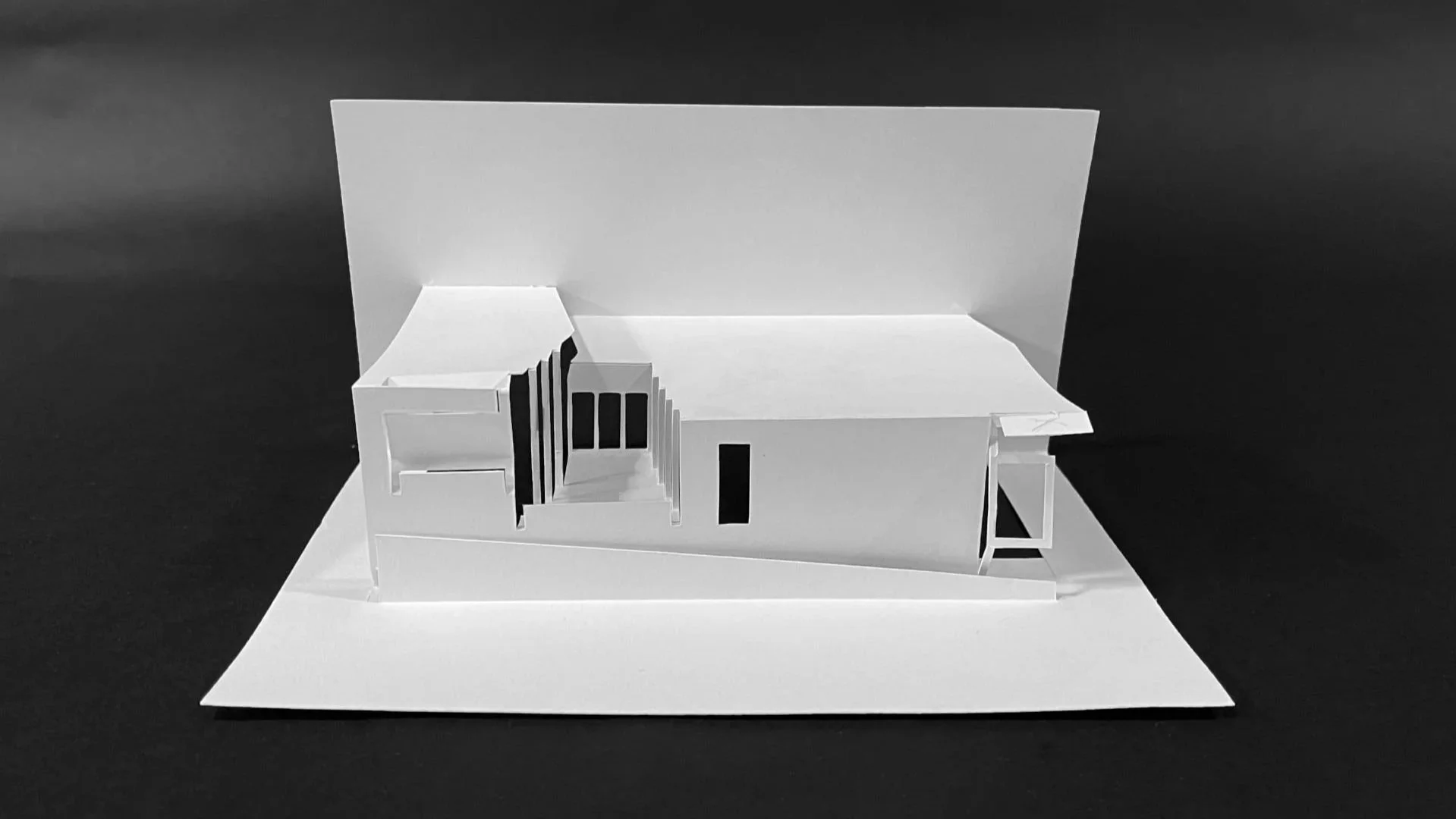
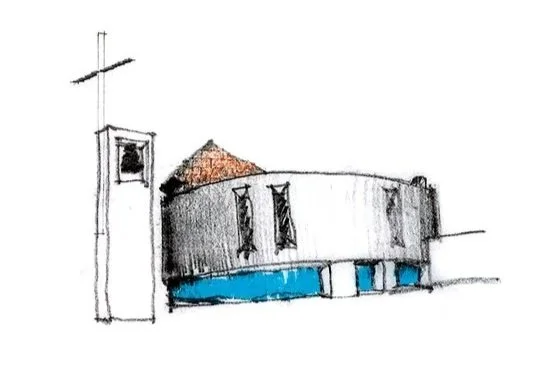
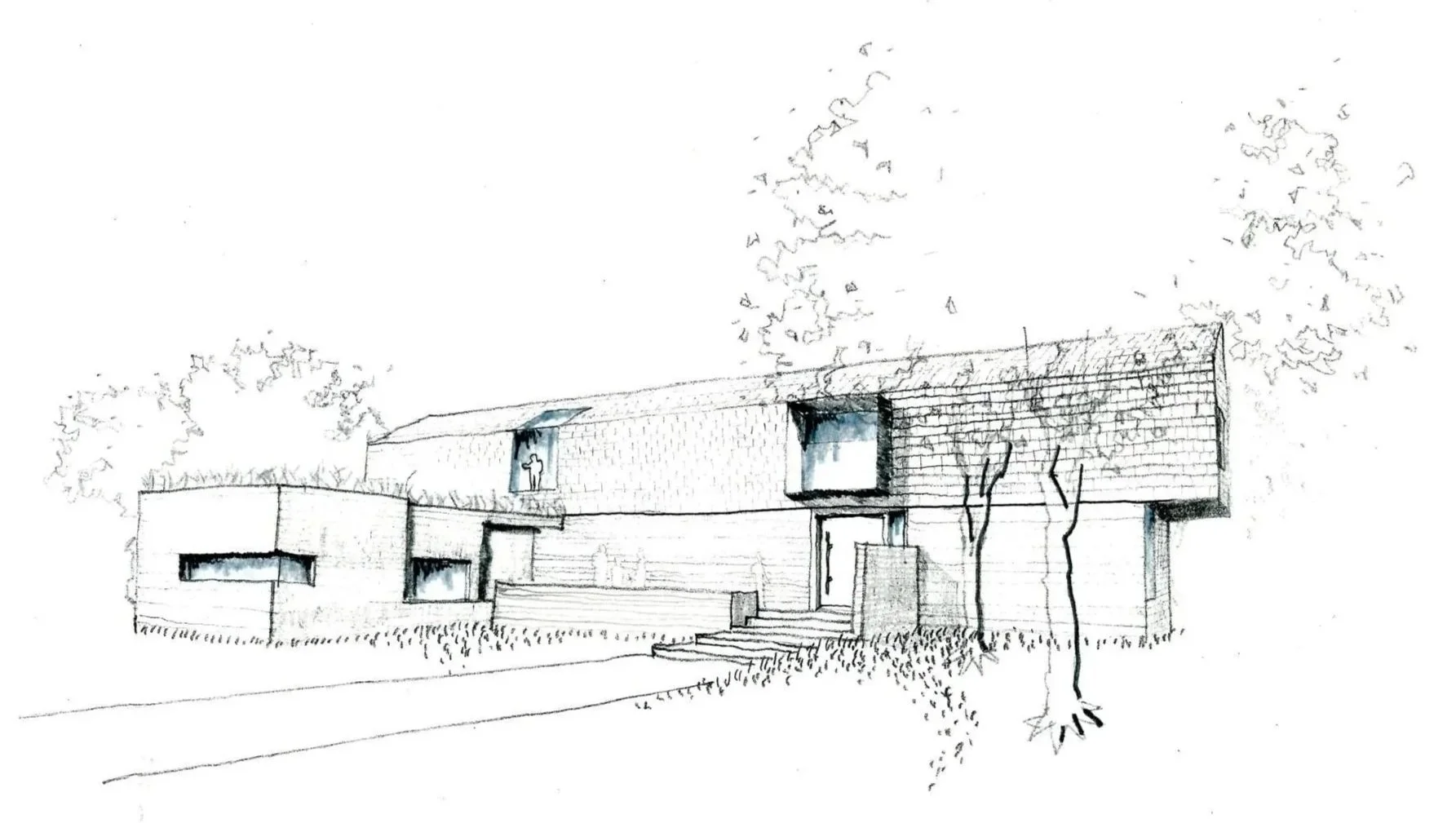
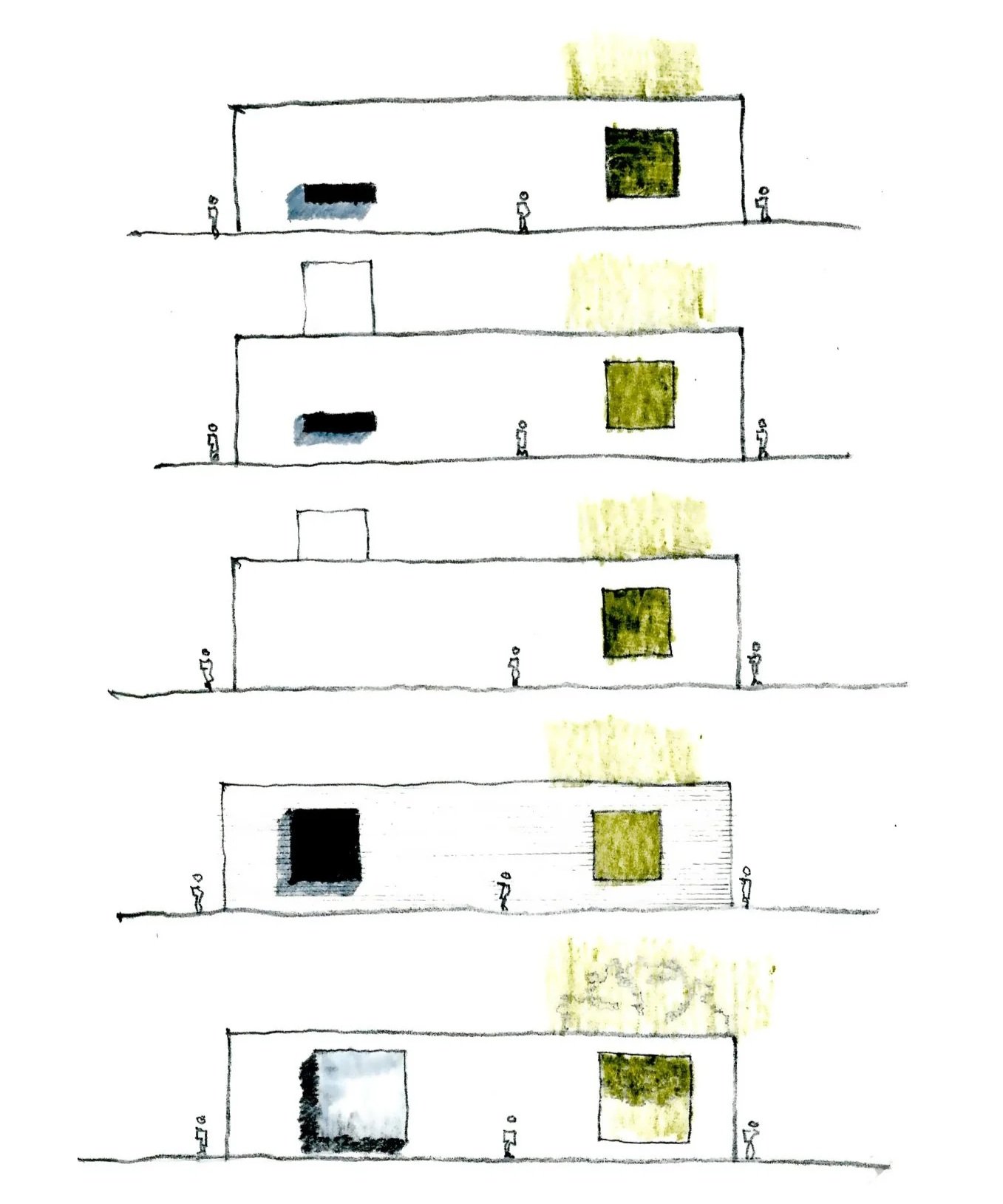
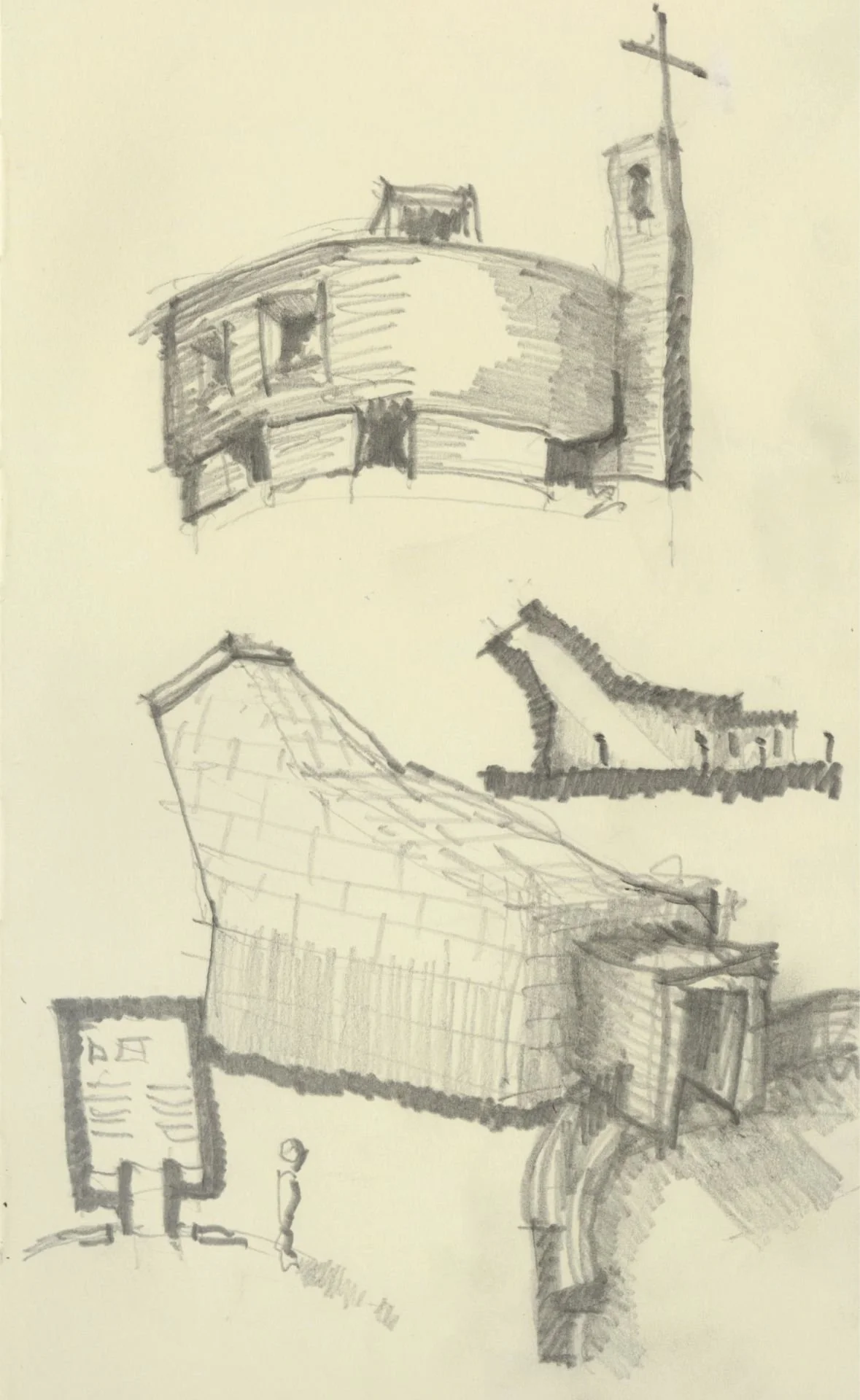
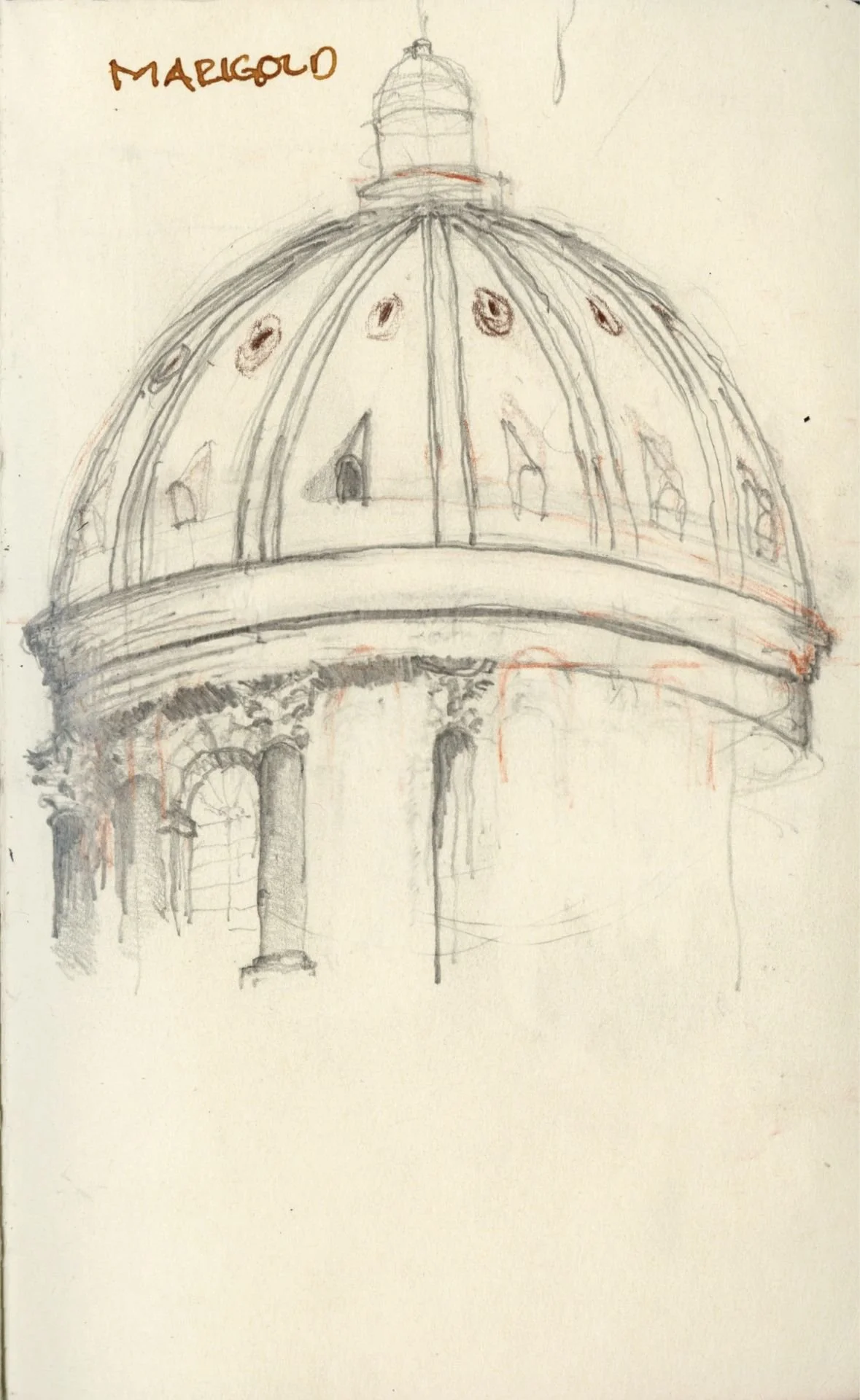
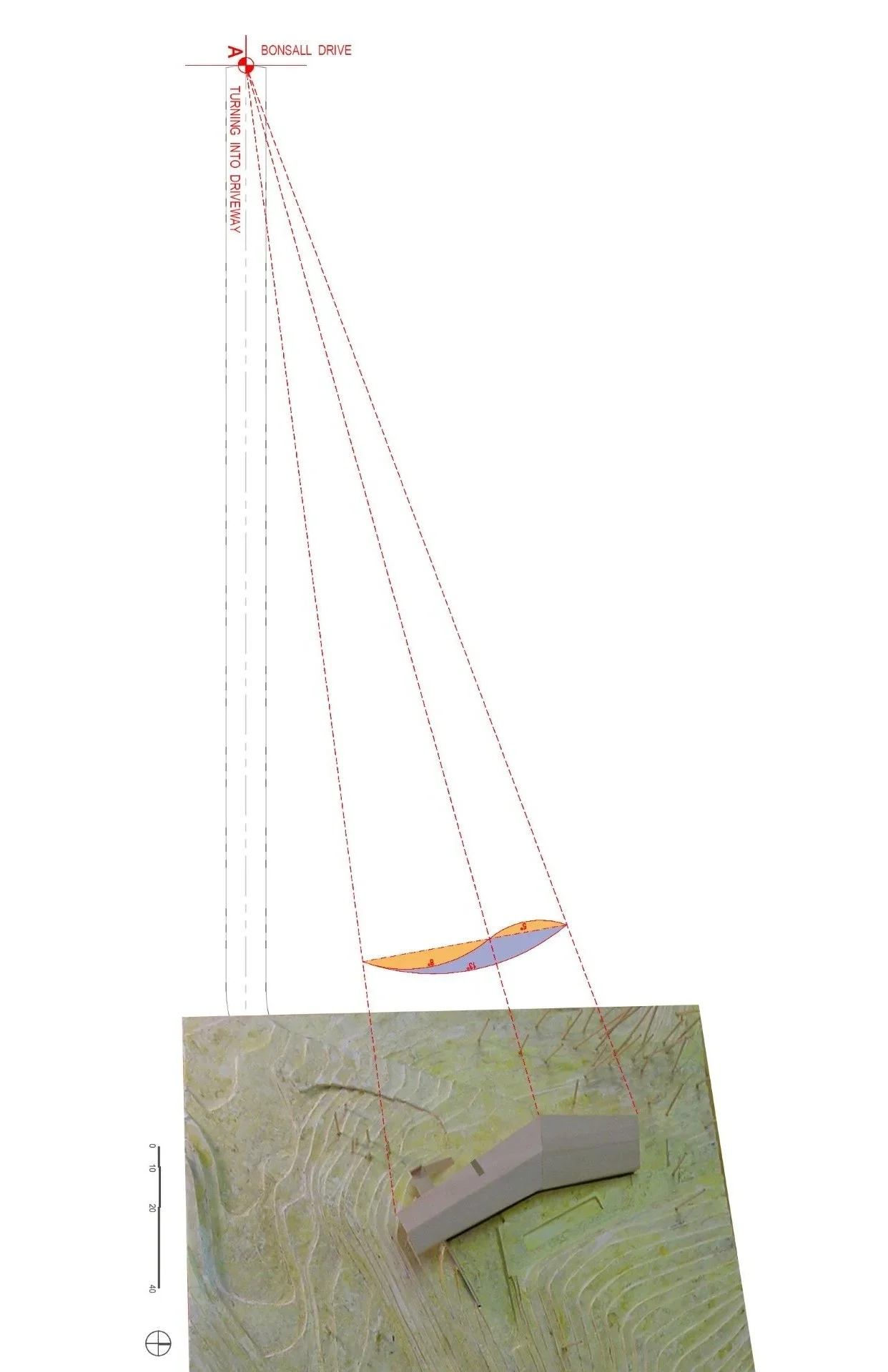
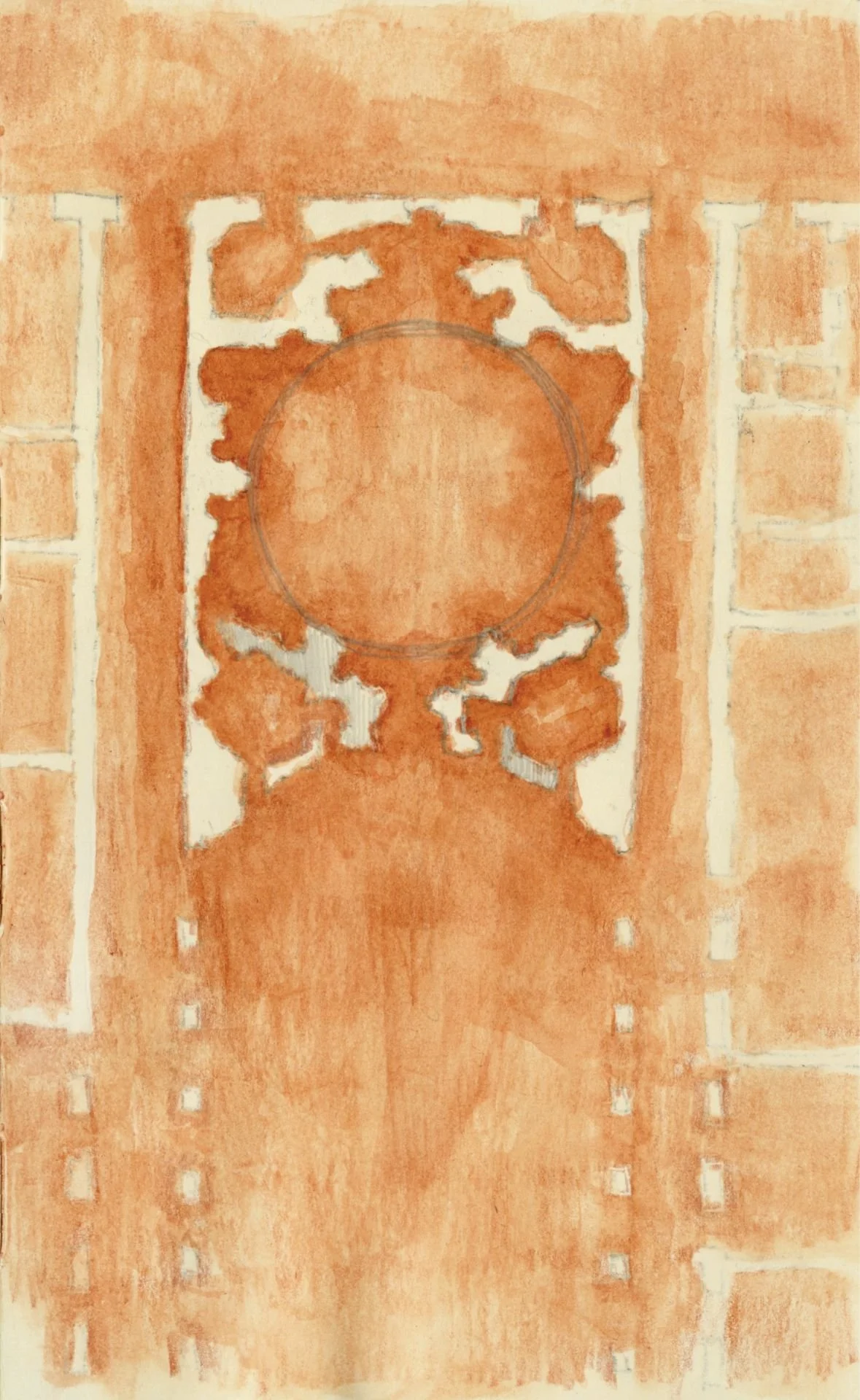
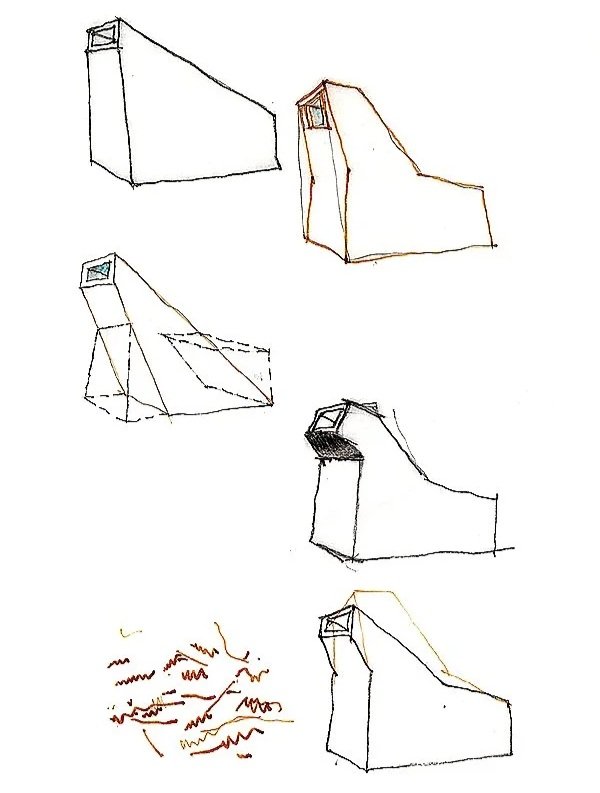
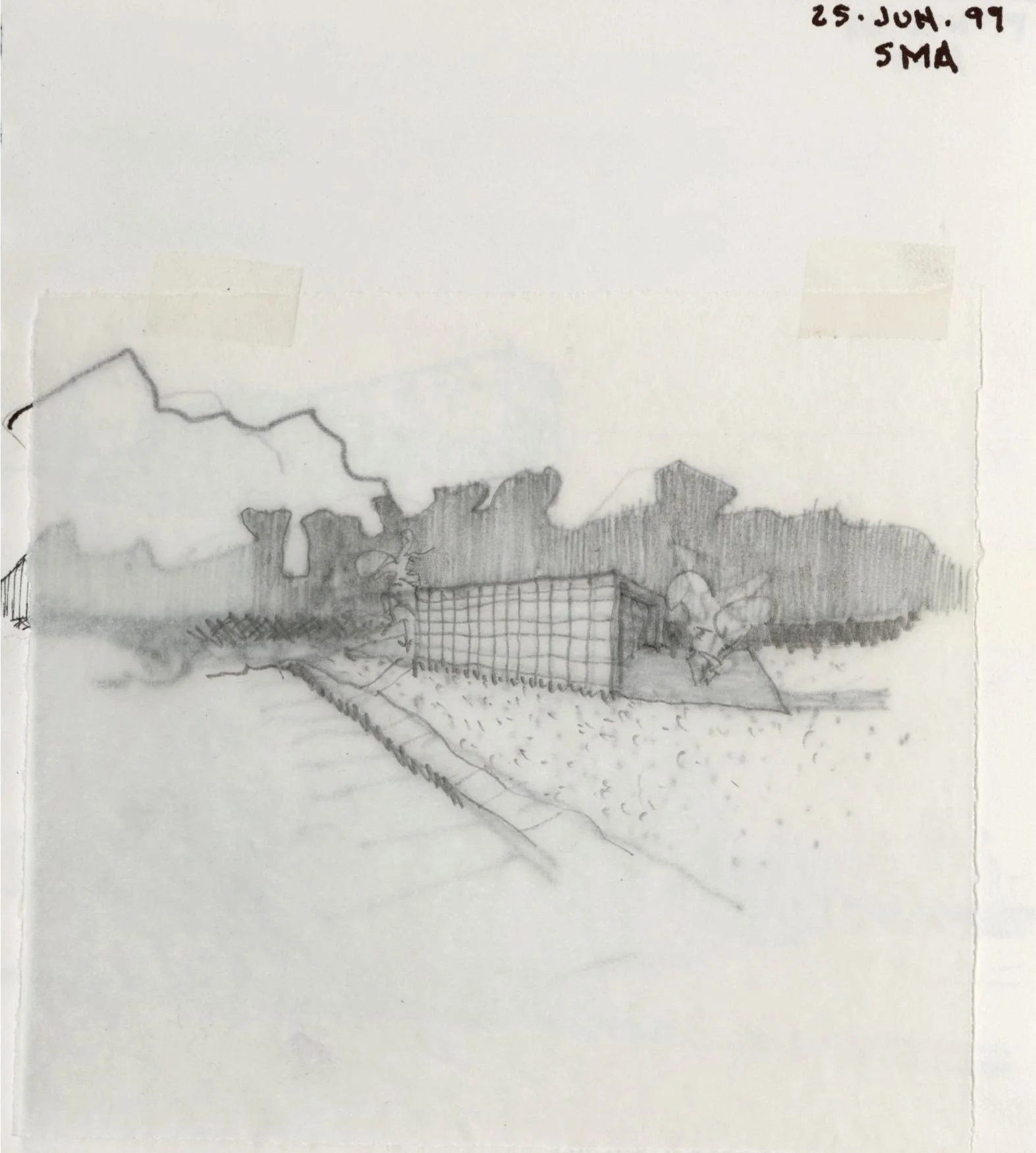
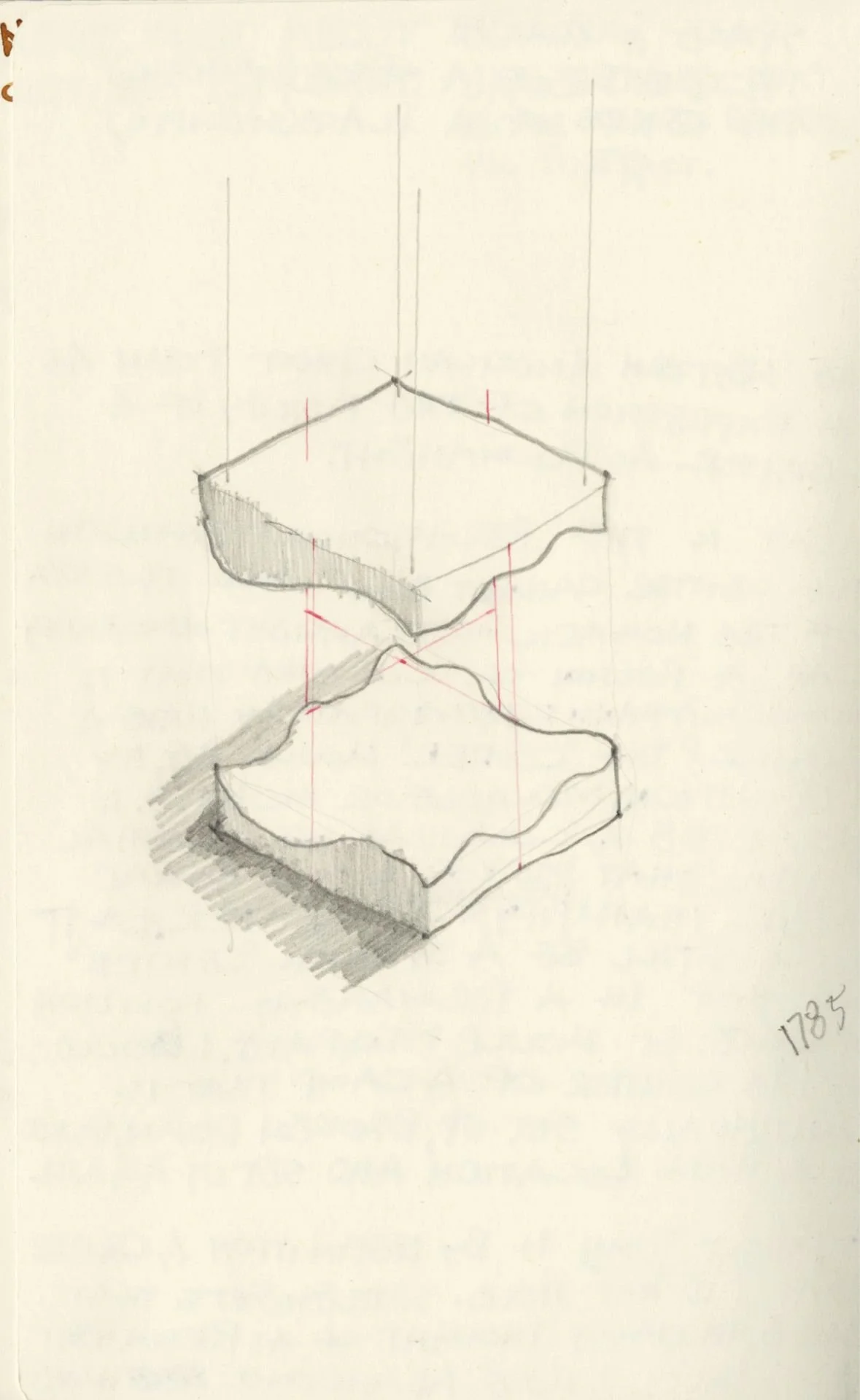
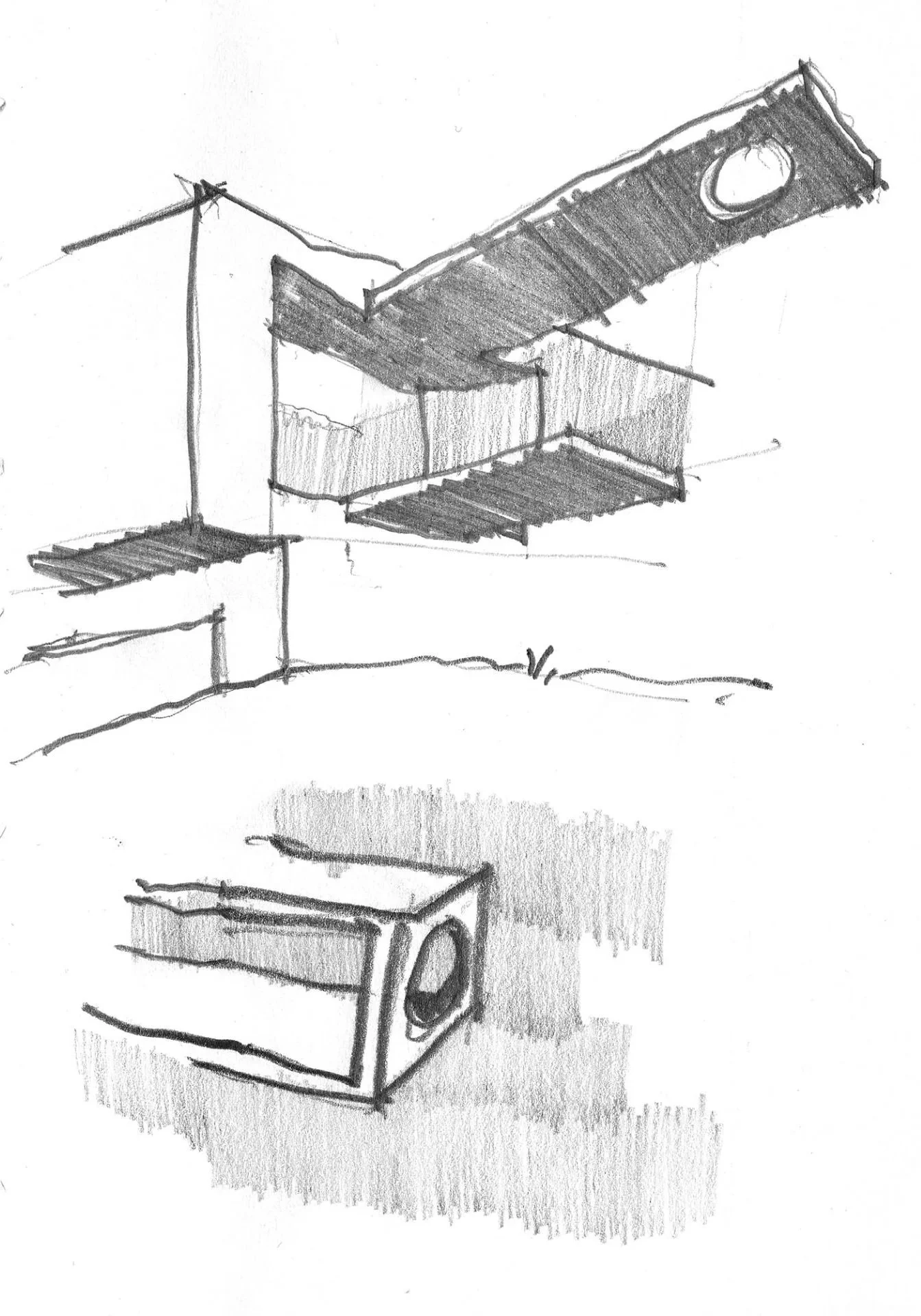
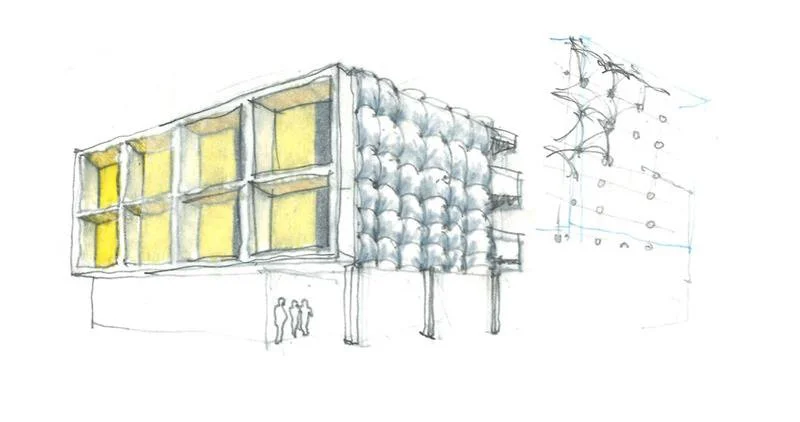
The images below are a sample of the broad range of exploratory sketches, constructs and process work our team generates as our ideas are conceptualized, tested and iterated during the design process. This heuristic process enables our architects to develop truly novel solutions deeply grounded in the project research.