
DENISE SCOTT BROWN
FROM VENICE BEACH TO THE VENICE ARCHITECTURE BIENNALE: The “Wayward Eye” of Denise Scott Brown
OCTOBER 17, 2016
Every two years, the international architecture community comes together for a truly inspirational presentation: the Venice Architecture Biennale. Held in Venice, Italy, the 2016 edition runs from May 28th until November 27th, and includes 88 participants from 37 countries, as well as 62 national participants and a curated selection of associated events. The Biennale is truly THE place to engage with cutting-edge, thought-provoking architecture – which is why, when Anne Mooney and John Sparano recently visited Venice, they understandably made the Biennale the focus of their stay. Here, we present a blog series about their architectural discoveries…
If you are fortunate enough to find yourself living la dolce vita in Venice, Italy, this autumn, then embrace your inner culture vulture and meander to the Palazzo Mora: here, you’ll find a revelatory exhibition of works by architect, photographer, writer, educator and feminist icon Denise Scott Brown. As part of the Venice Architecture Biennale collateral event "Time, Space, Existence", the "Wayward Eye – The Photography of Denise Scott Brown" exhibition is designed and curated by Scott Brown and chronicles two formative decades of photographing cities from Venice, Italy, to Venice, California. Hosted with the European Cultural Centre, the exhibition showcases Scott Brown’s acclaimed photographic works, which will also be featured in a forthcoming publication by Metropolis Books. Sparano + Mooney Architecture offers sustainable, contemporary architecture and design to our clients from offices in Los Angeles, California, and Salt Lake City, Utah, so we were particularly interested in this exhibition of works that in part examines our roots in the American West.
Scott Brown has been unquestionably prolific in her architecture and planning career that has spanned six decades. Principal of the firm Venturi, Scott Brown and Associates in Philadelphia, she is regarded as one of the most influential architects of the 20th and 21st centuries due to her award-winning design practice, theoretical writings and teachings. Though her built work has garnered acclaim as an architect, she is perhaps best known for her legendary studio course and book with Steven Izenour and Robert Venturi, titled Learning from Las Vegas: the Forgotten Symbolism of Architectural Form, in which the visionary architects sought to capture the vibrant architecture and culture of Sin City – “things that would shock you and open up your eyes and might make you aesthetically more sensitive”, reflects Scott Brown. The photographs within Learning from Las Vegas
The photographs within Learning from Las Vegas speak to Scott Brown’s persistent relationship with capturing mundane aspects within urban life: “I shot commercial architecture built for quick returns, social succession and invasion, machine romanticism, freeway lyricism, violent juxtapositions between freeways, pylons, and rural cottages, symbolic communication by architecture and signage, and interesting activities and ways of life – a mash of 1960s urbanism”, Scott Brown explains. Through this architect’s camera’s lens, she had begun to do more than just record, she had started to analyze.
This approach also informed Scott Brown’s teachings, which have undeniably influenced generations of architecture students and aficionados alike. “Students in architecture need concrete examples to understand concepts like ‘symbol in space before form in space’. My aim was not to answer questions but to help students learn to seek answers” she has explained. Scott Brown’s own search began when she was a student herself, visiting Venice, Italy, with her first husband Robert Scott Brown for the Congrès International d’Architecture Modern (CIAM) Summer School in 1956. During this Grand Tour, she learned to reconsider her photographs within a broader geographical, political and socio-economic framework. From Italy, her next stop was the American Southwest in the 1960s: Muscle Beach, Santa Monica, Las Vegas – arid landscapes and sun-bleached vernacular architecture inundated with radiant signage promoting the American dream. So many of these images have become iconic in their own right, but Scott Brown insists they are not works of art. “I’m not a photographer,” she states. “I shoot for architecture – if there’s art here it’s a by-product. Yet the images stand alone. Judge what you see”.
"Wayward Eye – The Photography of Denise Scott Brown" is on view as part of "Time, Space, Existence" at the Venice Architecture Biennale, Palazzo Mora. Until November 27th, 2016.
PULSAR HOUSE PROJECT AWARD
A STAR IS BORN: Pulsar House Project Wins 2016 Design Arts Utah Award
OCTOBER 11, 2016
Sparano + Mooney Architecture is delighted to announce that our Pulsar House Project has been recognized with a 2016 DesignArts Utah Award! The Utah Division of Arts + Museums DesignArts Program is dedicated to the promotion of excellence in the diverse fields of architecture, graphic and industrial design in Utah. They strive to help the citizens of Utah see, experience, use and value the art of design that surrounds us daily – we are honored that our architects were chosen as a recipient of this year’s award!
Creating a design for a client’s new home is always a great opportunity for an architect. For this house, an investigation into pulsars (short for pulsating radio star) formed the conceptual foundation of this residential architecture project. Pulsars are highly magnetized, rotating neutron stars that emit a beam of electromagnetic radiation. Observations of a pulsar in a binary neutron star system were used to indirectly confirm the existence of gravitational radiation. This residential project was designed for a pilot who envisioned an ultra-modern house on earth, connected to the stars.
Our team analyzed the activity of two particular pulsars, the Crab Nebula (catalogue designations M1, NGC 1952, Taurus A) and Vela Pulsar (PSR J0835-4510 or PSR B0833-45) on the date of August 16th, 2010, a day that the client wished to commemorate through the architecture of his mountain home. The forms were generated to highlight the physical relationships between each pulsar trail and the mountain site located in a canyon between Salt Lake City and Park City, Utah.
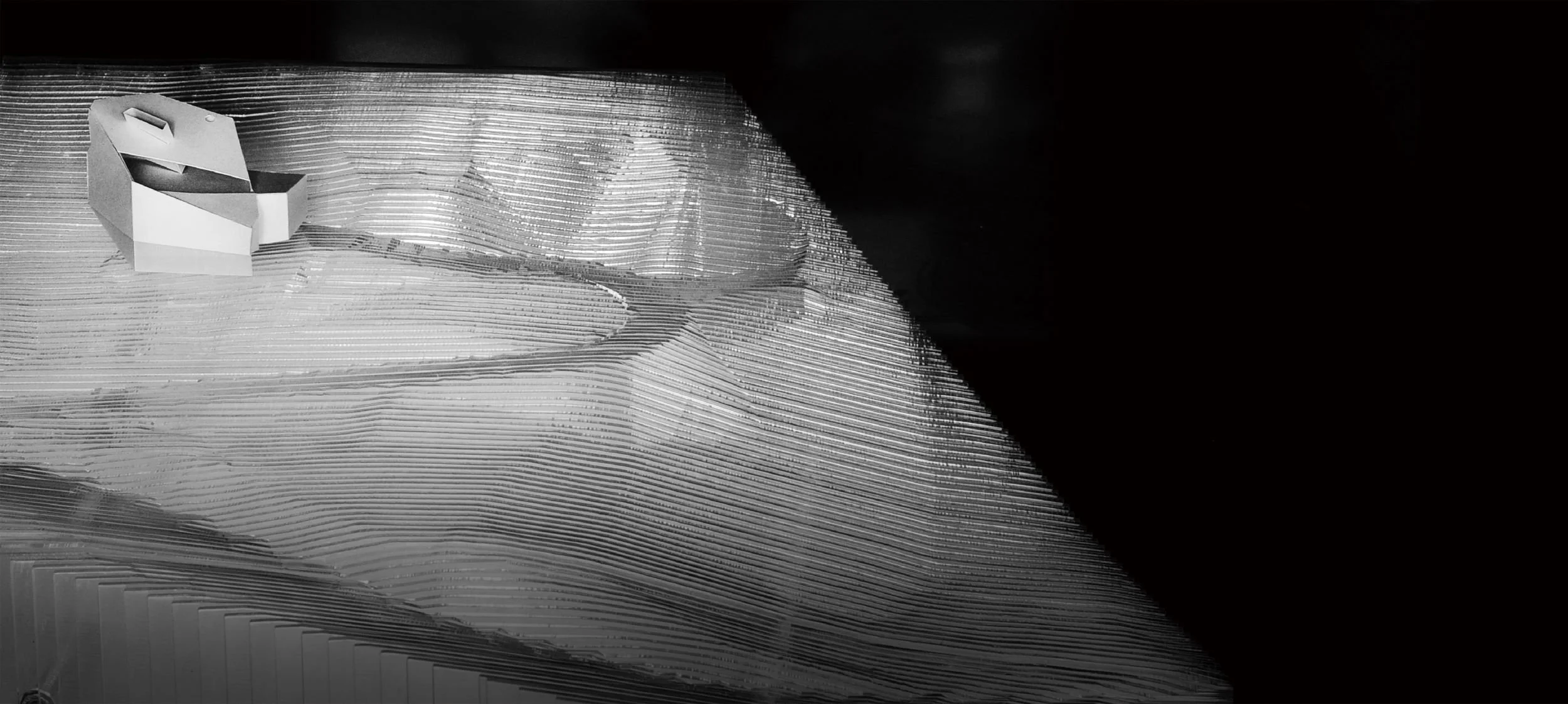
In a series of physical study models for the architecture, each pulsar trail is represented as the centerline of the negative space, the magnitude of the pulsar defines the lofting boundary of the centerline, and the geological location of the site is shown as the original 4” x 4” x 4” volume. At the same time our architects developed digital models – full scale in the computer – to study the form and precisely model the spaces and interior experience. In the programming studies for the house, the pulsar trail acts as a timeline moving through each scene of the client’s daily activities. These events are all connected accurately in the architectural plan and the cross sections with the pulsar location at a specific moment. The final massing is a combination of TIME (programming study) and SPACE (formal study).
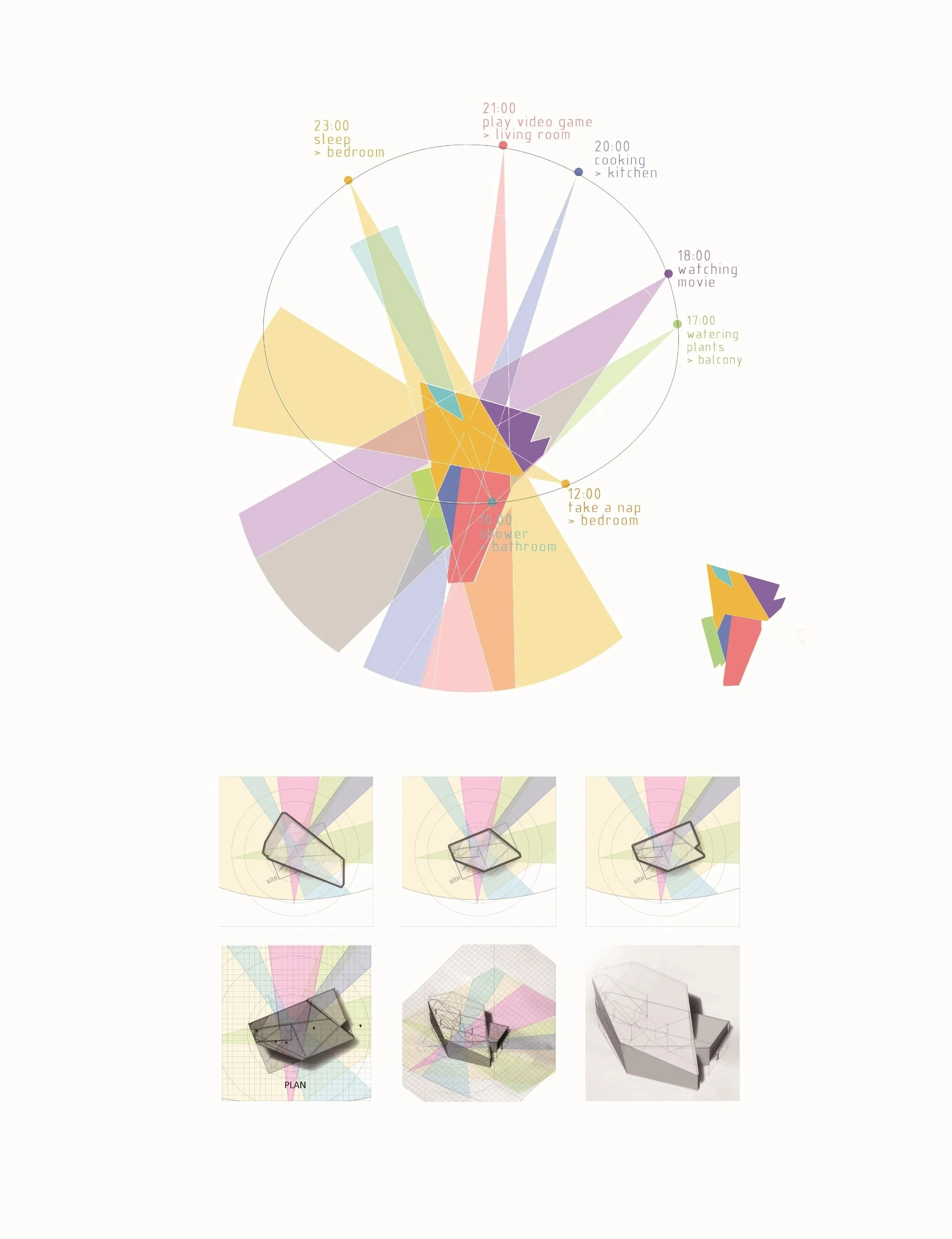
The architectural design process incorporated this body of research with broader investigations of the solar system, and generated residential architecture that is simultaneously site specific and universally grounded. In responding to the mountain site, we positioned the form of the house straddling the ridgeline, engaged with the slope at the high end of the site and floating above the land as it falls away, and the linear windows on the façades are meticulously designed to create a dramatic projection effect provided by natural sunlight, which changes continuously according to the time of day and seasons. We selected metal as the façade finish, which has a patina of age, sustainability, recycling and adaptive re-use. This material is also an ideal architectural response to the local climate in Utah.
The architects at Sparano + Mooney are over the moon with the award, and we invite you learn more about the project by visiting an exhibition showcasing this design and all of the other 2016 DesignArts Award winners. The DesignArts Utah ’16 Exhibition will be held September 9th – October 21st, 2016 in the Rio Gallery at the historic Rio Grande Train Station in downtown Salt Lake City. The exhibition closing reception and celebration is October 21st, 2016 from 6-9pm and will coincide with Salt Lake Design Week and Salt Lake Gallery Stroll at the Rio Gallery. Then let us know if you are ready for our architects to design a one-of-a-kind work of architecture for your residential project in Park City, Salt Lake City or Los Angeles!
FIRM OF THE YEAR!
SPARANO + MOONEY ARCHITECTURE IS NAMED AIA WESTERN MOUNTAIN REGION FIRM OF THE YEAR!
OCTOBER 11, 2016
Sparano + Mooney Architecture is honored to announce that it has been awarded the American Institute of Architects Western Mountain Region Architectural Firm of the Year for 2016!
Each year, the AIA Western Mountain Region recognizes substantial achievements by an architectural practice in the western United States who embodies the cause of creating an excellent built environment. The prestigious Firm of the Year Award identifies the continuing collaboration among individuals in a firm who have produced distinguished architecture over a period of at least 10 years, have made significant contributions to the AIA, the profession and their community, and have transcended their regional boundaries in making these contributions. Significantly, this year’s award is the first ever to recognize a Utah architect for the Firm of the Year in the 37-year history of the AIA Western Mountain Region Honor Awards. Based in Washington, D.C., the American Institute of Architects has been the leading professional membership association for licensed architects, emerging architectural professionals, and allied partners since 1857. With nearly 300 state and local chapters, the AIA serves as a voice of the architecture profession and the resource for architects and its members in service to society.
Principal architects John P. Sparano, FAIA, NCARB, and Anne G. Mooney, AIA, NCARB, LEED AP, formed Sparano + Mooney Architecture in 1997. From their award-winning studios in Salt Lake City, Utah, and Los Angeles, California, the firm collectively and architects individually draw inspiration from the context of the American West. The region’s unique history, landscape, materials, architecture and culture has deeply informed and inspired the firm’s architecture which has been commissioned by clients in Utah, Wyoming, Montana, New Mexico, Colorado and California. Significant project types include art museums, cultural centers, performing arts projects, recreation and resort projects, institutional and commercial work and private residences in Park City, Los Angeles, Denver, Santa Fe and Salt Lake City. Sparano + Mooney Architecture is a practice that believes in the potential of the American West as a point of departure for world class design and has consistently produced a body of work dedicated to contributing to the elevation of a strong regional design movement.
In addition to numerous local, regional and national design awards for built and conceptual work, Sparano + Mooney Architecture has previously been recognized with election to the AIA College of Fellows (John Sparano, 2015), the AIA Western Mountain Region Young Architect of the Year Award (Anne Mooney, 2014), the AIA Utah Bronze Medal Award (John Sparano, 2013) and the AIA Utah Architectural Firm of the Year Award (2012). The Salt Lake City architects have design work that can currently be seen in an exhibition at the Rio Gallery in Salt Lake City until October 21, 2016.
Congratulations to the Sparano + Mooney Architecture team for this monumental achievement, and thank you to our visionary colleagues and clients for your dedication and contributions to the firm and our work together!
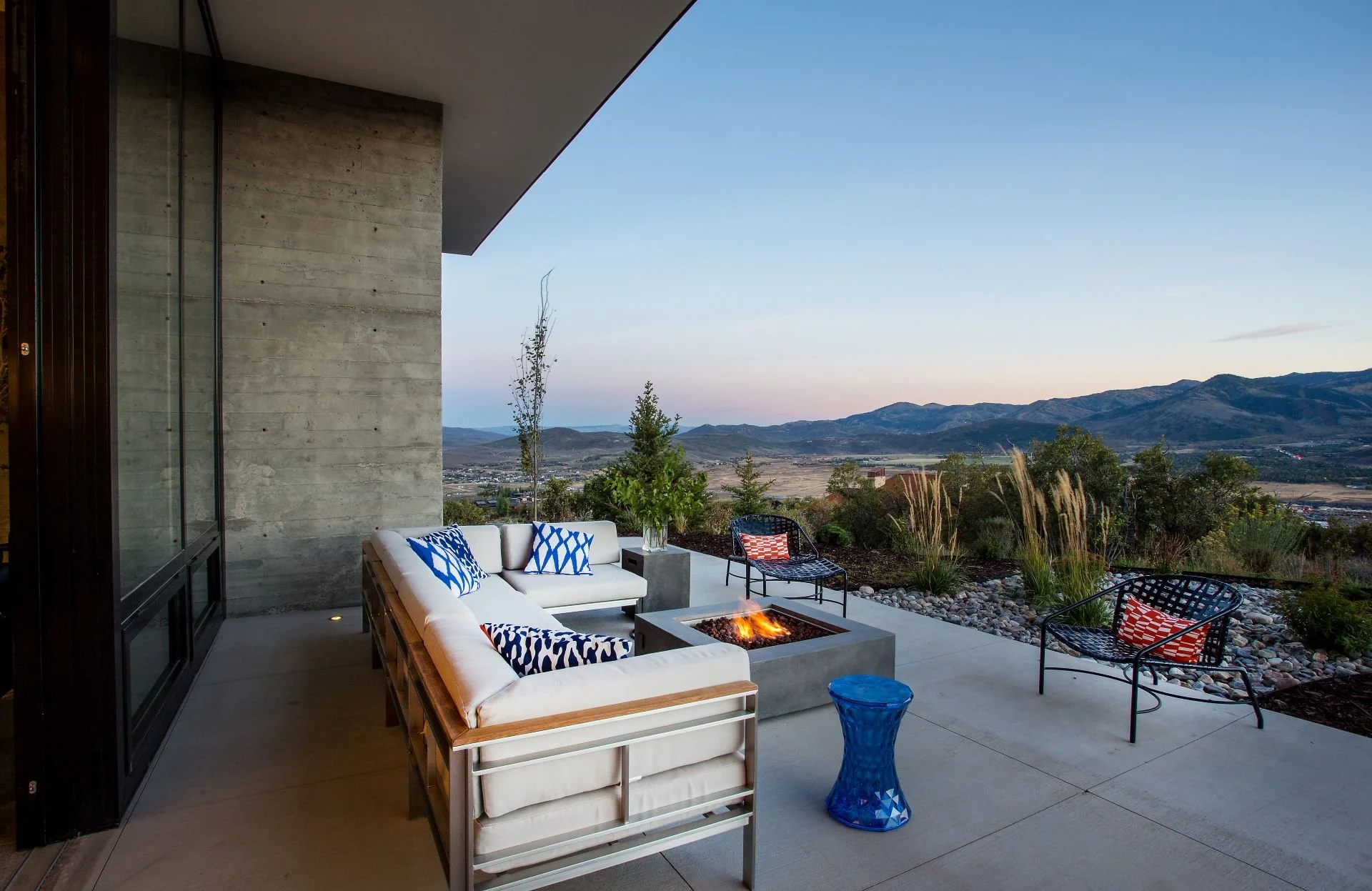
PARK CITY MODERN ON UTAH STYLE + DESIGN COVER
PARK CITY ARCHITECTURE DESIGNED BY SPARANO + MOONEY ARCHITECTURE IS FEATURED ON THE COVER OF UTAH STYLE + DESIGN, SUMMER 2016
SEPTEMBER 19, 2016
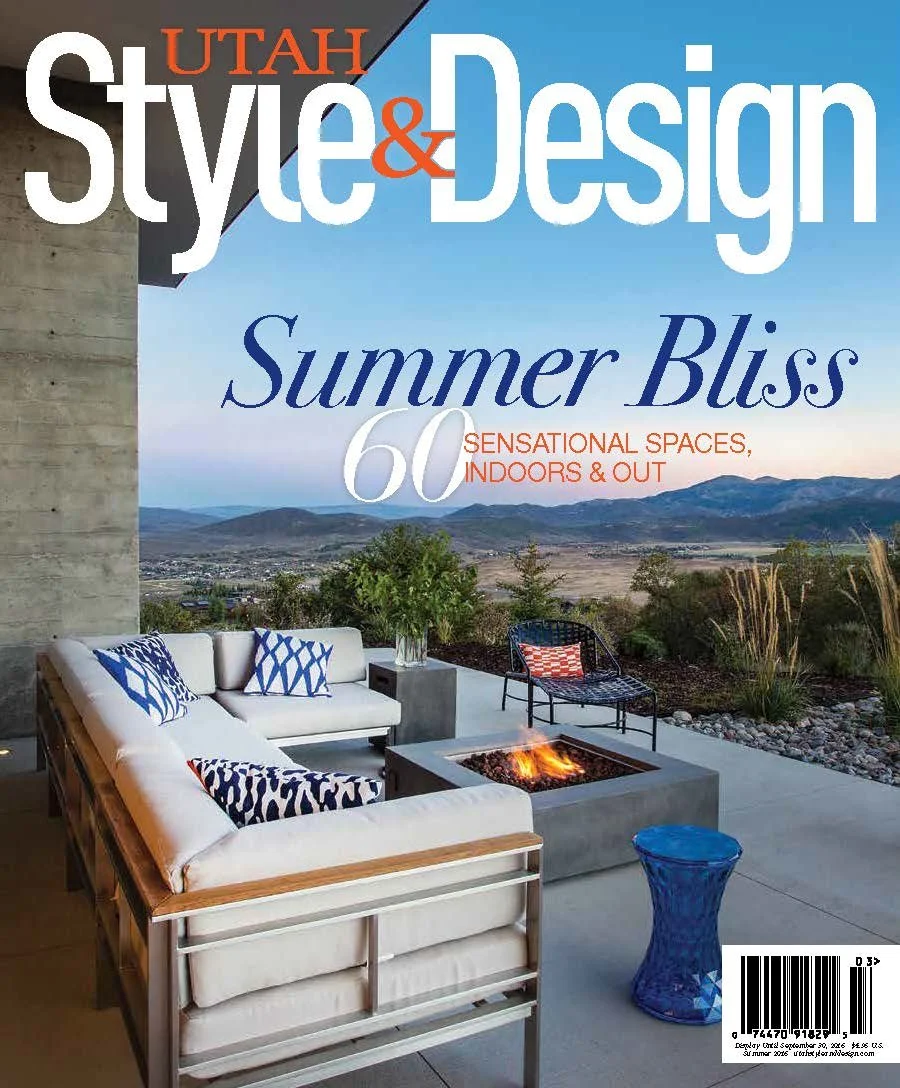
If you are looking for a pleasant way to pass time indoors as the seasons change, look no further than the Summer 2016 issue of Utah Style + Design - a Park City modern home designed by Sparano + Mooney Architecture has been featured on the cover!
The corresponding article, “Opening Act”, written by Natalie Taylor and photographed by Scot Zimmerman, showcases the “strikingly beautiful” contemporary residence, which “combines dynamic architecture with high-style livability and sustainability”. The clients were clear about choosing the right Park City architect and about their must-haves: “We wanted a relatively quiet house with no duplicate spaces. It was critical that the house feels like it belongs on the land and that it fits peacefully into its environment without feeling forced”.
Located in a mountain setting with views of Park City Mountain Resort, the Utah Winter Olympic Park and the Glenwild Golf Course, the architecture and design approach to this mountain modern home sought to embed the architecture into its site. Exterior materials are both rough and refined: a highly textured board-formed concrete wall is capped with smooth wood panels and glazed surfaces above. These materials reference the highly textured scrub oak prevalent at the site under an expansive western sky. The vegetated rooftop incorporates native plant materials and will mirror the surrounding landscape each season: from the snow in winter to green in the spring to muted brown and yellow tones of late summer.
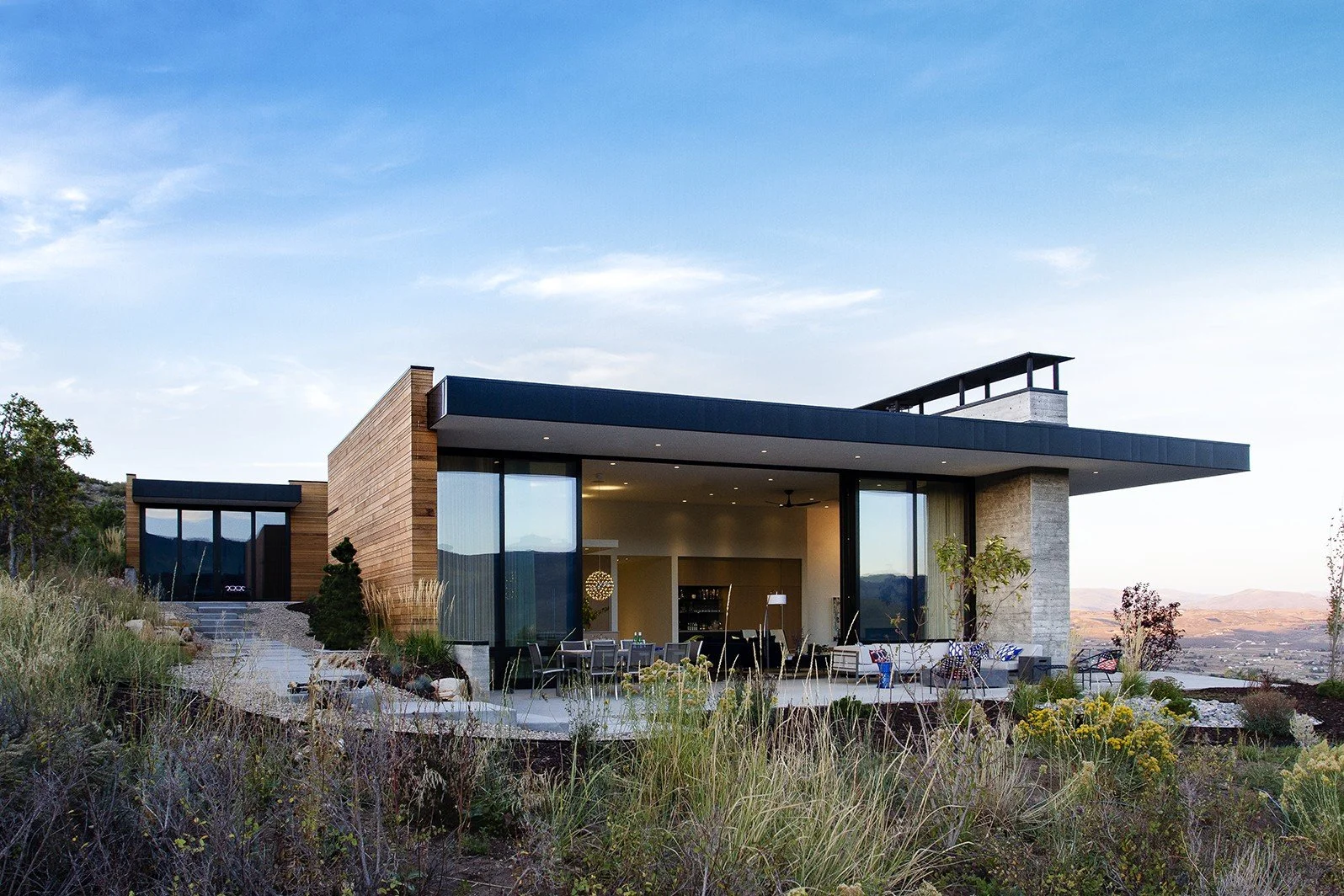
The house celebrates Utah’s brilliant light and raw beauty as nature provided the architectural inspiration. As architect Anne Mooney explains in the article, “Utah has incredible environmental scale and you want spaces that refer to the mountains, the sky and the horizon. But in a home, you want more personal, human scaled spaces”. The siting therefore maximizes its passive solar orientation bringing light deep into the house in the winter and shading the living spaces through well-considered overhangs in the summer. Outdoor living spaces are integrated adjacent to the master suite and great room and a rooftop deck that overlooks a nearby golf course. The green Park City home, has been certified LEED Gold, and incorporates renewable energy with a ground-source heat pump and high performance, energy efficient building systems.
Sparano + Mooney Architecture is delighted to have been able to work with the client to deliver a beautiful, livable mountain modern home and to have contributed positively to the Utah architectural landscape. And, we are honored to have been featured in Utah Style + Design, which continually showcases the best of Utah and the mountain west’s design, architecture and dining, as well as entertaining ideas for living the good life at home. The magazine features unique and beautiful interiors, decorative treatments, lush landscapes, inspiring entertaining ideas and provocative residential and commercial architecture. Published with the discerning homeowner in mind, this award-winning magazine provides its readers with innovative ideas and interesting stories, insightful writing and lavish full-color photography, sharing the best of Utah style throughout the state and beyond. A big thank you to the magazine for including us and our work as architects serving Park City in this category!

EXHIBITION: DOUG AITKEN AT LA MOCA
ELECTRIC EARTH: The Modern Narrative of Doug Aitken at MOCA
SEPTEMBER 14, 2016
Sound and image bleed and fuse. The viewer sees, experiences and questions. Modern hyper-mobility and the relentlessness of human existence are served up in the guise of moving pictures. Such is the entropic landscape of the art works by Doug Aitken, which will be exhibited in a mid-career retrospective at the Geffen Contemporary at the Museum of Contemporary Art, Los Angeles (MOCA). The show will be the first North American museum survey of Aitken’s work and will include seven large-scale video installations, a recent live sound piece and several cross-disciplinary, multimedia artworks that, in typical Aitken fashion, defy acute categorization.
For over twenty years, Aitken has misaligned our perception of locality and representation. His works, which include films, musical explorations, architectural sculptures, collages, drawings, photographs, graphic design, publications, architectural works and cultural happenings, are at once optimistic, brutal and frenetic. An overwhelming sense of social atrophy belies any cozy familiarity. As Aitken states, his oeuvre “speaks of uninhabited places, ruins, remains of a place where time seems to possess a different pace”. Aitken imbues his works with intentional discomfort, a measure rooted in the need to explore his thematic interest in human, urban, architectural and environmental decay. The 2009 outdoor installation titled Sonic Pavilion, in which Aitken dug a 700-foot-deep hole in the Brazilian rainforest in order to record the imperceptible sound of tectonic plates shifting, was a sophisticated yet subtle effort to disrupt listeners’ surefootedness. The micro-noises and reverberations were powerful, unsettling reminders of a constant transference taking place not only in nature, but within ourselves.
This vulnerability of the social and individual condition, as well as the theme of post-industrial abandonment, punctuate Aitken’s work. He is enthralled by the ephemeral, collective digital consciousness that characterizes our image-based contemporary (dis)order. These questions of alienation, abjection and shifts in contemporary existence are all addressed in pieces such as Station to Station (2013), Altered Earth (2012), Black Mirror (2011), and migration (empire), a 2008 multichannel video depicting wild animals devouring, nudging and frolicking in dated, lonely motel rooms across the nation. The surrealist vignettes – one of which sees a horse standing near a television playing a video of another horse running wild, and another an unruly buffalo boxing with the bedspread and accent lamps – are, as Aitken explains “almost like a survey of the landscape…It’s a cinematic portrayal of an idea that’s somewhat fictional, futuristic, yet set within our current reality”.
A Los Angeles native, Aitken is pleased to be able to present his work to a more local audience than other installations have allowed; he has shown works internationally at venues including a disused warehouse in Arles, France, and the Venice Biennale, but his exhibition at MOCA, within the architecturally cavernous 40,000SF Geffen Contemporary, is on his own turf. “My work has always existed elsewhere – Europe, New York – and not in Los Angeles”, Aitken says of his larger-scale pieces. “So to have this period of time to be able to share them and show them from this landscape that I live in and with this community that I feel so close to, I’m really grateful”. The exhibition will intentionally reinvent past installations for the museum so that the Geffen itself evolves into another of Aitken’s immersive artworks that he calls “a film set of the mind”. The exhibition, like Aitken’s work itself, will surely be an unorthodox narrative – be prepared to act outside of your own preconceptions and to author your own experience. “How can we see [the museum] as a kind of living, breathing space where the viewer feels empowered? Where it’s always evolving, always moving forward?”
Doug Aitken’s “Electric Earth” is on view September 10, 2016 – January 15, 2017 at the Geffen Contemporary at MOCA before opening at the Modern Art Museum, Fort Worth in May 2017.

SALT LAKE CULTURAL CORE: INTRODUCTION
AN INTRODUCTION TO THE SALT LAKE CULTURAL CORE
AUGUST 29, 2016
Picture your perfect Saturday night: Does it include a musical performance at Abravanel Hall, followed by a stroll through downtown and a meal at one of the award-winning downtown restaurants, brewpubs or bistros? Or, perhaps it involves a ballet at the Janet Quinney Lawson Capitol Theater, stargazing at the Clark Planetarium, and an exhibition at the Utah Museum of Contemporary Art? A Utah Jazz basketball game? An outdoor film in Pioneer Park? There’s no question about it – Salt Lake City is a vibrant community, with a rich artistic, civic, cultural and religious heritage, and we are proud to be involved with making our downtown an even more dynamic and celebrated place to live, work and create!
Sparano + Mooney Architecture is working with a national team led by the Cultural Planning Group on the Salt Lake Cultural Core, a master planning initiative that seeks to be a catalyst for long-term development in Salt Lake City and Salt Lake County. The “Core” – an area stretching from North Temple to 400 South and from 600 West to 400 East – is identifiable as the heart of the city’s happenings, and the master plan intends to heighten civic pride in our downtown community and its offerings. Luckily for residents, both the City and County recognize the importance of having a vibrant, identifiable and distinct arts and cultural center to enhance quality of life and economic viability. Our team of architects are leading the placemaking, urban design and public art planning effort to infuse the City with great design experiences at multiple scales.
In 2010, the two local governments joined forces on the Cultural Core Interlocal and established a sales-tax based funding mechanism that could invest nearly $10 million over 20 years in Salt Lake City’s downtown Cultural Core. The original committee is working with the current consultant groups, including Sparano + Mooney Architecture, to develop a master plan that will help distribute funds and compliment the shared vision of creating a strong, vital downtown. The goal? Attract diverse local and out-of-state visitors and encourage engagement with our city’s artists, cultural and creative experiences. The key areas of investment include:
Programs to enliven the Core and attract varied audiences
Place-Making to strengthen the identity of the Cultural Core by enhancing physical and visual connections between venues and throughout the area of focus
Promotional Initiatives to build the region’s cultural brand and deliver actionable information to local residents and visitors
Significant input will be sought from community conversations and workshops with local architects, urban designers and practitioners, among other focus groups. We are excited to move forward with the planning and design of this Salt Lake Cultural Core Master Plan – if you have any ideas about what you’d like to see more of in your creative community, let us know!

CINDY SHERMAN
ART, IDENTITY, AND FEMININITY: New Work by Cindy Sherman at the BROAD MUSEUM, Los Angeles
AUGUST 22, 2016
In what light do you see yourself? What do you fear? How do you IDENTIFY? In a world that is increasingly dynamic, in which we sleep next to our mobile phones and swarm anonomously among an ever amassing population, our personal identities are more and more fluid, strained and undefinable. This condition is one that prolific New York-based artist Cindy Sherman is intimately familiar with, and seeks to address through her latest photographs, her first body of new work to be exhibited in five years.
In this series of portraits Sherman, true to her milieu, has appropriated the dress and appearance of fading starlets in an attempt to come to terms with her own ageing. Gloria Swanson and Greta Garbo take the stage, as do several leading ladies from Hollywood’s Golden Age. “I relate so much to these women”, Sherman explains. “They look like they’ve been through a lot, and they’re survivors. And you can see some of the pain in there, but they’re looking forward and moving on.”
Cindy Sherman’s oeuvre has seen her play a variety of roles: centerfolds, horror film victims, society darlings and even corpses. She shattered the contemporary art scene nearly 40 years ago with her acclaimed “Untitled Film Stills” series, black-and-white photos in which she transformed her own self into caricatures of B-movie neophytes. These young women, actresses presumably, appeared vulnerable and precarious as they teetered on the brink, their status of ingénue not yet cemented. Though Sherman once claimed that her portrayals were definitively not autobiographical, she has recently come to terms with the fact that the characters she has created indeed exhibit aspects of herself, even in her early work. The self-referential nature of her photographs is precisely what makes them so appealing; the viewer is able to see actively (and comparatively) how a woman’s identity has formed over time, and how it has been limited and shaped by the appropriation of images of other women. We as the viewer ask, “Who Am I?”
This play on postmodern femininity, the body politic, and gender identity is one that has summarized Sherman’s work since the start of her career. In the past, Sherman has obliterated her “self” in favor of shape-shifting into other, anonymous cartoons of the women she wanted to represent; in her current work, however, she boldly embodies the women she portrays. In all of her humanity, Sherman is present here. Do these women feel regret? Doubt? Does Sherman herself experience these sentiments as she reviews her career? “I, as an older woman, am struggling with the idea of being an older woman,” she says.
Where Sherman evolves from here is uncertain. She says this is last time she wants to use herself as her mannequin, and thinks she may turn to moving images instead. Following a recent show of these new photographs at Metro Pictures in New York, there will be a retrospective of her work at the Broad Museum in Los Angeles. A lifetime of pictures in one room – ageing gracefully has taken on a whole new meaning.
Cindy Sherman, Imitation of Life at the Broad Museum, Los Angeles, California June 11th – October 2nd, 2016.
PHOTOMURAL PROJECT
COMMONWEALTH: Photomural Project Features Sparano + Mooney Team
AUGUST 01, 2016
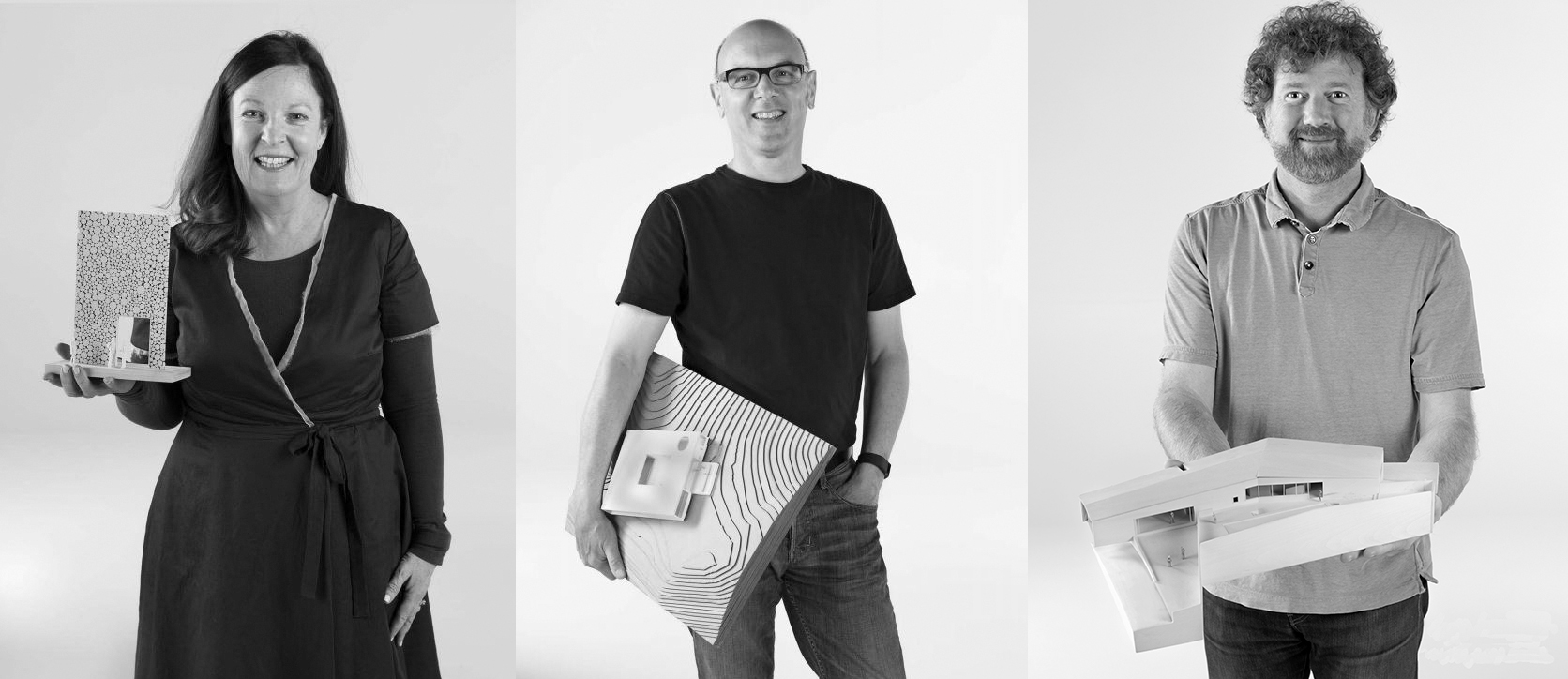
No, you’re not seeing double and yes, our team member architects Anne Mooney, John Sparano and Seth Striefel are indeed larger than life! At least, in the Arts Council’s photomural public art project, where oversize photographs of the architects, along with 50 additional creatives and artisans who live and work in the community, have been affixed to the exterior of local businesses.
In planning the new Downtown, the City wanted to highlight the revitalized arts district and showcase the area’s unique talent. “We have been blown away by the creative talent and innovative thinkers already here”, said Arts Council Coordinator Lesly Allen. “Sparano + Mooney Architecture is a key element to what we want our downtown to be”. Lesly also noted this architectural firm’s ability to take gritty, industrial-feeling spaces and create welcoming environments in which you’d want to spend time.
The mural project, a creative place-making initiative and community identity program, was inspired by the East High School project titled Inside Out, which involved photography being posted on building exteriors to bring awareness to wider social justice conversations. Like the Inside Out project, the Commonwealth: Inside South Salt Lake photomurals are made from a unique material: wheat paste. This non-toxic solution is easily removed with power washing and is designed not to impact masonry facades or walls. In fact, Sparano + Mooney Architecture was proud to offer the east wall of its building to the exhibition – our wall featured images of other Utah creative professionals Aruna (a Bookworm), Clyde (a Guitarist) and Casey (a Photographer).
The photographs of Anne and John were located on the south facade of Shades of Pale Brewing, and the image of Seth was located on the exterior of The Tree Broker. It was a wonderful project and we were thrilled to help support the fantastic work being done by our local Arts Council.
Photo Credit: Lars Call
SPOTLIGHT: JUN LI
JUN LI PRESENTS HER VISION OF A STANDARD ARCHITCTURE IN A NOT-STANDARD WORLD
JULY 25, 2016
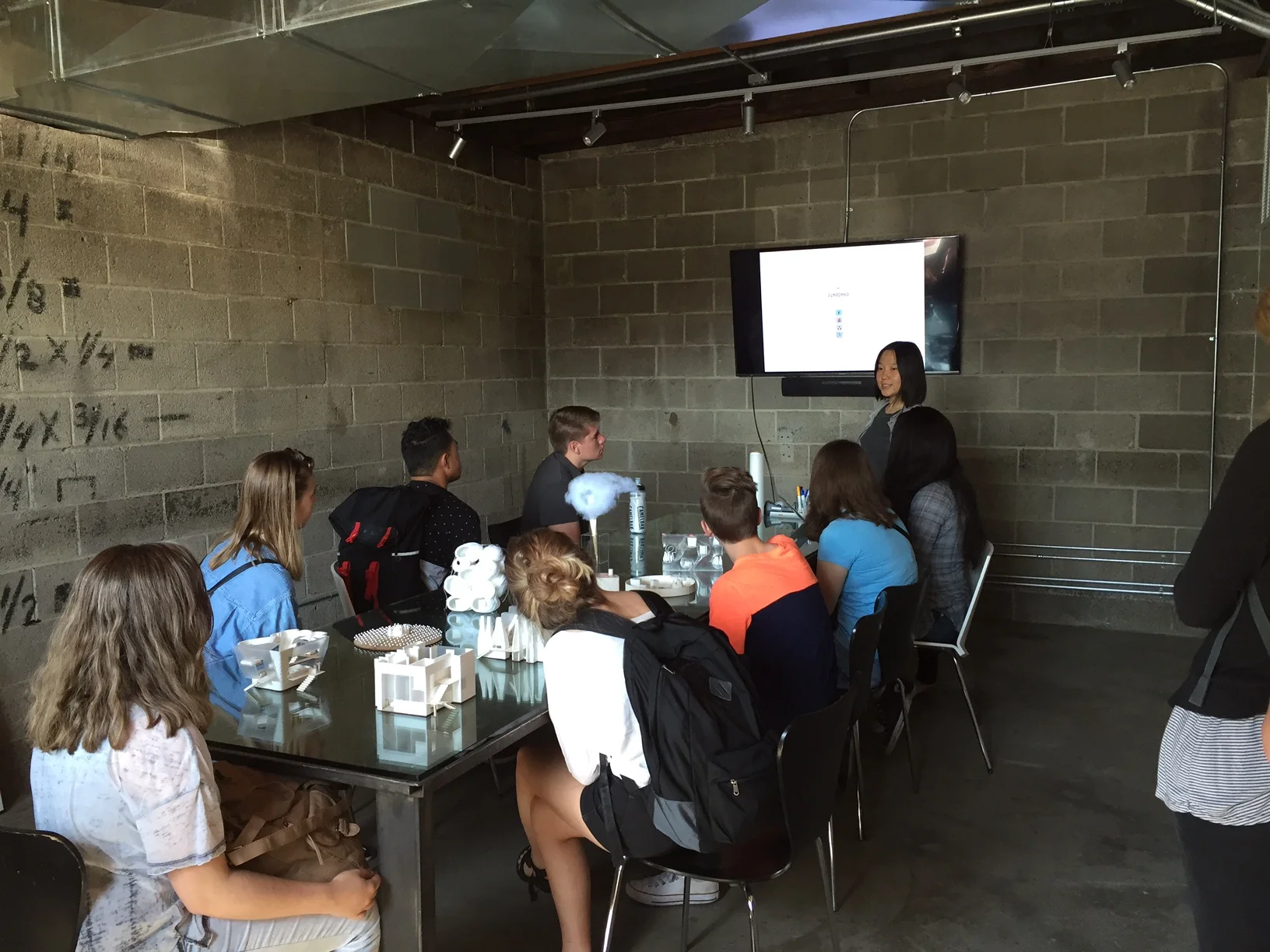
“Forget about the Boring World! Welcome to our Not Standard World!” So begins Jun Li’s presentation titled Not Standard, which she delivered recently to the next generation of architects visiting from an immersive summer design program. Jun, an architectural intern at Sparano + Mooney Architecture, asked the students to consider: How do we design for a diverse public experience in an increasingly standardized world? Though it may be tempting to conceive of and produce generic spaces, Jun posits that you can design for individuality and the creation of a unique product, perhaps paradoxically, through a standardized data-gathering process. First, we must take into account the variability of a client and the fluid environment in which they wish to live or work. But, by asking broadly applicable questions to distinguish differences such as gender, age and body type, and subjective preferences like whether one prefers to live alone or among others, Jun proposes an evolution of architecture that is intimate and better suited to clients’ personal needs.
Jun Li was born in Taiyuan, China, and studied Environmental Art Design at one of China’s leading architectural institutions, Jiangnan University, where she specialized in construction, structural and design research related disciplines. She then earned her Master of Architecture from the University of California, Berkeley where she focused on architectural design, landscape design and material research in her graduate study. Jun’s work was selected for UC Berkeley College of Environmental Design’s Annual Project publication and she received the award for Outstanding Undergraduate Thesis at Jiangnan University.
Jun is a wonderful member of the Sparano + Mooney team and we are pleased that she was able to help shape the future of these young and aspiring architects!
LOS ANGELES’ FIRST NET-ZERO GYMNASIUM
NEW PROJECT BY SPARANO + MOONEY ARCHITECTURE WILL FEATURE THE CITY OF LOS ANGELES’ FIRST NET-ZERO GYMNASIUM
JULY 18, 2016
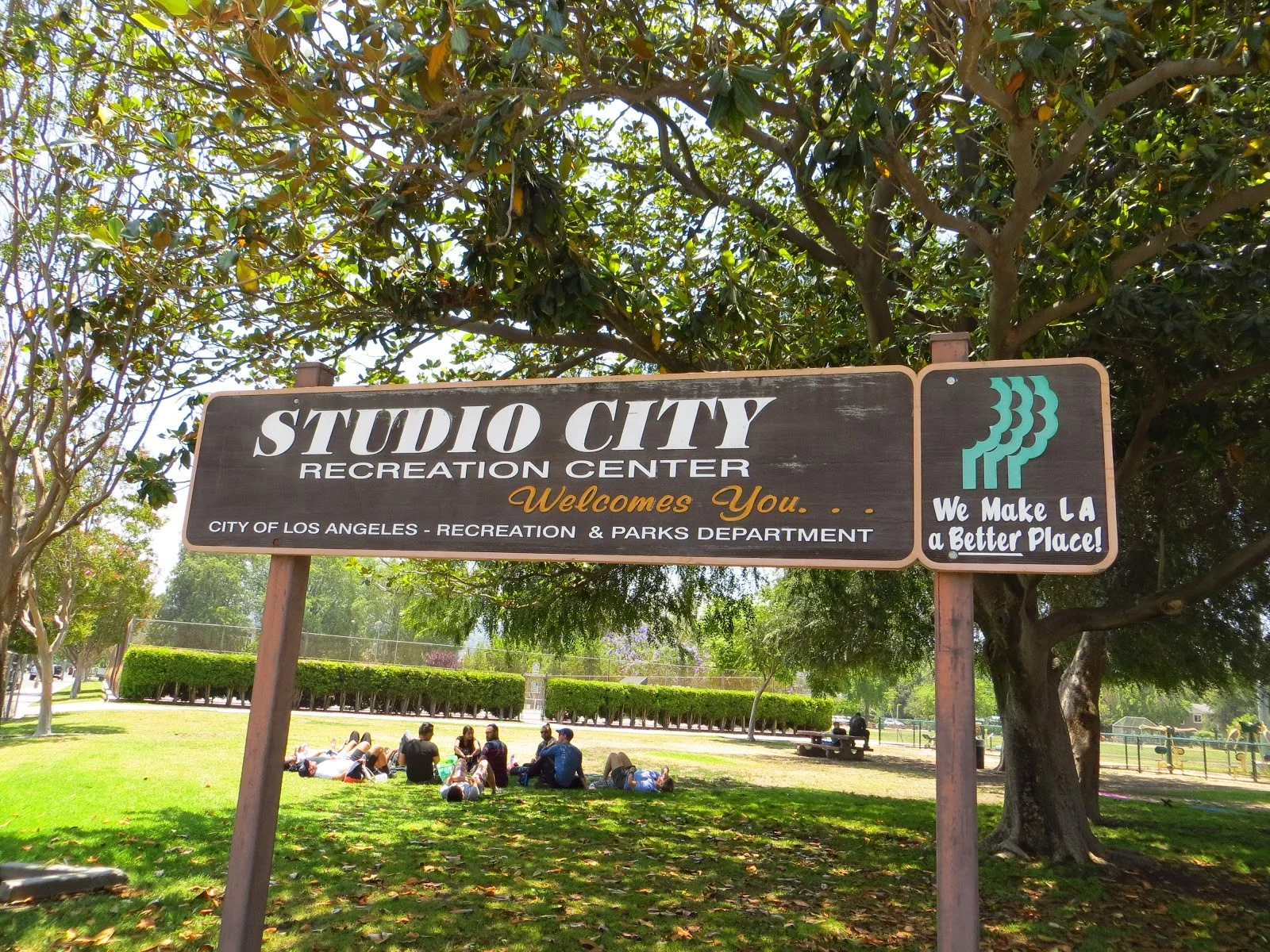
The Studio City Recreation Center Gymnasium in Beeman Park, located in Studio City, California will be Los Angeles’s first Net-Zero Energy pilot project. Designed by Sparano + Mooney Architecture to LEED-certified specifications, the new 12,000 SF facility will be an immeasurable asset to the neighborhood and community, and will also demonstrate the feasibility of designing self-sustaining energy efficient municipal buildings. The project scope replaces an inefficient recreation building with the construction of new, state of the art modern architecture. The recreation center will include a full-size basketball court, multipurpose meeting rooms for the community, office and administration areas, a kitchen, restrooms and support facilities. The project scope also includes security lighting, a parking area, new landscaping and irrigation for the park. With a projected total construction cost of $7M, the gymnasium will be ready for public use and exceed of code requirements for Net-Zero Energy.
NET ZERO ENERGY BUILDING - WHAT DOES IT MEAN?
A net-zero building exhibits zero net energy consumption – the total amount of energy that the building uses annually is generally equal to the amount of renewable energy created on the site. The architecture cleverly balances the energy it needs with the energy it produces from renewable, zero-emissions sources. The architects, engineers and builders work together in designing and constructing to these environmental standards which offers significant operational and maintenance costs savings, lower environmental impact, long-term improvements in energy efficiency, and better resiliency to power outages and natural disasters. Several Federal executive orders and legislation, as well as State and local initiatives and industry programs, have established Net Zero Energy targets. The U.S. Department of Energy has released a full report on net-zero energy buildings, and more information can also be found through the Sustainable Facilities Tool, as part of the Office of Federal High-Performance Green Buildings.
Another program we follow is the Living Building Challenge, an international sustainable building certification program created for architects and others involving in the built environment to guide sustainable development. This program is administered by the non-profit International Living Future Institute. It is described by the Institute as “a philosophy, advocacy tool and certification program that promotes the most advanced measurement of sustainability in the built environment.” The Living Building design principals can be applied to architectural projects of all scales, from buildings – both new construction and renovation projects - to infrastructure, landscapes, neighborhoods and planning communities. The Living Building Challenge is even more sustainably rigorous than the United States Green Building’s LEED program.
SUSTAINABLE DESIGN THE SPARANO + MOONEY WAY
Sparano + Mooney Architecture is passionate about creating innovative and modern sustainable design solutions for our extraordinary clients. As experts in sustainability in architecture, we offer our clients an integrated set of green design services including: sustainable design guidelines and audits, sustainable project planning, passive design, LEED consulting services and LEED certified architecture, and net zero energy projects. In producing architecture within some of the most spectacular landscapes in the western region, we are focused on projects with lower impact in the architecture and its development, and minimizing waste and resource use. Our clients see sustainable design is a triple win: green design is good for people, good for business, and good for the environment. The Sparano + Mooney architects seek to develop the architectural potential of each project while ensuring occupants are comfortable and inspired, contractors are building efficiently and responsibly, and owners realize lower first capital and operating costs. Our LEED-accredited professional team brings an integrated sustainable design approach to each project – the resultant architecture is grounded in timeless design principles inspired by nature, including passive design, optimal solar orientation, incorporating day-lighting and natural ventilation, the harmonious relationship between building and site, and green materials and finishes.
We are excited to work on this challenging new project for the City of Los Angeles – watch this community recreation space develop!
SOURCES
U.S. Department of Energy - http://energy.gov/eere/buildings/downloads/common-definition-zero-energy-buildings
Office of Federal High-Performance Green Buildings - https://sftool.gov/plan/420/net-energy
Living Building Challenge - https://en.wikipedia.org/wiki/Living_Building_Challenge
THE CULTURAL BOOM IN LOS ANGELES
SCENE STEALER: Underground Art, Architecture, and Design is Booming in Los Angeles
JULY 14, 2O16
“It’s mainly tacos and stray dogs and really nice people”, observes Sojourner Truth Parsons, a painter who occupies a light-filled loft in Los Angeles’ Boyle Heights district. Parsons is part of a new crop of achingly cool artists, designers, gallery owners, collectors and culture vultures who are moving to downtown Los Angeles and the Arts District – a cluster of forbidding, abandoned factories and warehouses, industrial spaces, parking lots, strip malls, concrete and barbed wire. The area is scrappy, desolate, and ripe for reinvention as the city’s prime arts and culture hotspot. It is also home to Sparano + Mooney Architecture where we have been based for almost 20 years.
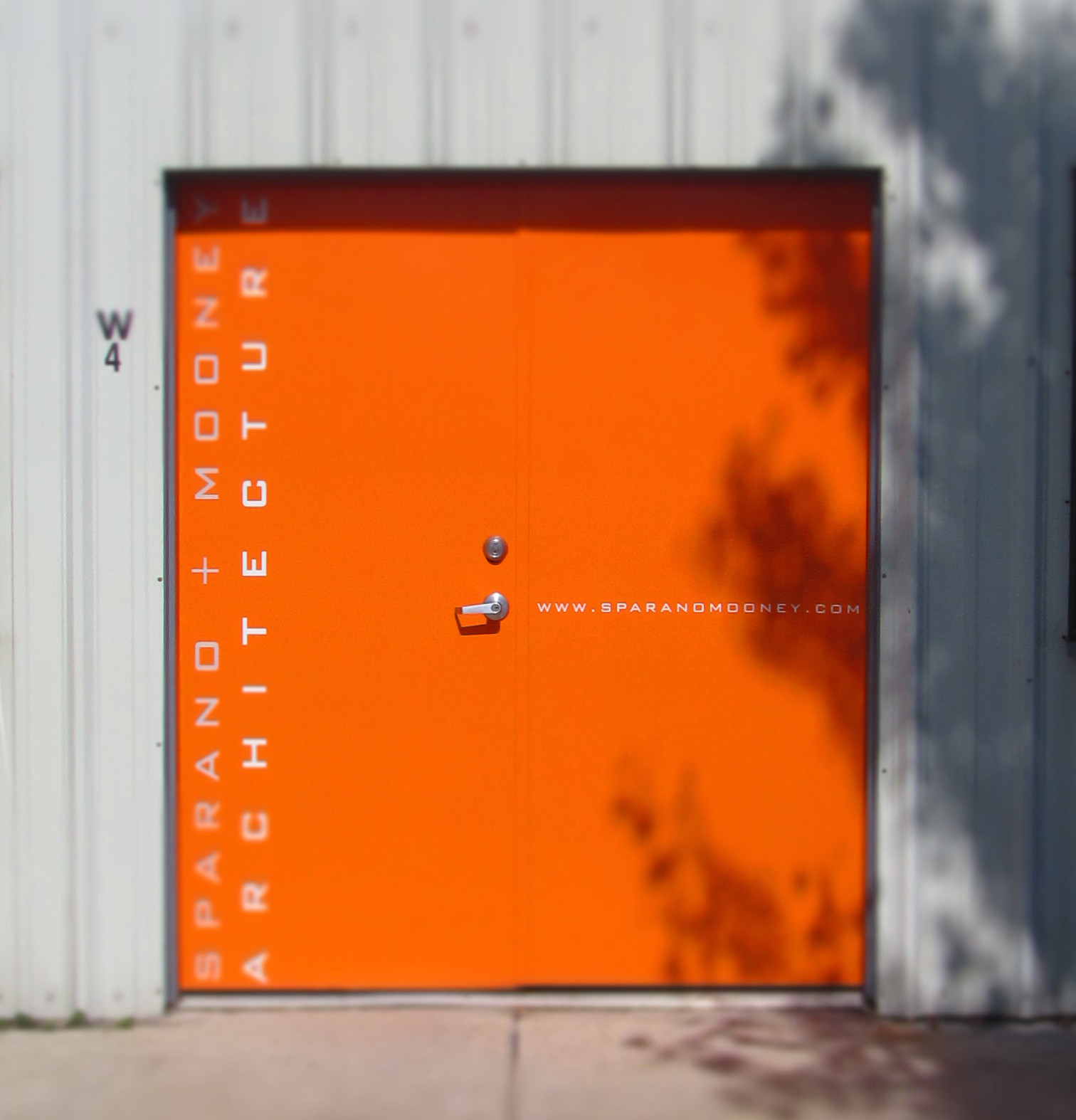
About ten years ago we made the decision to move our architectural practice from the westside to downtown Los Angeles to be closer to our clients and make commute to work easier for our team. After an exhaustive search for cool space, we were thrilled to find a studio at the Brewery. This 500+ live-work development in Boyle Heights, just east of downtown was filled with creative people including architects, designers, filmmakers, artists, fashion gurus, photographers and graphic pros. We felt right at home and have thrived producing great architecture from our 2-story raw warehouse in one of the world’s largest art colonies. The Brewery encompasses twenty-one former warehouses – with an old Edison power plant chimney dating to 1903 – house work studios, living lofts, restaurants and galleries. Its history dates back to the turn of the century as the Edison Electric Steam Power Plant and then as a Pabst Blue Ribbon brewery.
The vacancy that characterizes many downtown Los Angeles neighborhoods is precisely what appeals to burgeoning creatives – a blank slate upon which to exhibit acrylics by Yunhee Min, project a film titled Mommy by Maggie Lee, or host a performance by fashion designer Barf Queen. Influential galleries from New York and London, including Venus Over Los Angeles, Maccarone and Ibid are opening alongside local natives with impressive pedigrees, such as Wilding Cran (owned by Anthony Cran and Naomi deLuce Wilding, the granddaughter of Elizabeth Taylor). And, naturally, the DIY artist spaces tucked in disused alleyway garages feature prominently too, perhaps in large part to their raging, late-night opening parties – exhibitions in themselves, with food trucks, beer, coffee and kombucha on tap, kiddie pools filled with Kool-Aid and topless catering staff. The (relatively) cheap rents and sense of community help, too.
CLIMBING THE SOCIAL LADDER
This social energy is the essence of the locale. As Jeffrey Deitch, the former Director if the Museum of Contemporary Art, Los Angeles, has noted, “The social aspect is essential for artistic innovation. Artists working in isolation rarely have the same achievement”. 25-30 year olds ride their bicycles and skateboards, walk their small dogs, patronize and socialize at trendy restaurants and coffee shops, perpetuate a throbbing youth culture and activate the neighborhood. They frequent the populist galas that have become de rigeur, and have displaced the Hollywood glamor that used to characterize LA. “Culturally we’ve always been overshadowed by the film industry, and now the art world is at a weird parallel with it”, said Sterling Ruby, one of LA’s most renowned artists, who occupies a 4-acre studio complex in industrial Vernon, CA, just north of the Arts District. The uber-modern Broad Museum, designed by starchitects Diller Scofidio + Renfro, has recently opened downtown and guests have included Owen Wilson and Gwyneth Paltrow; the Los Angeles County Museum of Art hosted an Art + Film gala sponsored by Gucci and attended by Leonardo DiCaprio and Jared Leto; and international powerhouse gallery Hauser + Wirth has partnered with Paul Schimmel, former Chief Curator at MOCA, to open a sprawling arts complex in the District. An outpost of glitzy Soho House, with its rooftop pool, hotel and restaurants, is opening on South Santa Fe Avenue. Loft apartments have risen there too: a two-bedroom unit is on the market for $1.175 million. Now, blue-chip galleries and adventurous collectors mix with emerging artists, groupies and industry pros. Tides are shifting.
Despite this development, the area’s zany character remains. “It’s all about discovery and taking chances and hopefully finding something revelatory”, states Mieke Marple, Partner at Night Gallery on East 16th Street. Let’s hope that the dream lives on, the tacos remain stuffed and the stray dogs continue to roam free…

ANNE MOONEY, PROFESSOR OF THE YEAR
ANNE MOONEY, AIA IS AWARDED 2016 PROFESSOR OF THE YEAR, UNIVERSITY OF UTAH COLLEGE OF ARCHIECTURE + PLANNING
JUNE 27, 2016

At Sparano + Mooney Architecture, we like to recognize the hard work our team members invest in advancing architecture and design. With this appreciation in mind, we extend a big congratulations to Anne Mooney, AIA, NCARB, LEED AP, who has been recognized as the 2016 Professor of the Year in the College of Architecture and Planning at the University of Utah! Anne is a principal and the co-founder of Sparano + Mooney Architecture, and is an Associate Professor in the School of Architecture where she teaches applied research design studios and courses in theory and professional practice.
Anne has taught architecture and design at the University of Utah since 2004 and has paralleled a professional practice with a presence in the academic world since establishing her practice in 1997. In addition to pursuing award-winning, research-based conceptual design projects with Sparano + Mooney Architecture, she has also taught design studios in Los Angeles and Salt Lake City, most recently leading a graduate studio focused on the future of small towns in the American West. She also serves on the leadership team of the School of Architecture and is the chair of the curriculum committee.
In addition to the Professor of the Year award, Anne’s design work has been featured in over 25 peer-reviewed publications and in the United States, Canada, England, Germany, Italy, Japan, Russia and Spain, and her design excellence has been recognized with more than 12 peer-issued, juried design awards. These include: a National American Institute of Architects Design Award for the Saint Joseph the Worker Catholic Church; the American Institute of Architects Western Region Young Architect of the Year Award; and the American Institute of Architects Western Region Design Award for the Arcadia Museum.
Sparano + Mooney Architecture is a full-service design firm offering comprehensive architectural and planning services to civic, cultural and private clients throughout the American West. The LEED (Leadership in Energy and Environmental Design) accredited team is committed to providing energy efficient and environmentally responsible design solutions.
The University of Utah College of Architecture + Planning is an academic college of the University of Utah, offering undergraduate and graduate degrees in architecture, city and metropolitan planning and multi-disciplinary design. The mission of the College is to nurture a culture of discovery, design and innovation in the designed world rooted in an ethic of care, community and commitment.
TOPAZ MUSEUM BENEFIT EVENT
TOPAZ MUSEUM HOSTS BENEFIT CONCERT WITH MARK INOUYE AT THE SAN FRANCISCO CONSERVATORY
JUNE 13, 2016
Sparano + Mooney Architecture is pleased to help support the Topaz Museum and Education Center in its fundraising effort. In this season of summer travel, if you find yourself in the Bay Area we invite you to join virtuoso trumpeter Mark Inouye from the San Francisco Symphony and the Friends of Topaz for an evening of Mark Inouye + Friends in Concert. The event will be held on Sunday, July 10th, 2016 at the San Francisco Conservatory of Music.
For several years, Mark has been on a journey – to discover all he could about his father, Takara Steve Inouye. This path led him to the Topaz Internment Camp outside of Delta, Utah, where his father was incarcerated during World War II with 11,000 others. His father’s only crime? Being Japanese American. Thanks to Mark’s generosity and commitment to raising awareness of this injustice, all proceeds from the benefit concert will be donated to help create new exhibits at the Topaz Museum.
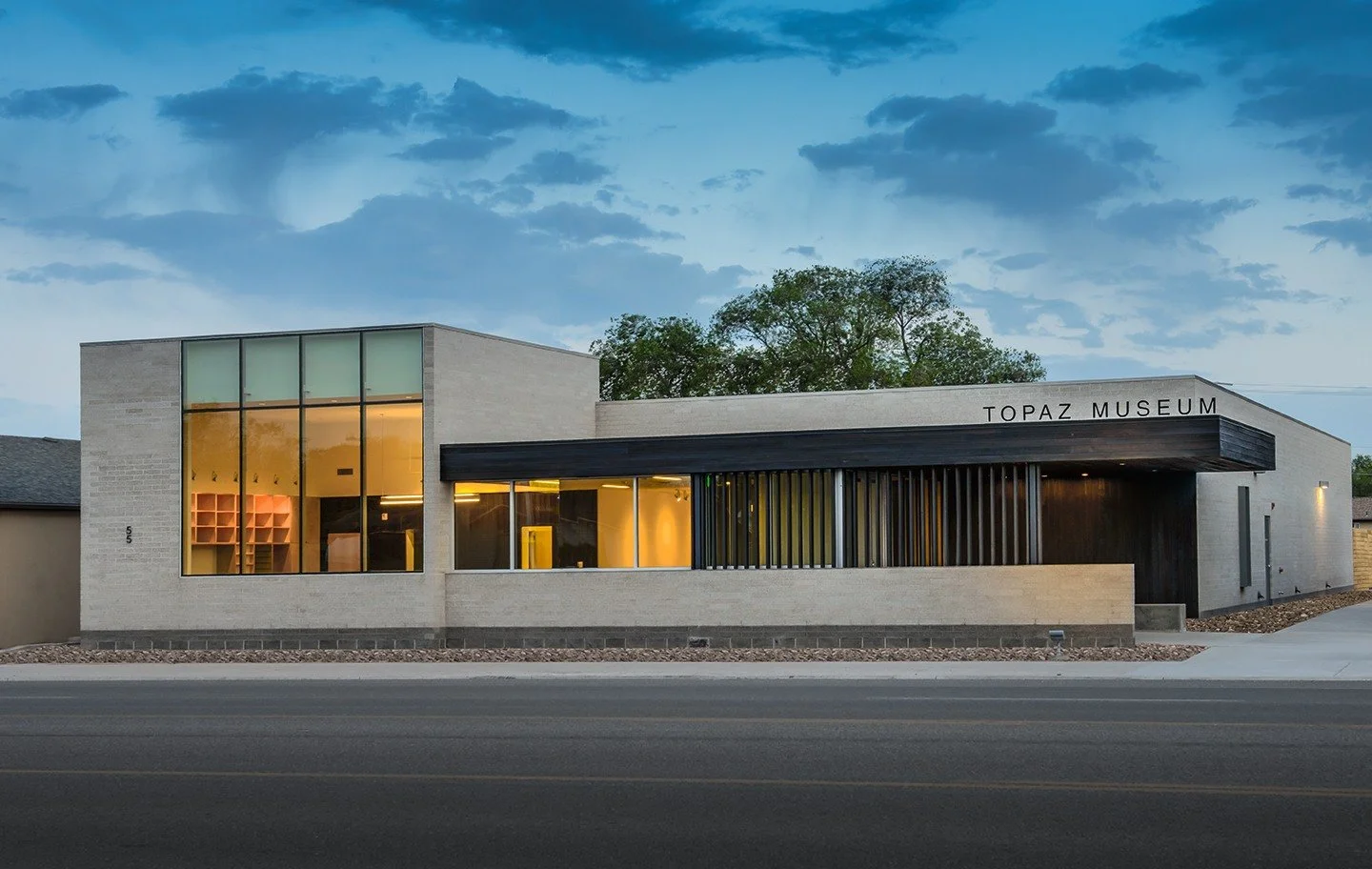
Designed by Sparano + Mooney Architecture, the Topaz Museum and Education Center is a 4,000 SF facility that provides information and interpretation regarding the thousands of Japanese Americans who were imprisoned at the nearby Topaz Camp during WWII. The Museum and Education Center helps prepare and encourage visitors to tour the Topaz Internment Camp site, located approximately 16 miles northwest of the Museum – it is located along Delta’s Main Street (Highway 50/6), providing maximum visibility for those traveling through.
The modern museum includes an exhibit space with interpretive displays, cutting-edge computer technology installations, artifacts and art from the Camp, a historically-accurate re-creation of one of the barracks, images of the Camp, and historic perspectives to engage and educate the public about the internment. In addition, the Museum also offers an education/orientation space, a secure curatorial storage area and an outdoor courtyard that includes a restored Recreation hall structure from the original Camp. Though the Camp was shuttered after WWII, the site became a National Historic Landmark in 2007, and evidence of its existence still remains – gardens, a gridded road network, walkways, concrete foundations, artifacts and other remnants that remind visitors of the injustice once inflicted. One of the primary goals of the project was to provide a secure home for some of these artifacts – the Museum’s collection comprises over 1,000 items – and to preserve the collection for future generations.
Mark Inouye is generously helping to advance the knowledge and understanding of the Topaz Camp and Museum, and we hope you will consider attending this important event. A pre-concert talk with Mark will begin at 6pm, and the show will begin at 7pm. The first set of symphonic music will be followed by an intermission, then a set of jazz. Finally, there will be a VIP Reception for Benefactor ticket holders at 9pm. Musicians Keisuke Nakagoshi, In Sun Jang, Jeffrey Budin, Brad Buethe, Mark Izu, Jeff Mars and Wendy Hanamura will join Mark in this musical storytelling event.
For more information, and to purchase tickets to the concert, please visit https://friendsoftopazfundraiser.com/ and http://www.topazmuseum.org/
CAINE COLLEGE OF THE ARTS
CAINE COLLEGE OF THE ARTS ENGAGES STUDENTS IN DESIGN
JUNE 02, 2016
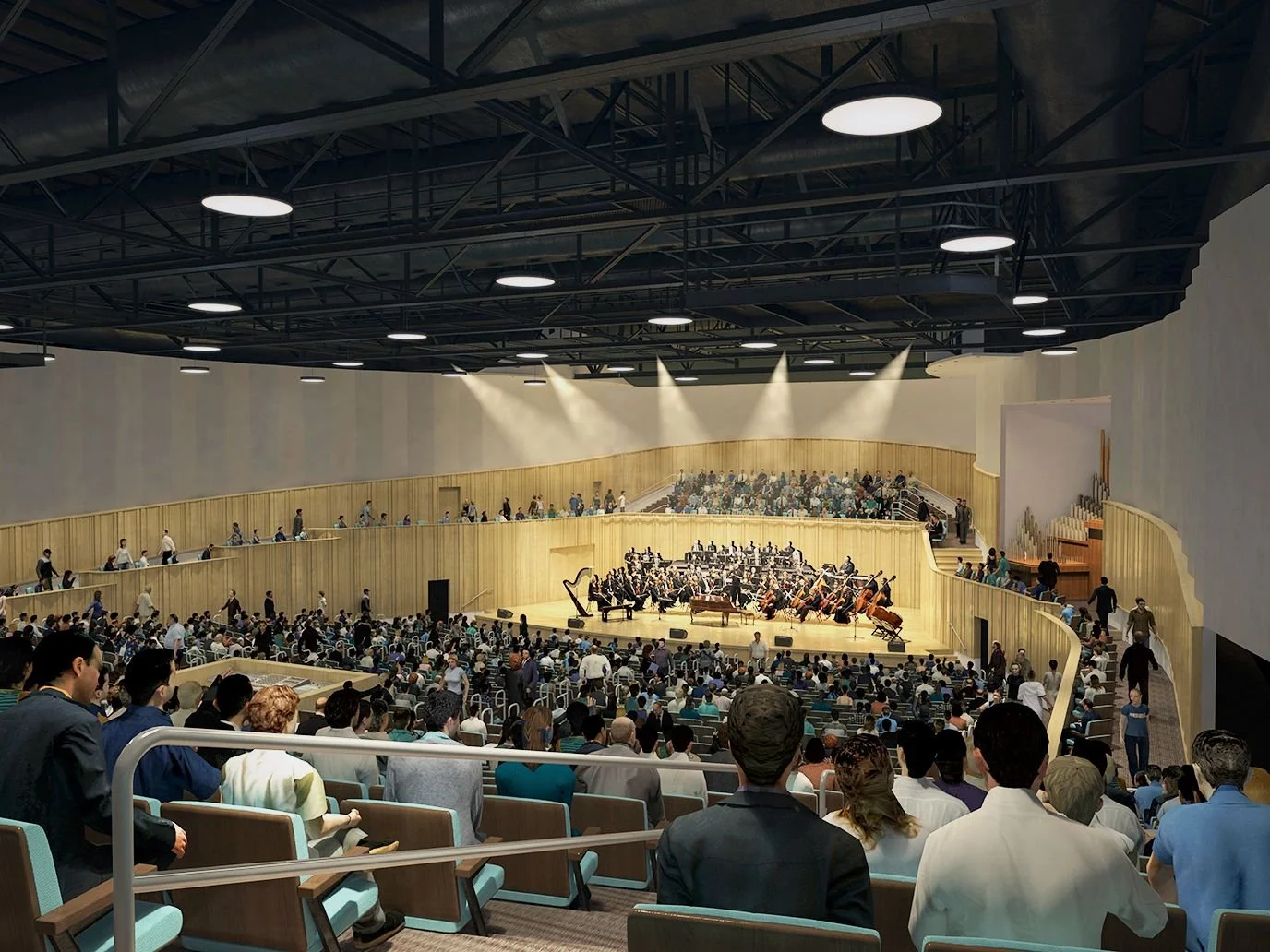
The Caine School of the Arts at Utah State University was first established in 2005. It became the Caine College of the Arts in 2010, with its own dean, Dr. Craig Jessop, and recognized degree programs for students in the design, theater, and music arts. Today the college is well known not only for its student body but also for the architecture that comprises the college campus. Sparano + Mooney Architecture is thrilled to be part of a campus-wide renovation project that will completely transform the Caine College of the Arts.
As a modern design firm based in California and Utah and specializing in contemporary architecture, we were immediately challenged by the opportunities Caine represents. But, upon meeting with school administration, it was decided we would not go into the project with a developed vision of our own. Rather, we would design the renovation around the needs and desires of faculty and students.
Such an approach to architecture is rare. It is not unusual for a firm like Sparano + Mooney Architecture to work with a small handful of individuals to come up with design plans, but to stretch that to hundreds of students and faculty is an entirely different matter. Yet we are committed to making sure their individual voices are heard. Not everyone will get everything they want, but we are doing our best to design new spaces that will best meet the needs of the majority of those who will actually use them.
MEETING WITH STUDENTS AND FACULTY
We began the design process last spring by holding a series of meetings to which we invited both faculty and students. The meetings were conducted as workshops, giving attendees an opportunity to express what they were hoping to see realized with the project. For example, there was a lot of concern about a lack of practice space for students. We will address that and many other spatial requirements through the expansion of the Fine Arts Complex.
The first phase of the renovation project is expected to last about 18 months, with completion in mid-2017. We have already seen significant progress on the addition and renovation of the Scene Shop, improvements to the Morgan Theater, and the interior transformation of the Kent Concert Hall. Much of our effort for 2016 will be concentrated on finishing up the Scene Shop and renovating the Tippets Gallery and some exterior courtyard areas. Overall, we believe the project is progressing nicely thanks to plenty of input from the University leadership, the faculty and students.
LOOKING TO FUTURE GENERATIONS
During our workshop discussions, we have heard plenty of great ideas about how the Fine Arts Complex could be improved, structurally and aesthetically. We heard lots of ideas about classroom space, creating more access to natural light, renovating performance space to be more inviting to patrons, and so on. But we were most impressed by the realization that so many students and faculty were as concerned about the future of the college as they are the present.
It is understood that a transformation of this nature might happen only once every few decades. The students and faculty at the Caine College of the Arts realize that the renovations done today will affect students for 20, 30, and even 40 years down the road. Those future generations of students should have campus facilities that enhance the learning atmosphere in both form and function. That is what we are striving for in this renovation.
Sparano + Mooney Architecture is a leading modern design firm in Utah and California that has had the privilege of working on some very exciting cultural projects. The project at the Caine College of the Arts has been, and continues to be, one of the most inspiring we have been involved with – thanks to the participation of the college leadership, and its students and faculty.
SOURCES
1. Utah Statesman – http://usustatesman.com/caine-college-of-the-arts-announces-plans-to-renovate-facilities/
SMA LOVES CENTRAL NINTH
SPARANO + MOONEY ARCHITECTURE LOVES CENTRAL NINTH
APRIL 15, 2016
Residential architecture in Salt Lake City is both intriguing and exciting at the same time. The city has a lot of great neighborhoods that, through the course of time and gentrification, have become a great place for us to live and work within. One example is the Central Ninth neighborhood close to the center of the city. We have had opportunities to work in this eclectic urban zone, including a recent project for which we designed a mixed-use housing project that combines the best in urban living with an inviting retail and public space.
We appreciate the opportunity to work on mixed-use projects such as this one because we know how important they are to metropolitan Salt Lake City. As a city with a strong and vibrant population of young professionals, Salt Lake City is one of the best places to live and work in the American West. Our urban zones that are being developed like the Central Ninth are a big part of that. Having an opportunity to contribute to urban zone developments has been an exciting challenge for Sparano + Mooney Architecture and one that we are happy to participate in as we create design solutions for these districts.
OUR MIXED-USE PROJECT
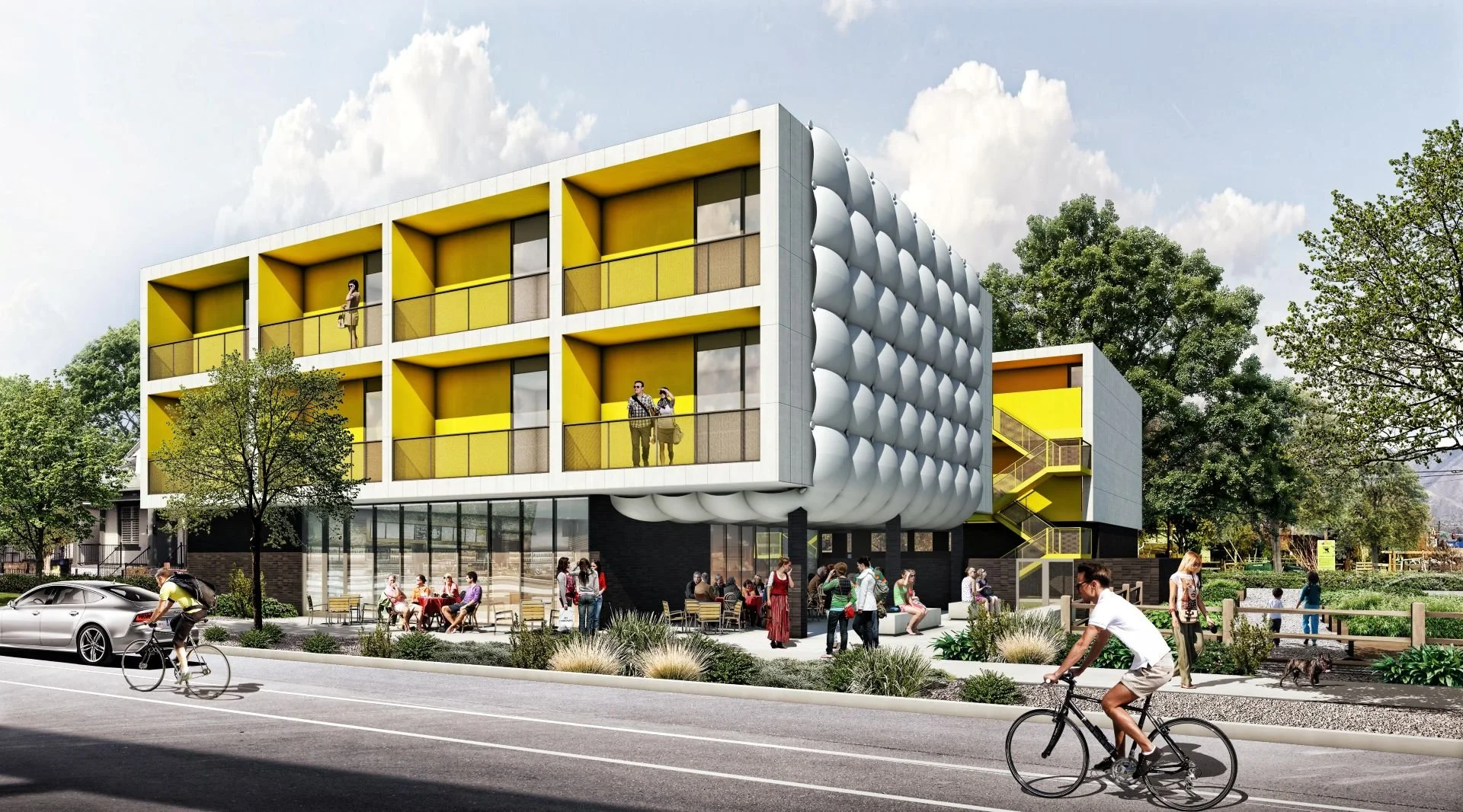
Our most recent contribution to the Central Ninth is for a fantastic site located just across from the TRAX station at 200 West. We designed the architecture and landscape around the concept of vibrant neighborhood living where people get to know one another and spend time socializing over a drink or a meal. Our design called for a mixed-use property combining quality housing units with a restaurant and retail space, tied together with public art and modern architecture. We designed a building that would be welcoming to both residents and visitors alike.
The building’s exterior is every bit modern architecture without compromise and fits within the overall atmosphere of the Central Ninth neighborhood. Our design proposal was one that fits in nicely with the neighborhood yet definitely attracts the eye as you travel down 200 West, on Trax, bicycle, car or on foot. On the first floor is residential and restaurant space, complete with integrated outdoor seating that creates a welcoming public space that invites social interaction.
Between buildings is a courtyard designed to be utilized by residents. It is an area with plenty of sunshine and ample green space with adjacent access to residential flex space where residents can entertain larger parties with a fully equipped kitchen and indoor and outdoor seating. We anticipate the open courtyard to be a place where residents meet and establish new friendships.
THE CENTRAL NINTH NEIGHBORHOOD
Each of the city's individual neighborhoods has its own style of residential architecture. In Salt Lake City, however, it's increasingly all about community living. From quaint, tree-lined boulevards to busy urban streets, people in the city want to feel connected with one another. That is what the revitalized Central Ninth is all about, too.
The neighborhood has an increasingly dense population of restaurants, cafes, coffee shops, and other places residents love to gather. On any given night you'll see people meeting after work to enjoy one another's company – outdoors when the weather is nice, indoors at other times. On the weekends, the streets of the Central Ninth come alive with activity.
The team at Sparano + Mooney Architecture had to really get to know the Central Ninth neighborhood in order to design a mixed-use project that would fit right in. It was a pleasure doing so. Some of our team lives there and the rest of us had the opportunity to meet some fantastic people, see the neighborhood for ourselves, and really get a feel for the vibe of the area. We believe our design project reflects that.
Residential architecture in Salt Lake City is just one of the many facets that make this city what it is and Sparano + Mooney Architecture is proud to be part of it.

PRINCIPLES OF SUSTAINABLE ARCHITECTURE
SUSTAINABLE ARCHITECTURE’S 5 FOUNDATIONAL PRINCIPLES
APRIL 12, 2016
Sustainable design and Salt Lake City go together like coffee and donuts. Salt Lake City is a perfect environment for sustainable architecture because of our unique climate that is part semiarid and part continental, depending on whose scale you want to use. Our geography doesn't hurt either. We have all the right ingredients in Salt Lake City to test and develop sustainable technologies that will drive the architectural design of the future.
At the foundation of sustainable design are five basic principles as outlined by the National Building Museum in Washington, D.C. Needless to say that sustainable architecture is about more than just saving energy and improving insulation. It is about making the best use of our resources without needless waste or environmental damage.
Without further delay, here are the five foundational principles of sustainable architecture and design:
1. TAKING FULL ADVANTAGE OF THE SUN
Sustainability is most often associated with energy use. This is no coincidence. Our current energy infrastructure is built on the use of fossil fuels such as coal, oil, and natural gas. But these energy sources will not last forever. Therefore, sustainable design in Salt Lake City and elsewhere relies heavily on natural sunlight as an energy source.
We use both active and passive strategies to harness solar energy. For example, we may install photovoltaic panels to convert sunlight into electricity. That would be an active strategy. In terms of passive strategies, we may orient a new building to take full advantage of the sun throughout the year.
2. INDOOR AIR QUALITY IMPROVEMENT
As the National Building Museum points out, the average American spends up to 90% of his or her time indoors. Unbeknownst to many, indoor air can be even more polluted than outdoor air. Therefore, the second foundational principle of sustainable design is to improve indoor air quality. We do this through the use of ventilation and filtering technologies designed to remove as many pollutants and toxins as possible.
3. RESPONSIBLE LAND-USE
Sustainability is as much about protecting the land as it is conserving energy and improving air quality. A sound strategy for sustainability looks to work with the land in the architectural design rather than against it. Such a strategy involves a number of things including utilizing less land for construction, leaving more land open for recreational purposes, and minimizing the environmental impact of any construction project.
4. HIGH-PERFORMANCE ARCHITECTURAL DESIGN
While the optimization of sunlight is at the top of the list of sustainable design in Salt Lake City and elsewhere, it goes hand-in-hand with designing high-performance structures that waste as little as possible. Most homes and commercial buildings compete internally to find the right balance between comfort and conservation. High-performance architectural design improves the “internal envelope”, as the National Building Museum to describes it, to maintain comfort with less waste.
5. USE OF NATURAL RESOURCES
Another foundational principle of sustainable architecture is the wise use of natural resources for building purposes. Our supply of natural resources is finite, so building indiscriminately without regard to how quickly we use such resources is anything but sustainable. The wise use of natural resources includes timber management, use of recycled materials, and the development of new synthetics that can be safely used without harming the environment.
Sparano + Mooney Architects is proud to contribute to sustainable design in Salt Lake City and beyond Utah to projects located throughout the American West, in California, Colorado, New Mexico, Montana and Wyoming. We believe sustainability is unquestionably essential to maintaining a bright future for our children and grandchildren. We find great satisfaction in knowing that we are creating beautiful buildings in a way that is environmentally responsible yet still structurally and aesthetically sound.
SOURCES
1. National Building Museum – http://www.nbm.org/exhibitions-collections/exhibitions/the-green-house/principles.html

SEAMLESSLY BLENDING OLD + NEW
PARK CITY HOME SEAMLESSLY BLENDS OLD AND NEW
MARCH 21, 2016
It's a dream come true: owning a beautiful vacation home that has direct access to the Park City Mountain Resort in northwest Utah. The Park City architects at Sparano + Mooney Architecture recently had the opportunity to make that dream a reality for a professional couple and their children. They hired us to design a modern vacation home that fits well in the mountain context, provided a comfortable and inspiring living environment, and met their goals of sustainability and environmental friendly architecture.
The design we came up with exceeded the expectations of everyone involved. From city planners in Park City to neighbors to the owners themselves, everyone our team had the opportunity to work with has contributed to the extraordinary result. Our client now has a beautifully crafted and highly functional vacation home where they can spend time in relaxing and enjoying all that Park City has to offer.
KEEPING IN TUNE WITH THE PAST
Property in Park City is somewhat unique, especially in the historic area of Old Town where our client’s purchased. Lots are compact and narrow, which was typical of the mining era, and many of them sit on steep slopes that can boast grades as steep as 40%. That said, the size and layout of the lot were just the beginning of the overall challenge our team faced. We also had to design a structure that was in keeping with the atmosphere of Park City’s Old Town.
Old Town has very strict architectural requirements when it comes to preserving the area's historical atmosphere. We were limited in our design, from everything from total structural height to the exterior materials we would use on the home. But our team of Park City architects worked with the Planning Commission to come up with an innovative design that satisfied everyone.
The resulting home does not duplicate the past in every detail. Rather, it is an ultra-modern structure that references and complements the past in a way that seamlessly blends both the contemporary and traditional. The house sits very naturally in the surrounding environment while still being modern. We believe it is one of the newest, yet most beautiful, contributing structures in Park City.
MEETING THE DEMANDS OF THE FUTURE
A primary goal of our clients was to build their vacation home to be not only aesthetically pleasing and comfortable but also one that was focused on sustainability and limited the environmental impact. These are things that are important to Sparano + Mooney Architecture as well, so this project was perfect for our residential team. We accepted the challenge of designing this house with a focus on sustainability that would meet or exceed the requirements for LEED certification.
We think we achieved what we set out to create: a beautiful Park City home that will be as good for the local environment as it is for the family that owns it. Our clients will enjoy years of comfortable relaxation in the beautiful mountain environment knowing that their home has a minimal environmental impact.
At the end of the day, the Park City vacation home is testament to the fact that we can design residential structures that incorporate the old with the new in a way that seamlessly blends the best of the past with the brightest aspects of the future. Past, present and future do not have to conflict – whether in aesthetic features or structural integrity. All three can be combined for a truly exceptionally finished product.
We wish our clients well in their new vacation home in Park City. We thoroughly enjoyed working on this property, knowing how much they would enjoy their time spent in such a lovely area.

EXHIBITION: MATTHEW BARNEY AT LA MOCA
MATTHEW BARNEY PROJECT A PERFECT FIT FOR SPARANO + MOONEY ARCHITECTURE
MARCH 18, 2016
From mid-September 2015 through mid-January 2016, visitors to the Los Angeles Museum of Contemporary Art (MOCA) were treated to an extraordinary exhibit from eclectic American artist Matthew Barney. Architects Sparano + Mooney was thrilled to be part of the exhibit, having designed the theater space that housed the biggest draw among Barney fans: an epic six-hour film entitled River of Fundament. From our perspective, the Barney project was a perfect fit for our team.
We appreciate the work of Matthew Barney for its provocative and envelope-pushing nature. For those who know nothing of this artist, Barney is hard to pin down. His art covers multiple mediums including sculpture, drawing, photography, film, and even performance art. All of these are combined in River of Fundament, which might just be Barney's most ambitious project. Having the opportunity to be part of the exhibit at MOCA was truly an honor for us.
MORE THAN JUST A THEATER
Our contribution to River of Fundament was the theater space where Barney lovers and critics alike sat to watch a film based on Norman Mailer's critical failure, Ancient Evenings. From a design perspective, we had to come up with a space that was physically comfortable (keeping in mind the people who watched the entire film would be sitting for six hours) while at the same time aesthetically pleasing and in tune with the vibe of the exhibit. This was no easy task.
In addition to the challenge of the theater itself was designing it in concert with the rest of the exhibit space, which contained many of the artworks used to create the film. For example, the exhibit included a rather large reproduction of Norman Mailer's attic workspace flipped upside down on its head. Nearby were several 25-ton bronze sculptures along with display cases containing more than seven dozen artifacts from the film.
If nothing else, the entire collection was less-than-cohesive to the untrained eye new to Matthew Barney and his artwork. We knew this theater space would have to be such that it did not detract from the film experience by continuing the lack of cohesion found outside the space. Therefore, we opted for an architecture of simplicity and understated modernism that would complement Barney's style and keep all eyes focused on the film.
SEEING WHAT OTHERS DON’T SEE
Having the opportunity to work on the Matthew Barney project was also a chance for architects at Sparano + Mooney to push ourselves and our perceptions beyond that which we were used to. In the contemporary art world, what separates the great from the merely adequate is being able to see what others do not see. Contemporary art is meant to challenge the mind to go beyond what is deemed normal, in search of those things that truly define who we are.
Contemporary architecture is similar in so many ways. Finding the right balance between aesthetic beauty and creating buildings that are both structurally sound and friendly to the environment requires vision that not everyone has. Whether it is contemporary architecture in Park City or a gallery theater space at Los Angeles MOCA, going beyond what is expected is just the start of creating something truly great.
The Matthew Barney exhibit has now moved on from Los Angeles. During its four-month museum run here, there was no shortage of fans and critics who had their say. But whether you loved it or hated it, one thing cannot be denied: Matthew Barney once again pushed those who viewed River of Fundament and its artifacts to see things differently. We are proud to have been part of it and look forward to our next collaboration with MOCA.

SMA AT THE UNIVERSITY OF UTAH
SPARANO + MOONEY ARCHITECTURE TO ADDRESS THE UNIVERSITY OF UTAH
FEBRUARY 12, 2016
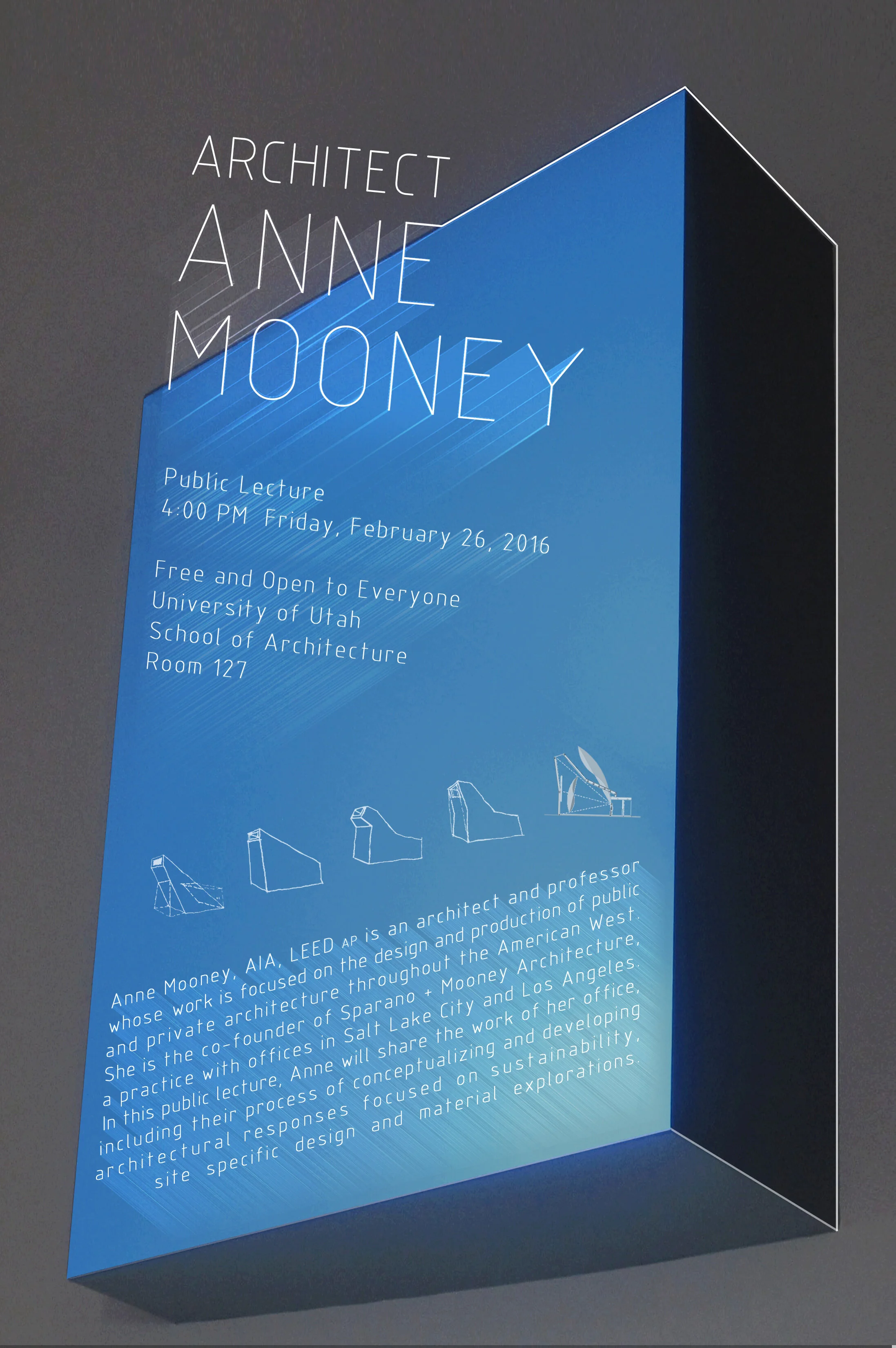
The University of Utah is a world-class research institution with a reputation for promoting sustainable design. In 2011, the University was ranked third among all similar institutions in the country for green power consumption by the EPA. As a pioneer of sustainable design in Salt Lake City ourselves, we understand the University of Utah's commitment to sustainability and renewable energy. It is with that in mind we are proud to announce that our very own Anne Mooney will be addressing students at the University as part of the 2016 School of Architecture Lecture Series.
Anne's presentation will take place on Friday, February 26 at 4 PM. She will be joining two other important architectural voices in addressing students at the College of Architecture and Planning during the three-lecture series of 2016.
TRAINING ARCHITECTS OF THE FUTURE
We are thrilled that our architectural firm can play a role in helping to train the architects of the future. Regardless of what Anne intends to present – and she has not let us in on the details as yet – we know it will be important to the students fortunate enough to participate. Anne is a leader in contemporary and sustainable design in SLC, representing our firm's commitment to protecting the future by designing sustainable and environmentally friendly structures today.
Tomorrow's architects will undoubtedly face challenges that we could never have conceived of. But they will also have access to new technologies and methodologies at their disposal. We fully expect to see the eventual graduates of the university's College of Architecture and Planning to go on to do great things within the discipline of architecture. They are the ones who will be creating the cutting edge structures that will define the landscape for decades to come. They will figure out great ways to incorporate sustainable technologies into awe-inspiring visual designs. We are fortunate that Sparano + Mooney Architecture can be part of this by addressing students and the architectural community this year.
SUSTAINABILITY MATTERS IN ARCHITECTURE
Sustainability has not always been an important element of architectural design. In days gone by, visual appeal was among the most important factors in designing new structures of all kinds. But with the Industrial Revolution came the need for natural resources we needed to power machinery, heavy equipment, and even the vehicles that transported us from place to place. Energy was also incorporated into buildings by way of electric service, heating and cooling, indoor plumbing, and so on.
We now find ourselves in a place where our modern technology requires tremendous amounts of energy to function. It is no longer just about turning on the lights or providing heat when the weather turns cold. Our energy needs are so much greater in a day and age where global communications and high-speed data networking are the backbone of most of what we do. And that is one of the reasons attention to sustainability matters so much.
There is little hope that we will consume less energy in the future. If nature takes its course, and she always does, our need for energy will only continue to expand as society itself grows. And sooner or later, that growth will lead to an exhaustion of the energy resources we now use. Sustainability is the only way to ensure that our future will remain bright even in the midst of this increased energy consumption.
Sustainable design in SLC is all about making the best use of every available energy resource. It is about efficiency, conservation, and finding new ways of doing things that do not require as much energy. We are thrilled to be part of it.
SOURCES
1. University of Utah - School of Architecture - http://soa.cap.utah.edu/
CHALLENGES OF RELIGIOUS ARCHITECTURE
3 CHALLENGES OF RELIGIOUS ARCHITECTURE
FEBRUARY 10, 2016
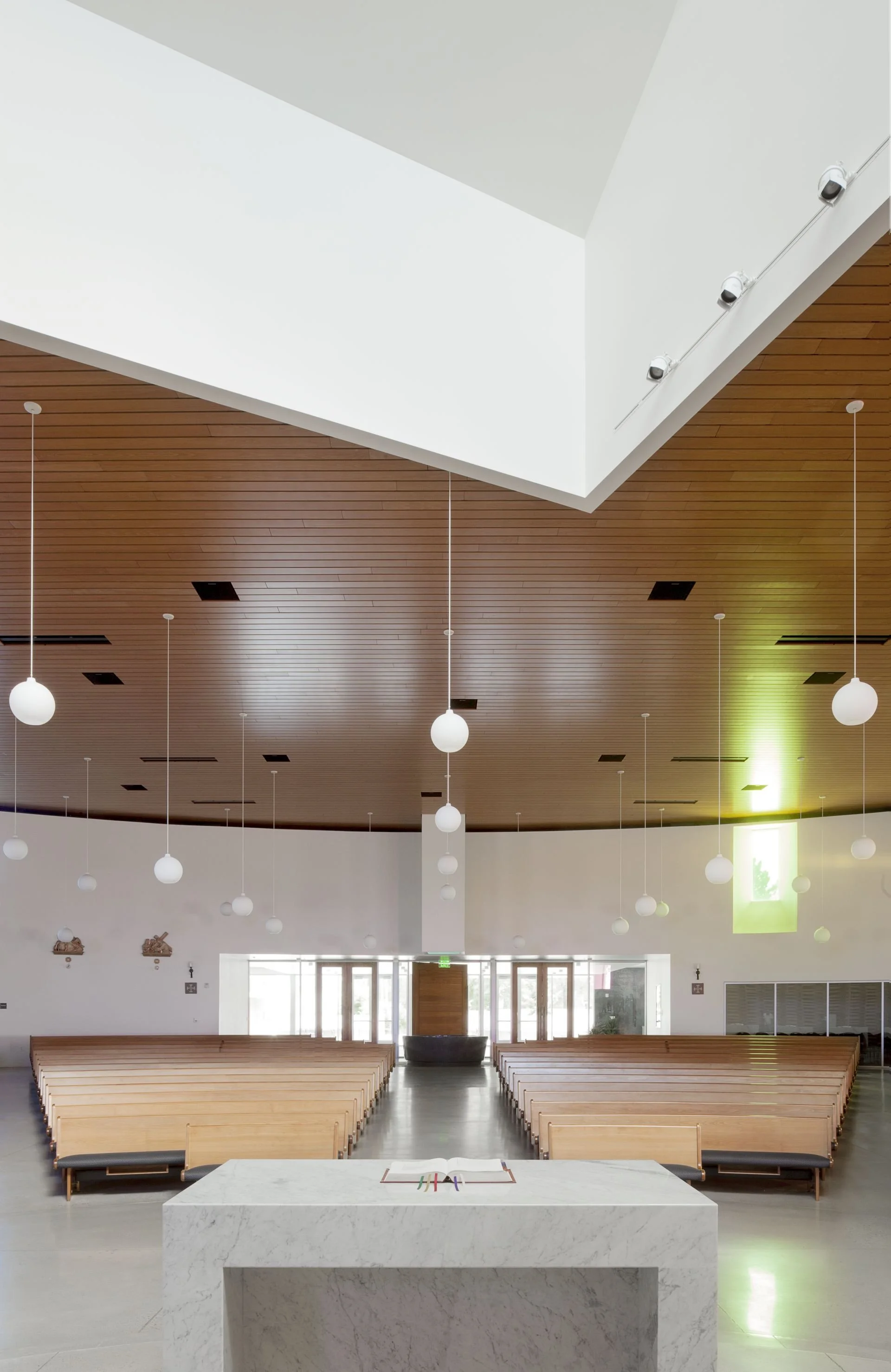
Sparano + Mooney is extremely proud to announce that we are winners of the 2015 Religious Architecture Award, a prestigious international award given annually by the American Institute of Architects Interfaith Forum on Art and Architecture. Our architectural design work is featured in the current issue of Faith and Form magazine’s annual awards issue. Our reputation for contemporary architecture in Salt Lake City is one of the things that helped us secure the contract to design the award-winning St. Joseph the Worker Catholic Church facilities in West Jordan. It has been quite a project.
For the benefit of our readers, we wanted to take the opportunity of winning the Faith and Form award to explain some of the unique challenges of designing religious architecture. As you might expect, religious architecture is different in a number of different ways. The three biggest challenges we face on these kinds of projects are as follows:
1. INDIVIDUAL TENANTS OF THE FAITH
Every form of religion has its unique tenants that dictate everything from worship styles to doctrine. Those tenants play into the worship atmosphere people expect to encounter when they attend religious services. Therefore, architectural firms like ours have to be cognizant of any particular religious tenants that will be displayed outwardly within the facility.
Architecture must sensitively reflect what a faith community believes in a way that encourages them to participate in worship. At the same time, it must be forward-looking in order to accommodate the needs of future generations. This is a fine line to walk given the fact that almost every faith community retains strong ties to the past even as they evolve from one generation of the faithful to the next.
2. INDIVIDUAL FAITH CULTURE
Different religious systems all have unique beliefs and doctrines. But even within a single system, churches in various locations have individual cultures that determine what weekly worship services look like. One church in Southern California may be extremely laid back and casual, for example, while in another church in the Northeast, under the same denomination, it can be more reserved and traditional. Local faith community culture is something we have to consider in religious architecture.
Fortunately for us, our local area is very receptive to contemporary architecture. Salt Lake City and Los Angeles churches of all faiths we work with are open to a full range of modern designs that allow us to do some very good things. We strive at all times to make sure that each of our designs, no matter how contemporary or traditional, reflects the culture of faith for the religious community we are serving.
3. LOCAL BUILDING CODES AND REGULATIONS
Religious institutions in America enjoy quite a bit of latitude and freedom. When it comes to local building codes and regulations, however, they are subject to some unique restrictions due to the fact that churches are meeting places that tend to accommodate large amounts of people. Our firm must be conscious of those codes and regulations whenever we are involved in religious architecture or sacred space design.
Just as one example, a religious facility must have ample exit points capable of accommodating large volumes of worshipers who might need to exit quickly. We must design those exit points to be fully functional without distracting from the worship environment. Doing so is not always easy.
Here at Sparano + Mooney, we find opportunities to be involved in religious architecture both challenging and stimulating. We are thankful to have had the chance to be part of the St. Joseph the Worker project in West Jordan, and we hope to have more similar opportunities in the future. We are passionate about contemporary architecture in Salt Lake City, Park City and throughout Southern California – whether that means designing a new church facility in Los Angeles or the latest downtown office building in Salt Lake.