-
ARCHITECTURAL TEAM | John Sparano, Anne Mooney, Seth Striefel, Philip Dimick
CONTRACTOR | Sausage Space
PHOTOGRAPHY | Matt Winquist, Kerri Fukui
INTERIOR | City Home Collective
STRUCTURAL | Structural Design Studio
-
FEATURED | “In Salt Lake City, A Modernist Man Cave,” The New York Times, September 2020
2023 | “Urban Treehouse | Sparano + Mooney Architecture”, HomeWorldDesign (Romania), November 2023
2023 | “Urban Treehouse”, Archilovers, November 2023
2023 | “19 Pool and Patio Designs to Inspire your own Summer Sanctuary”, Aspire Design and Home, June 2023
2023 | “Opulência Verdejante”, by Lúcia Rumor, ATTITUDE (Portugal), May/June 2023
2023 |“Un Moderno Rifugio Urbano”, by Vanessa Cristina Molteni, Villegiardini (Italy), April 2023
2023 | “The New Kid on the Block”, by Thomas Connors, Aspire Design and Home, Winter 2023
2021 | Residential Design National Architecture Award
2021 | “Citation: Custom Urban House”, Residential Design, Vol. 3, 2021
2020 | American Institute of Architects Western Mountain Region, Design Excellence Honor Award
2020 | The PLAN Award, House Finalist
2019 | American Institute of Architects Utah, Merit Award
2019 | Utah Arts Council, DesignArts ‘19
2019 | “DesignArts Utah ‘19; Nora Eccles Harrison Museum of Art at Utah State University (NEHMA) and Urban Treehouse,” Exhibition Catalog, September 2019
2019 | DesignArts Utah ‘19, Rio Gallery, Salt Lake City (exhibition)
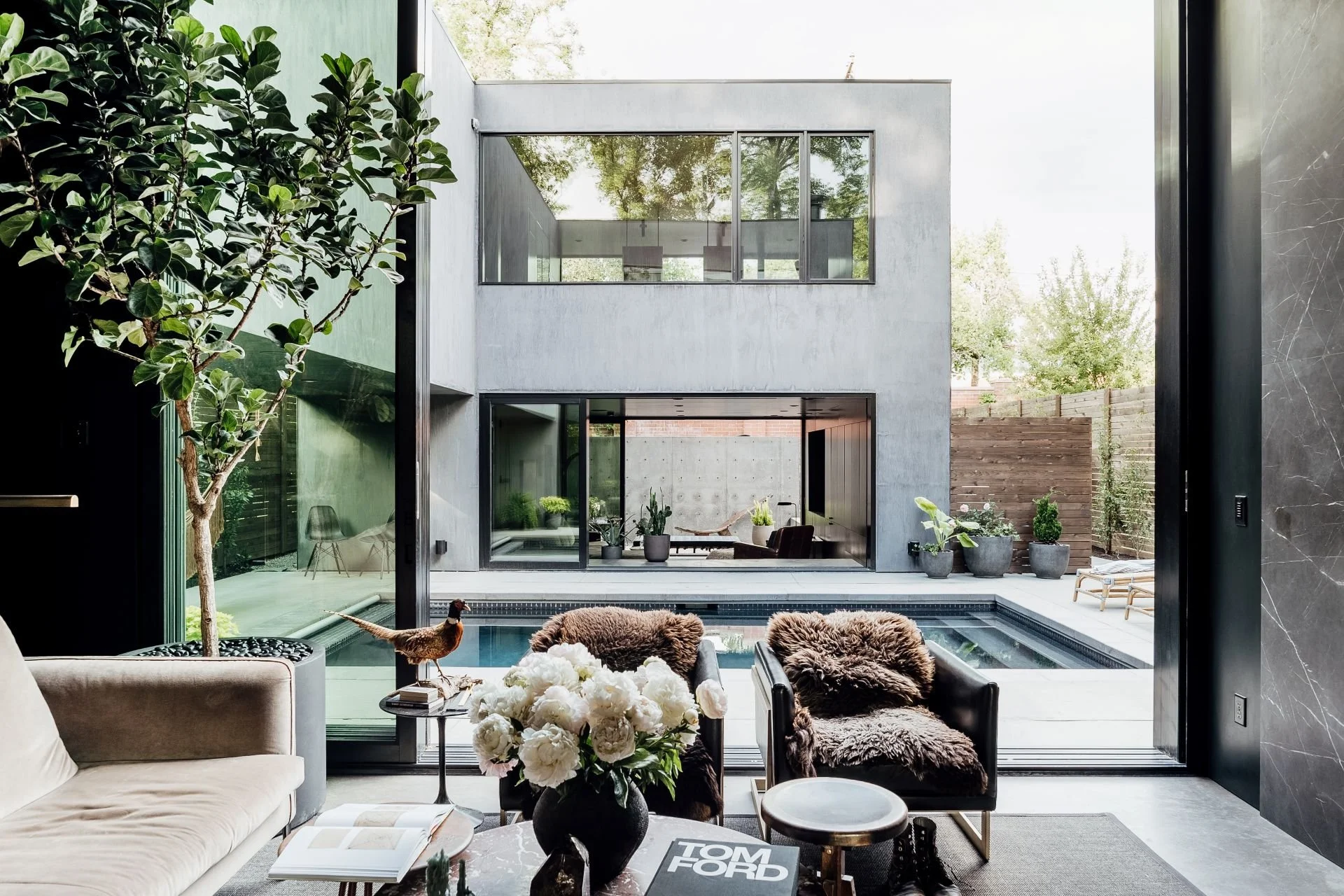
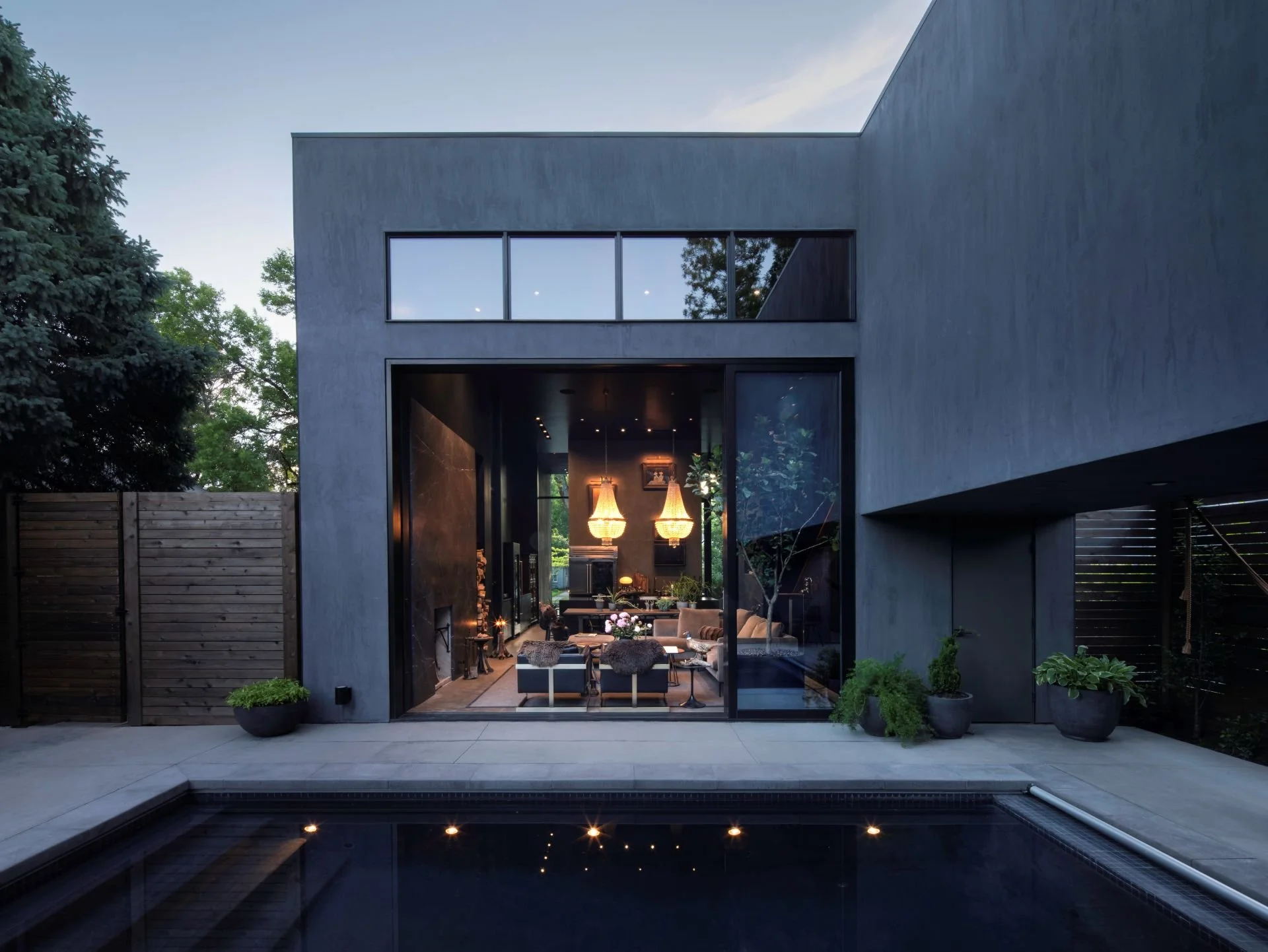
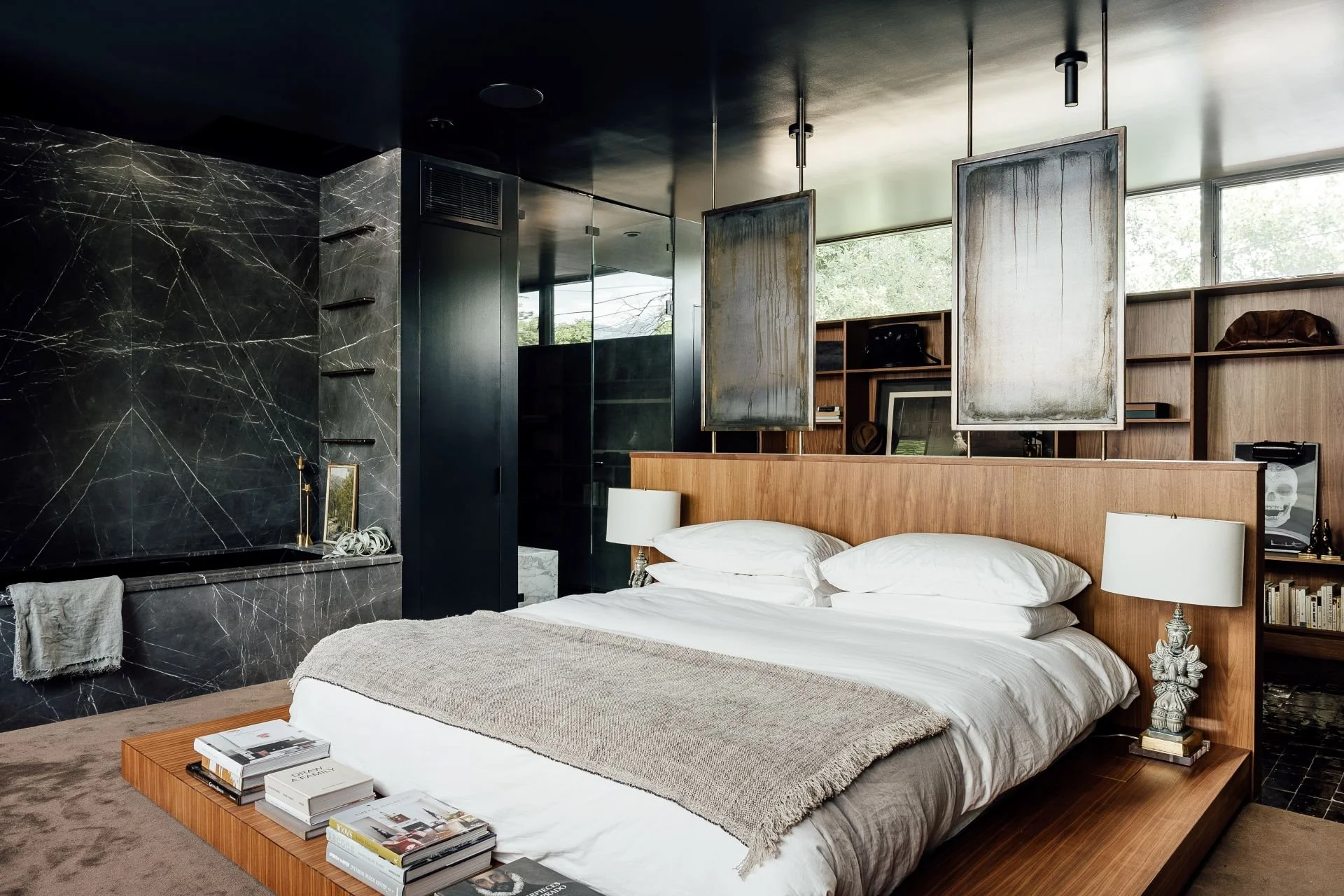
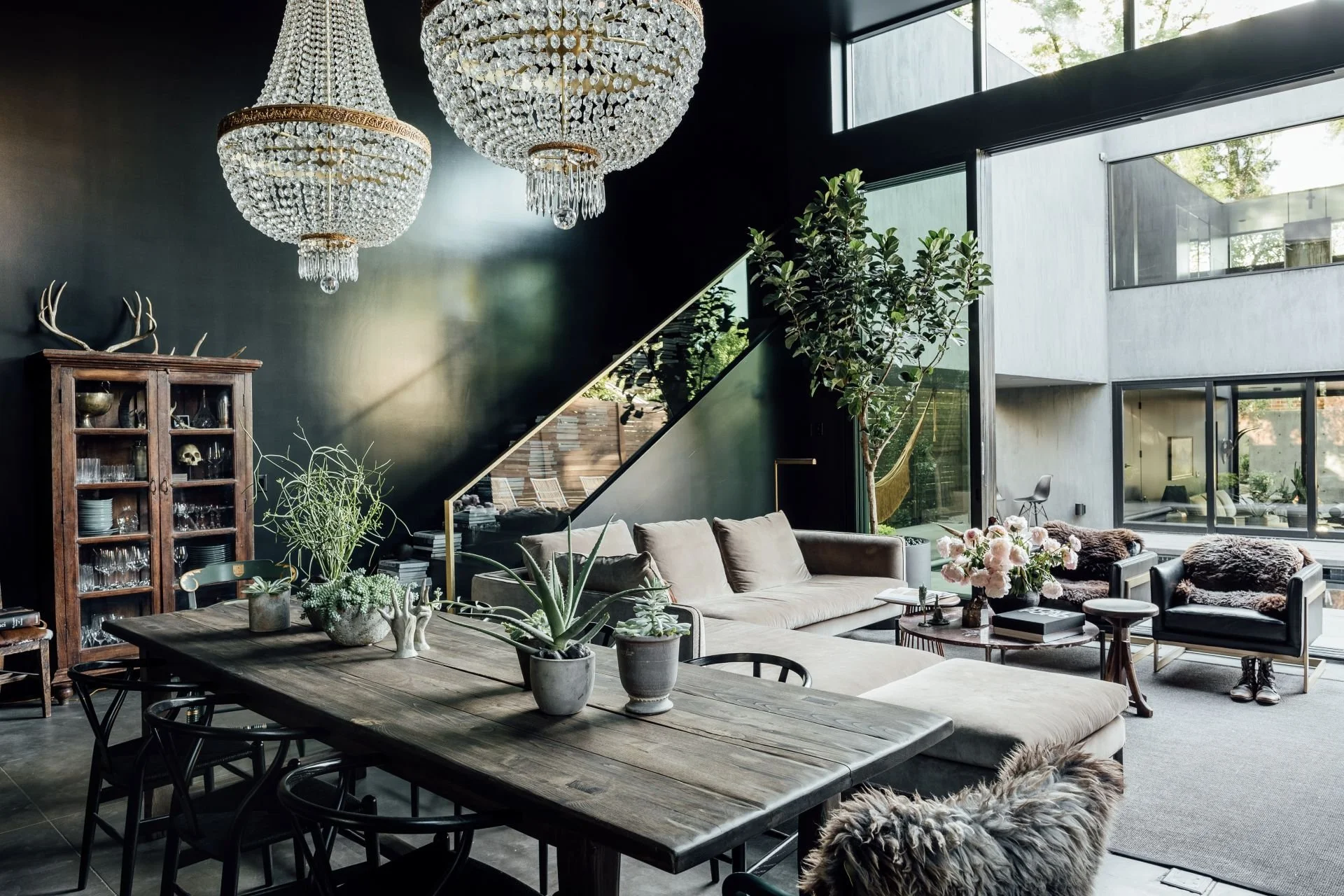
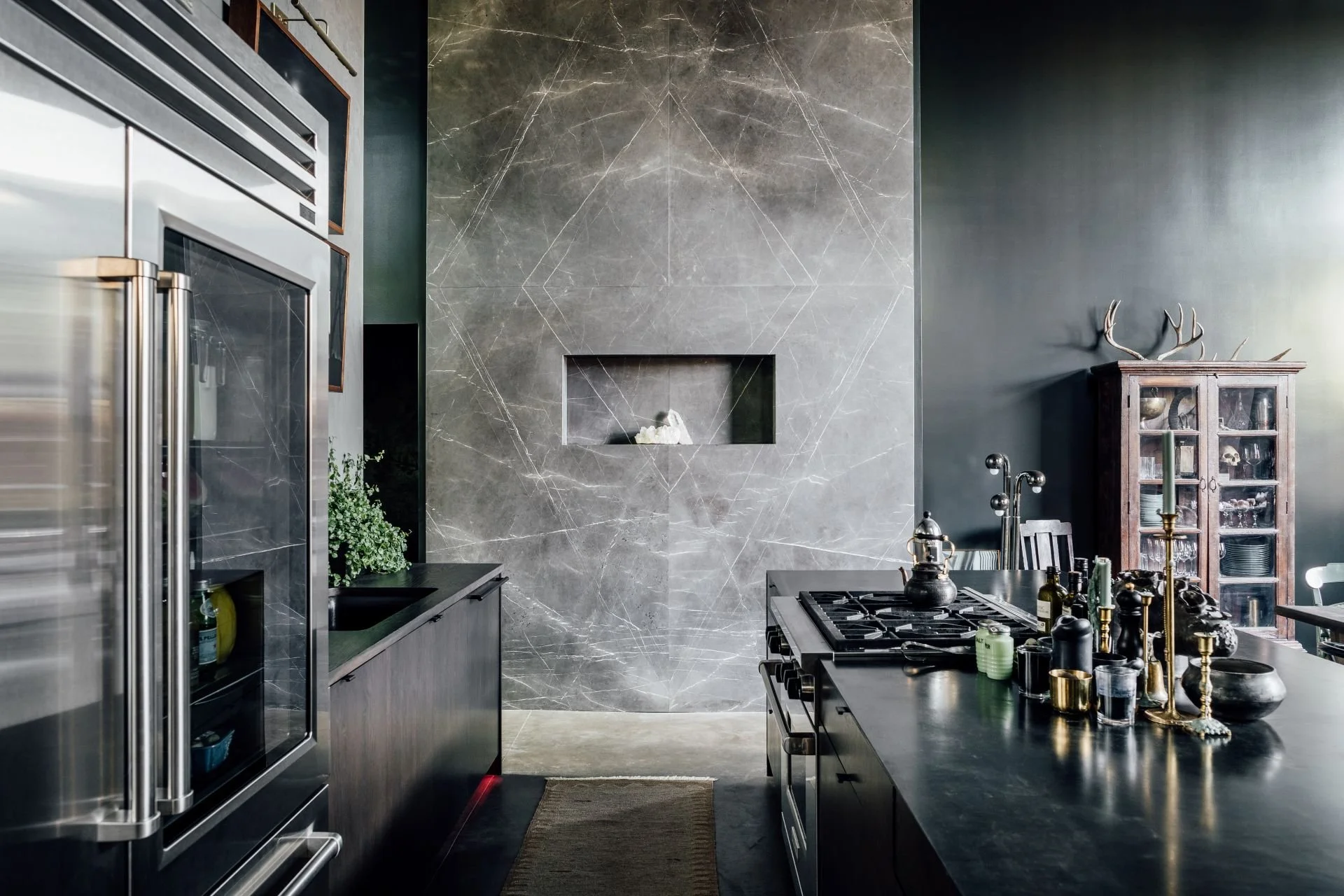
This project explores the potential to create an urban oasis through the synergy of a home’s architecture and interior design. The design for this 2,000 square-foot residence in a densely-populated neighborhood near the urban downtown center, incorporates a series of indoor/outdoor spaces, connecting the home to its urban context while serving as a sanctuary for the occupant. Sparano + Mooney Architecture minimized the footprint and size of the home while maximizing the spatial experience through working with scale, proportions, light and materials. The program includes a large, open-plan entertaining space (kitchen, dining and living areas), primary suite, a small pool and a guesthouse. The project explores the idea of a home as a sanctuary from the outside world - a sanctuary must feel simultaneously inviting and protective, but in the context of community living, our top architects in Utah and California developed spaces that do not give the impression of prioritizing seclusion over neighborliness.
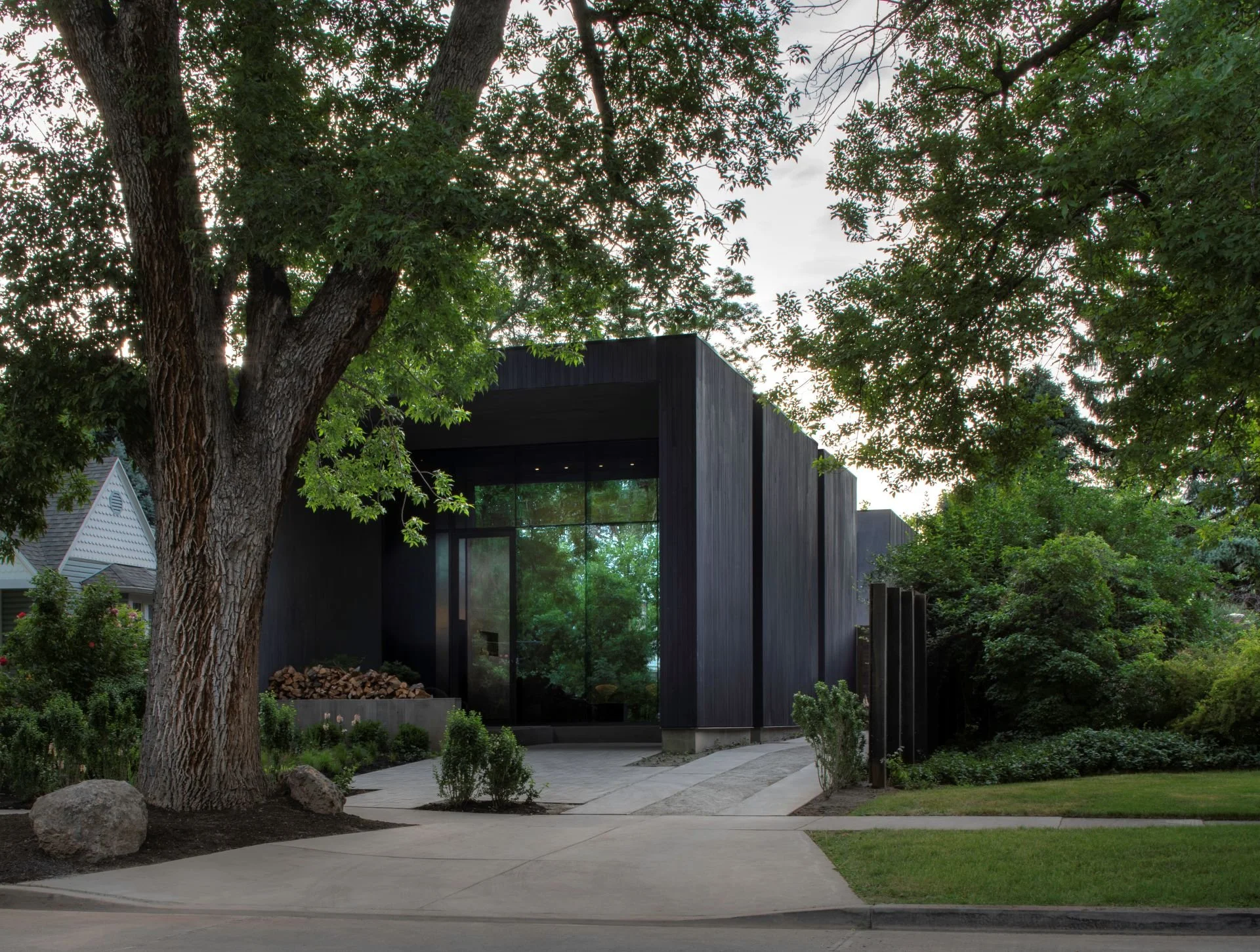
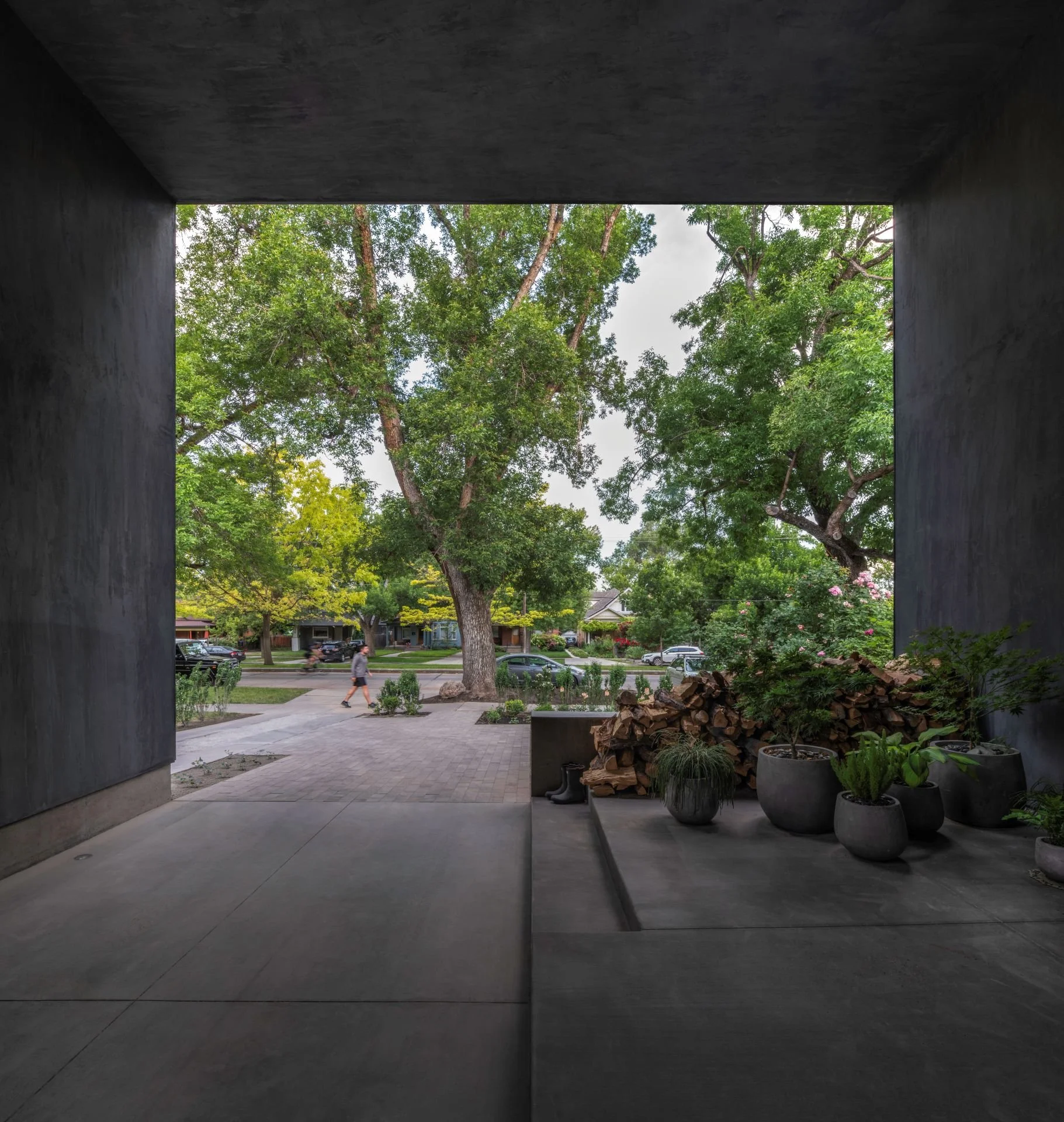
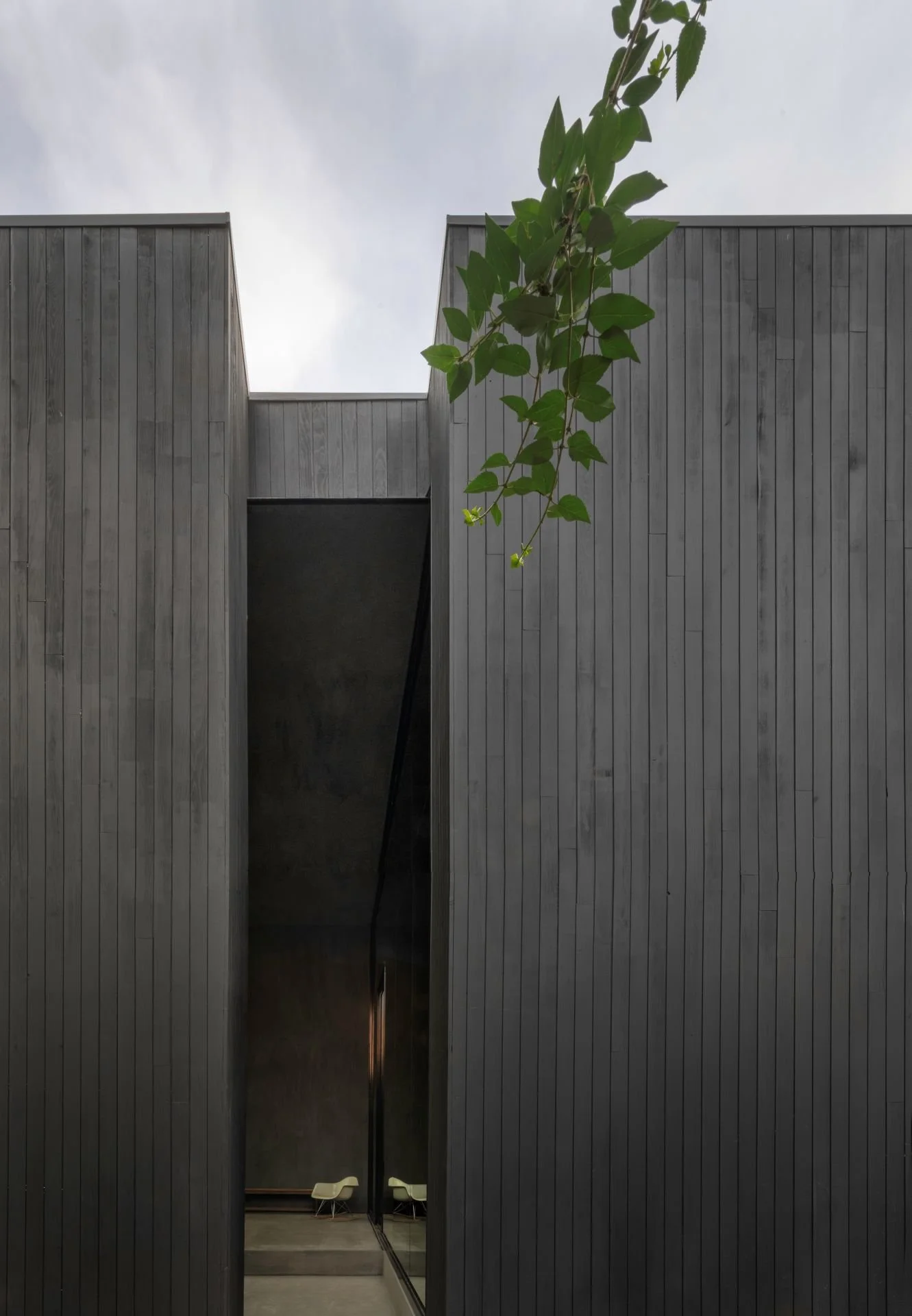
The primary design challenge was therefore to reconcile these seemingly polar desires: to feel secluded, yet open; to be connected, yet separate from the world. This design seeks resolution to this apparent dichotomy by maximizing transparency and employing passive ways to obscure views into the most private areas of the house. The design response is a uniform, rectangular mass with several voids cut to integrate and provide outdoor space.
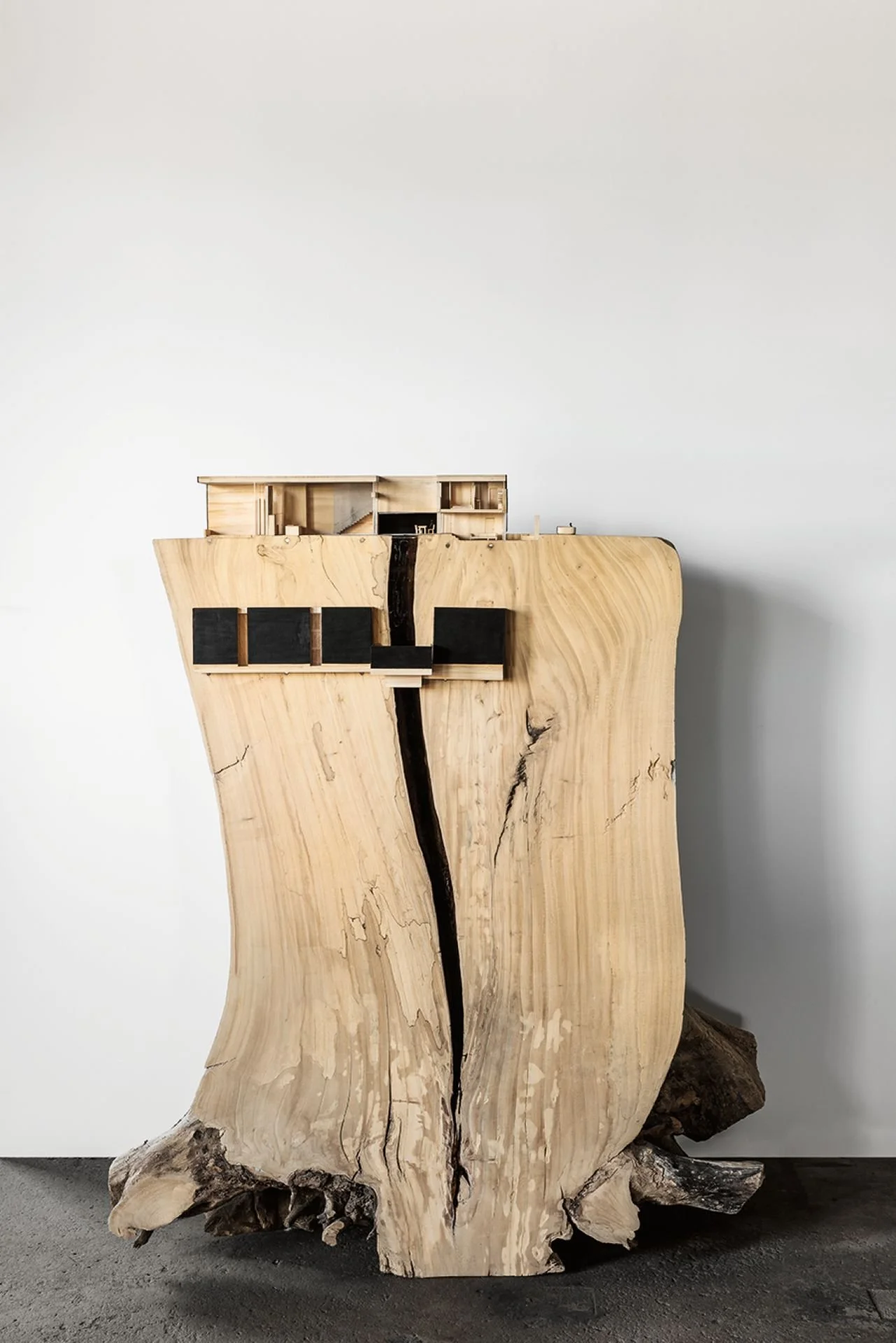
The importance of the tree as a design driver is evident in the project’s heuristic design process, during which the team developed a series of sculptural models crafting negative space from multiple pieces of discarded fragments of wood found on-site. These studies, in conjunction with continued discussions with the client, were integral in developing the form and massing for the project. The research-based, conceptual and sustainable design emerged as one that reflects the owner’s vision for contemporary urban living and provides a model for the potential for infill design in the city.