-
ARCHITECTURAL TEAM | John Sparano, Anne Mooney, Nate King
CONTRACTOR | Living Home Construction
PHOTOGRAPHY | Matt Winquist, Lucy Call
CIVIL | McNeil Engineering
STRUCTURAL | Structural Design Studio
-
2024 | “Wabi-Sabi Residence: Canyon Emigration”, Maison & Jardin Issue #160, July 2024
2023 | “Sparano + Mooney Architecture’s Wabi-Sabi Residence”, Global Design News, June 2023
2023 | “Sparano + Mooney builds cantilevered home amidst Utah canyons”, Enki (England), June 2023
2023 | “Wabi-Sabi Residence”, ARCFLY (Albania), June 2023
2023 |“Wabi-Sabi Residence”, Aspire Design and Home, June 2023
2023 | “Wabi-Sabi”, Restless Living, Vol. 174, May 2023
2023 | “The Wabi-Sabi Residence”, India Art n Design, May 2023
2023 | “Wabi-Sabi Residence: Sparano + Mooney Architecture”, by Paula Pintos, ArchDaily, May 2023
2023 | “Beautifully Imperfect,” by Eleanor Rice, Enki (England), May/June 2023
2023 | “Sparano + Mooney Positions Cedar Home over Canyon in Utah”, by Kate Mazade, Dezeen, January 2023
2022 | The PLAN Award, Villa Finalist
2022 | “Wabi-Sabi Celebrates Simplicity and Utah’s Nature”, by Ellie Stathaki, Wallpaper*, September 2022
2022 | “Vacation in Mind: Wabi-Sabi”, by S. Claire Conroy, Residential Design, Vol. 4, 2022
2021 | American Institute of Architects Utah Honor Award
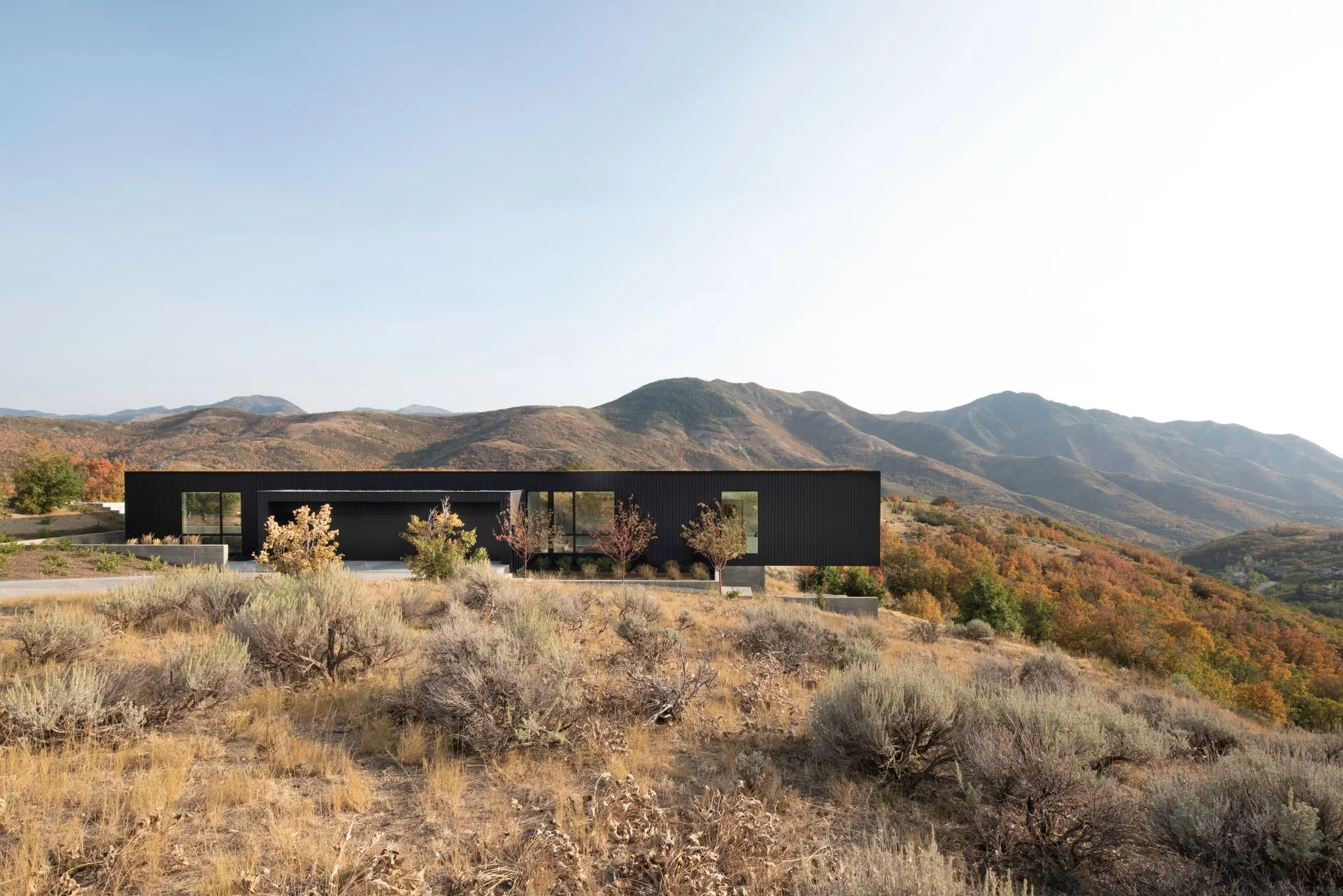
Wabi-sabi is an ancient, philosophical tenet of Japanese aesthetic culture that embraces the imperfect, incomplete and transient. It espouses simplicity and honesty in expression, those modest things in our world that convey beauty as they weather and age. Located in Emigration Canyon above Salt Lake City, Utah, this 4,000 square-foot home was designed for a young family and celebrates a unique elevated canyon view with a rare and direct connection to nature. The design was conceived as an expression of both static and dynamic elements, referencing the relationship among the mountain, vegetation and wildlife on the site.
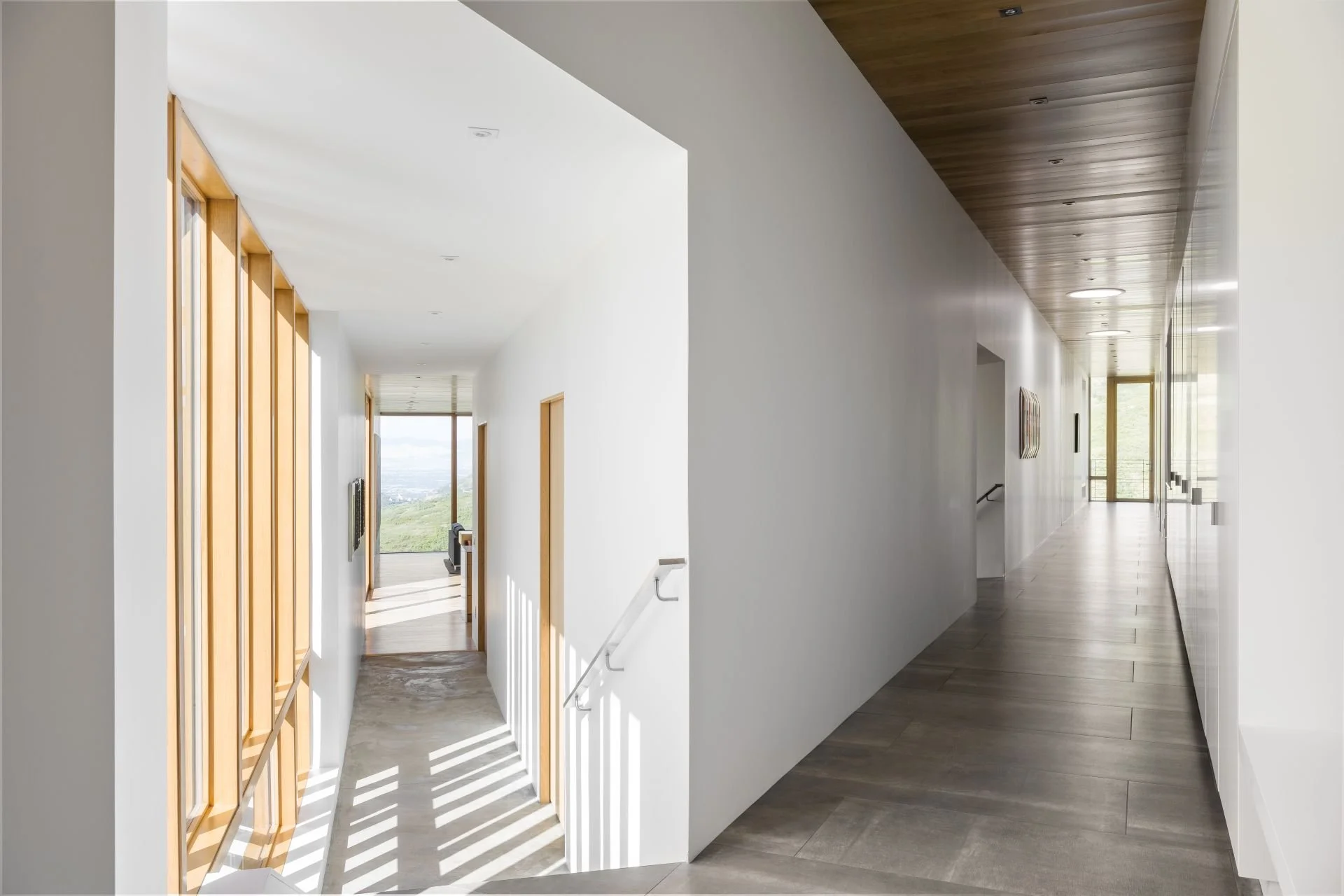
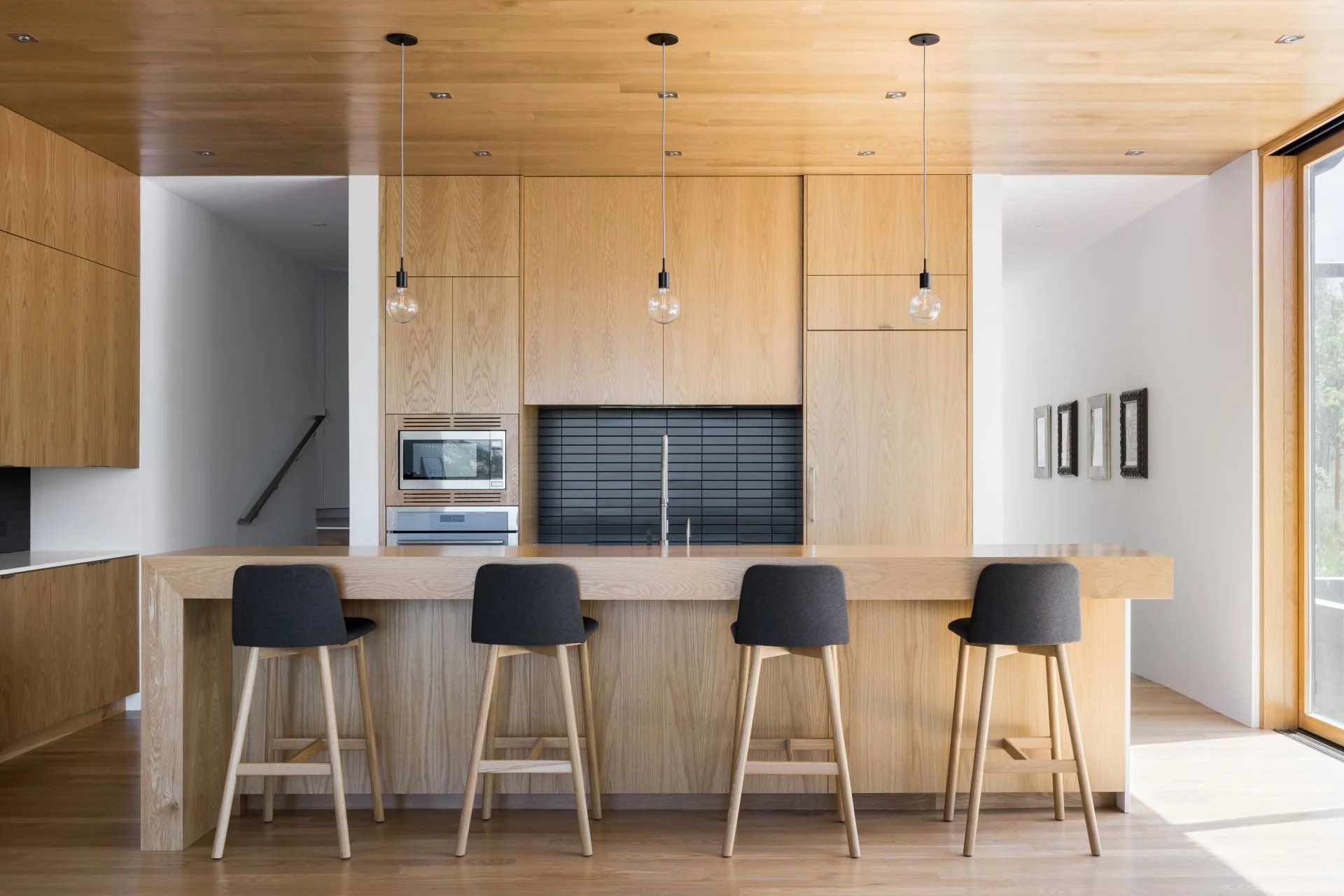
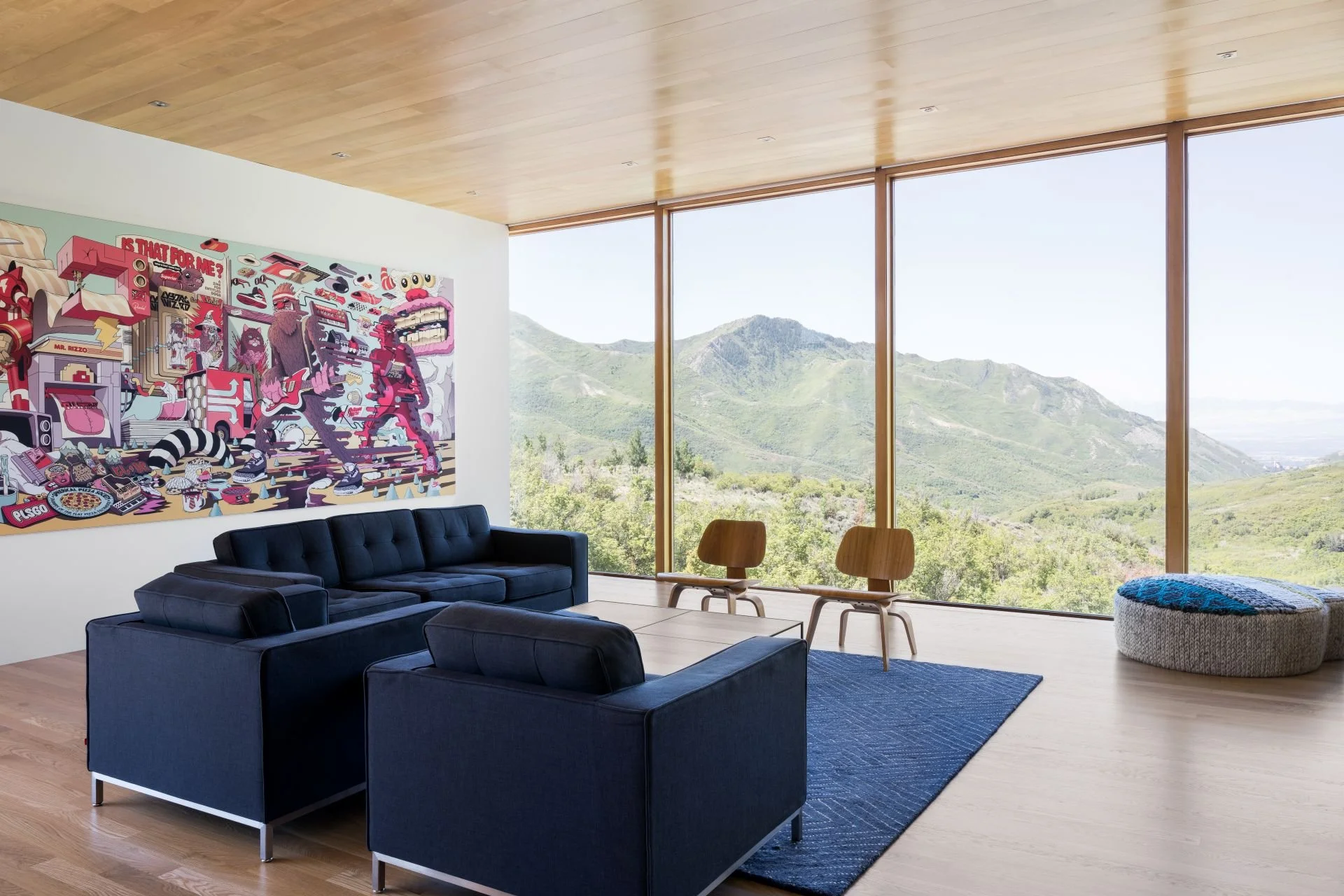
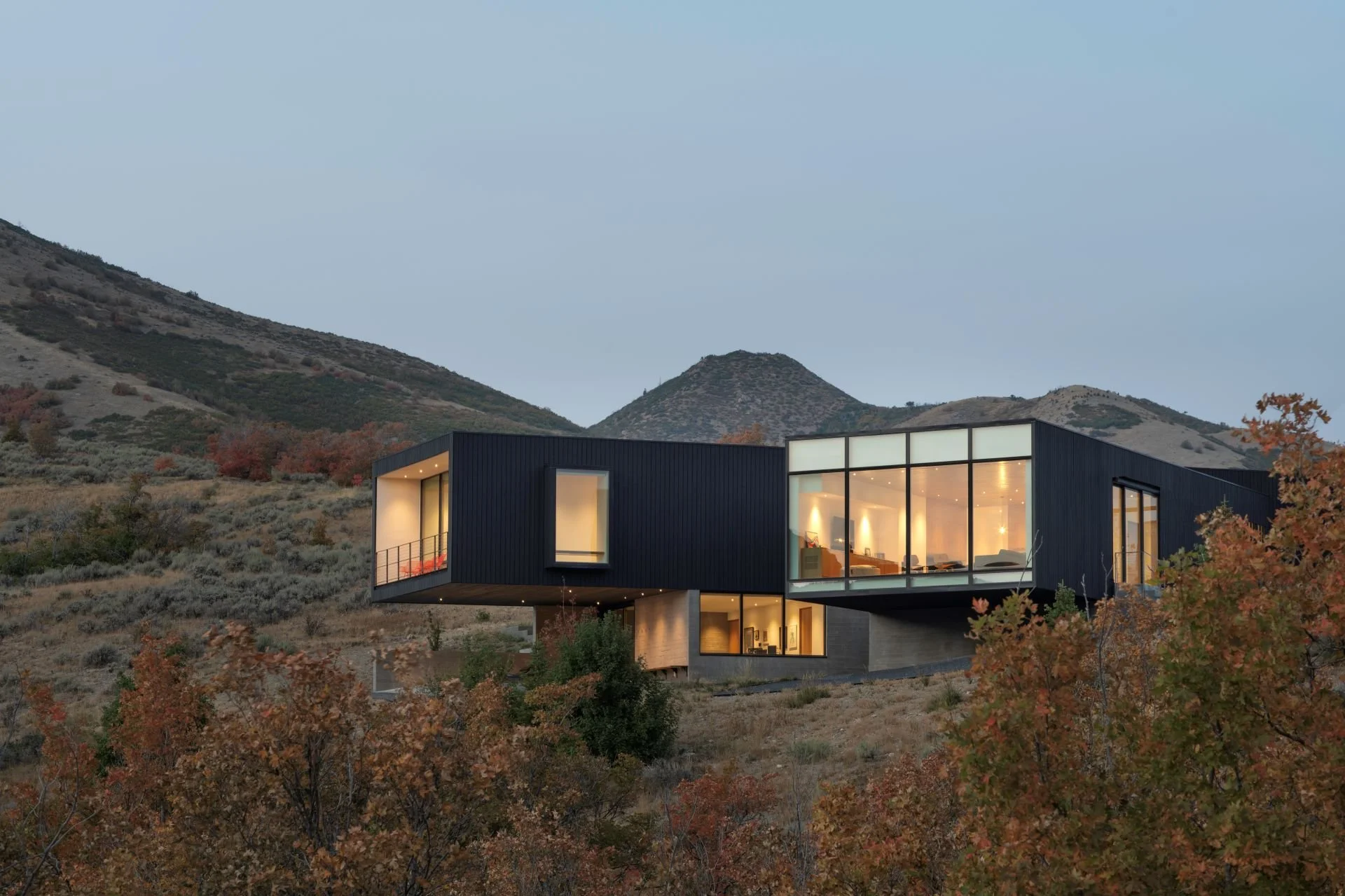
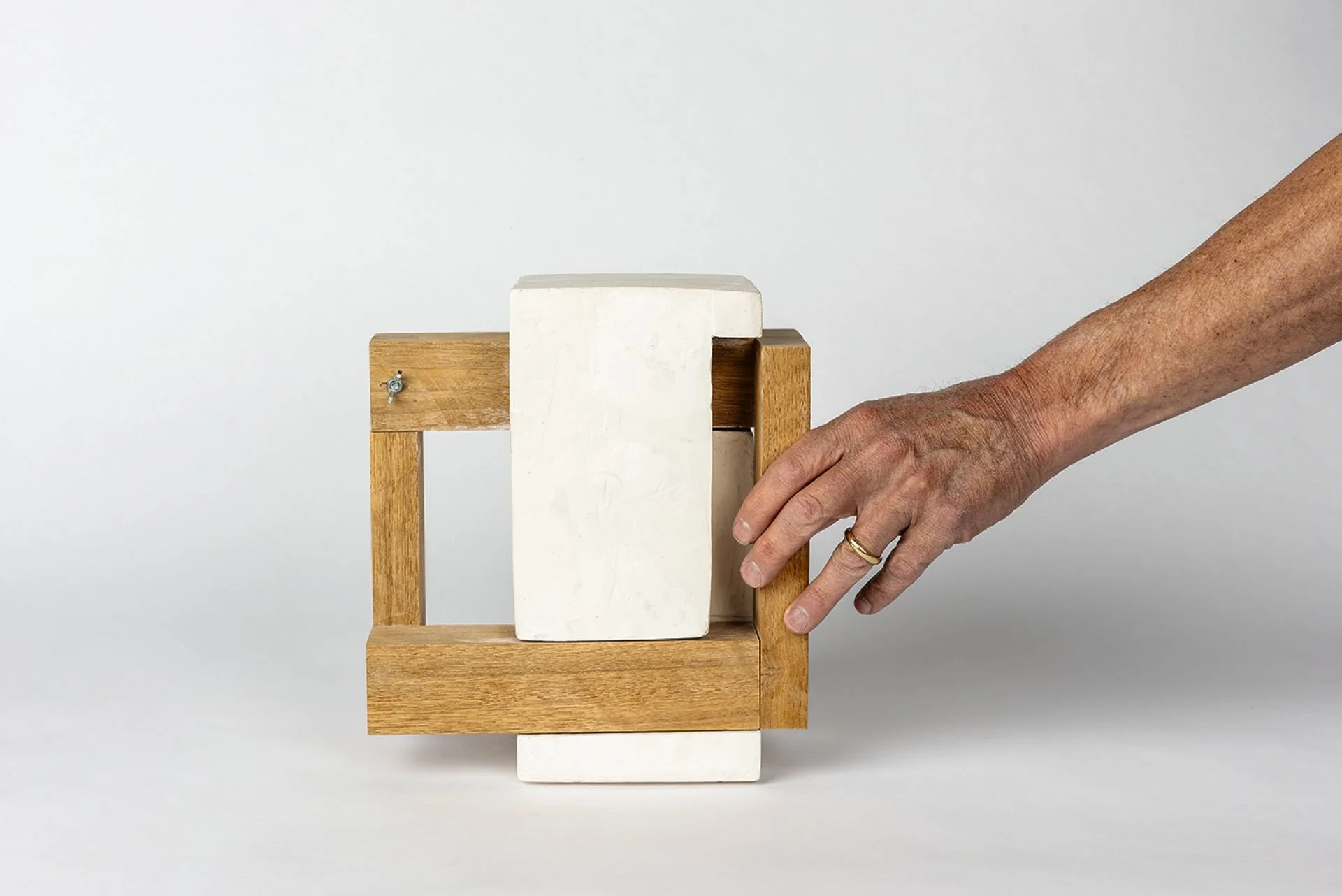
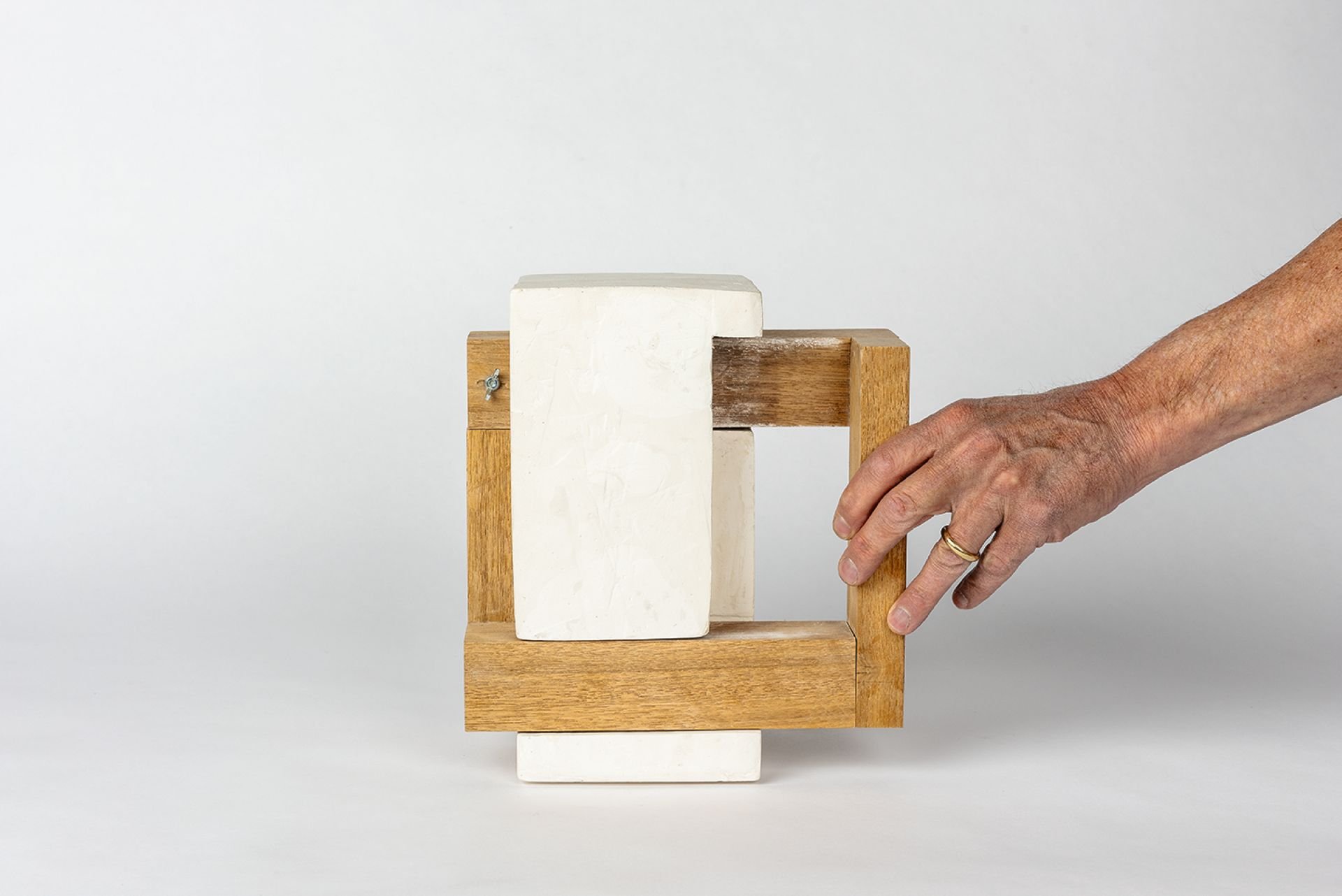
As they move through the home, the occupant is continually presented with a framed view of the mountain vista, an experience that enhances the indoor/outdoor relationship between inhabitant and dwelling. The home is separated into two cantilevered volumes that float above the landscape, and are finished with a blackened stain. The north volume is oriented along an east-west axis, to address the tranquil mountain views to the north, and includes the home’s private, domestic functions. The southwest volume includes the more public, active gathering spaces and is oriented along the canyon axis toward dramatic views of the natural and urban landscapes.
The grading for the home has been integrated with the site topography to encourage the existing storm run-off to remain as unchanged as possible, and low-flow fixtures were used throughout the home. These passive strategies were analyzed and implemented in the home’s design to minimize resource usage and further embed the client and structure in the local climate.
The geometric nature of the residence was inspired by bold, minimal forms that could be kept as low-profile as possible and become integrated with the wild landscape.
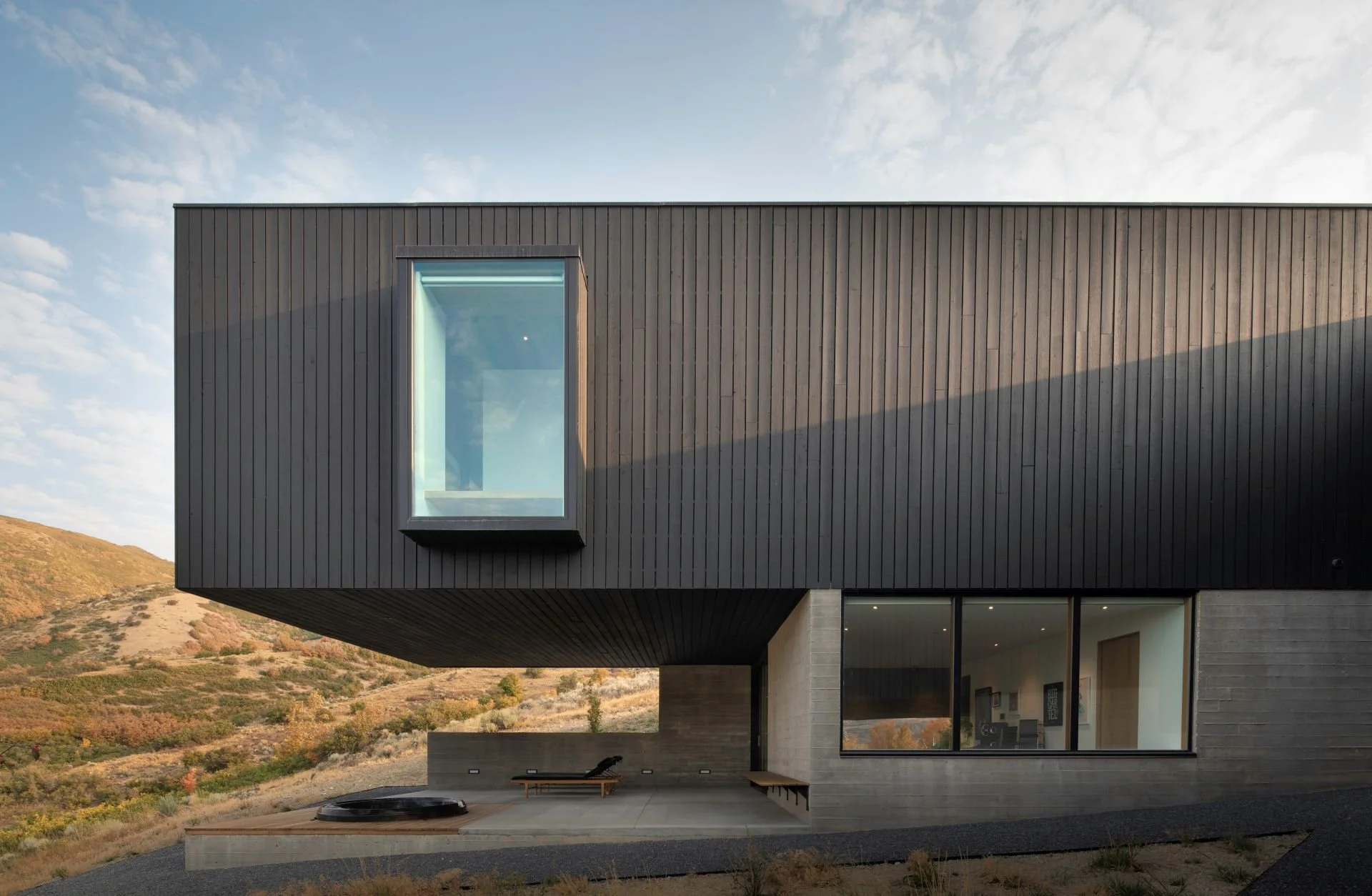
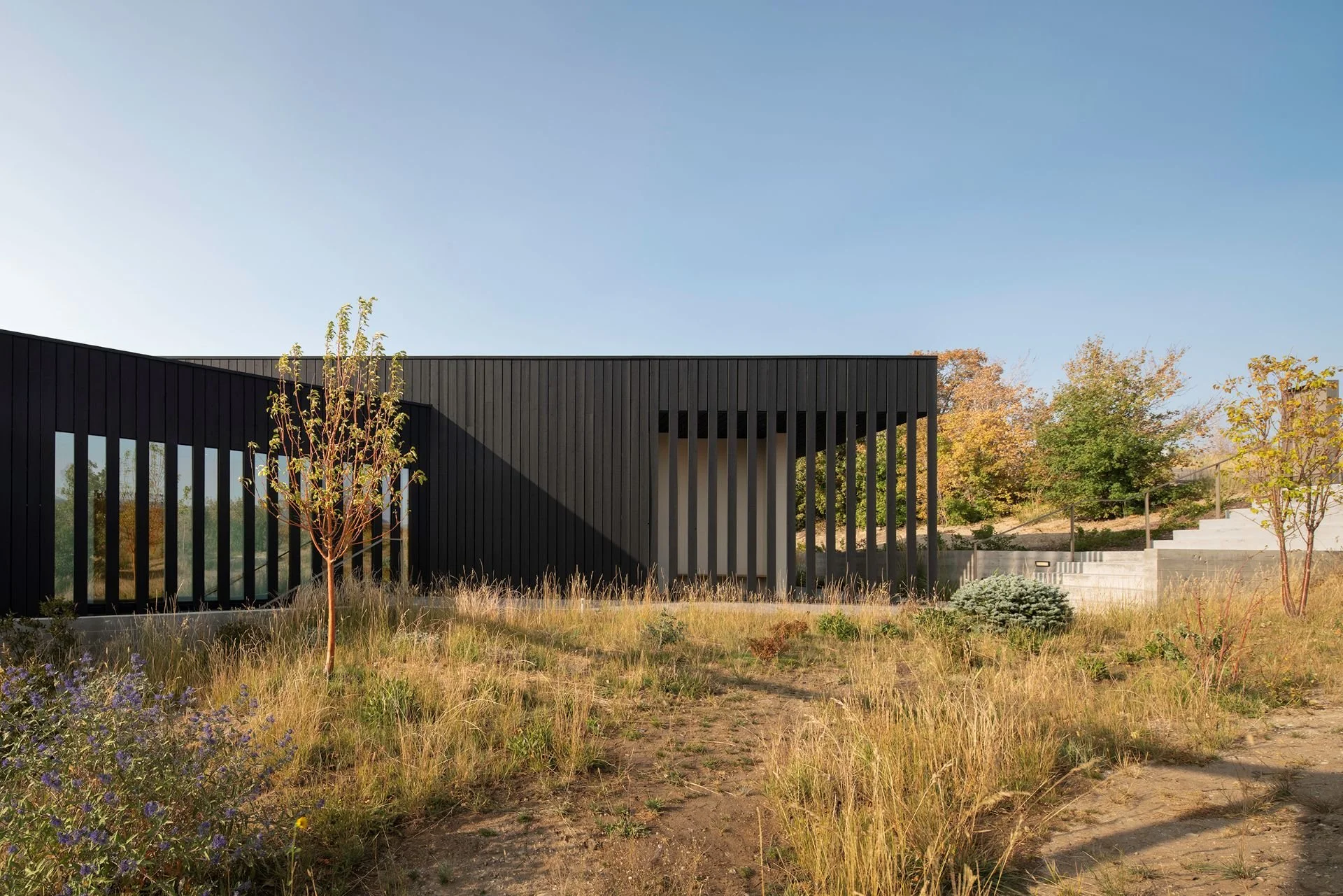
The exterior is clad with full-height, vertical cedar boards, which were sorted on-site. Construction waste was minimized through a pre-conceived modular, expressed in modest material selections. The overall height of the volumes was based on the standard length of FSC-certified Western Red Cedar Select, a strategy that required less cutting and waste of the material. In addition, the large-format tile finish was established in a stack bond pattern that extends the full width of the corridors and patio, therefore maximizing coverage. This considered approach to materials extends to the selection of interior elements, fixtures and furnishings.
Designed to achieve LEED Gold certification, this home includes a high-performance exterior envelope. The window system was designed with operable openings at key locations to take advantage of natural site ventilation, thereby reducing the need for mechanical heating/cooling and increasing indoor air quality. The vegetated roof is planted with local grasses, camouflaging the home in its context; and the site is augmented with native and drought-tolerant plants and trees.